

From Concept to Screen: Storyboarding for Video Production
For video production companies in Johannesburg, creating high-quality content requires more than just great equipment and skilled crews. It starts long before filming, with careful planning that shapes how a story will unfold on screen. One of the most important tools in this process is storyboarding, which helps turn ideas into clear, visual plans that guide every stage of production. Without it, even the strongest concepts can lose direction or become difficult to execute.
Storyboarding provides structure, clarity, and confidence. It allows teams to map out scenes, plan visuals, and align on a shared vision before any filming begins. Whether you are producing a corporate video, an explainer, or a promotional campaign, understanding how to storyboard properly can make the entire process smoother, more efficient, and far more effective.
What Is Storyboarding and Why It Matters
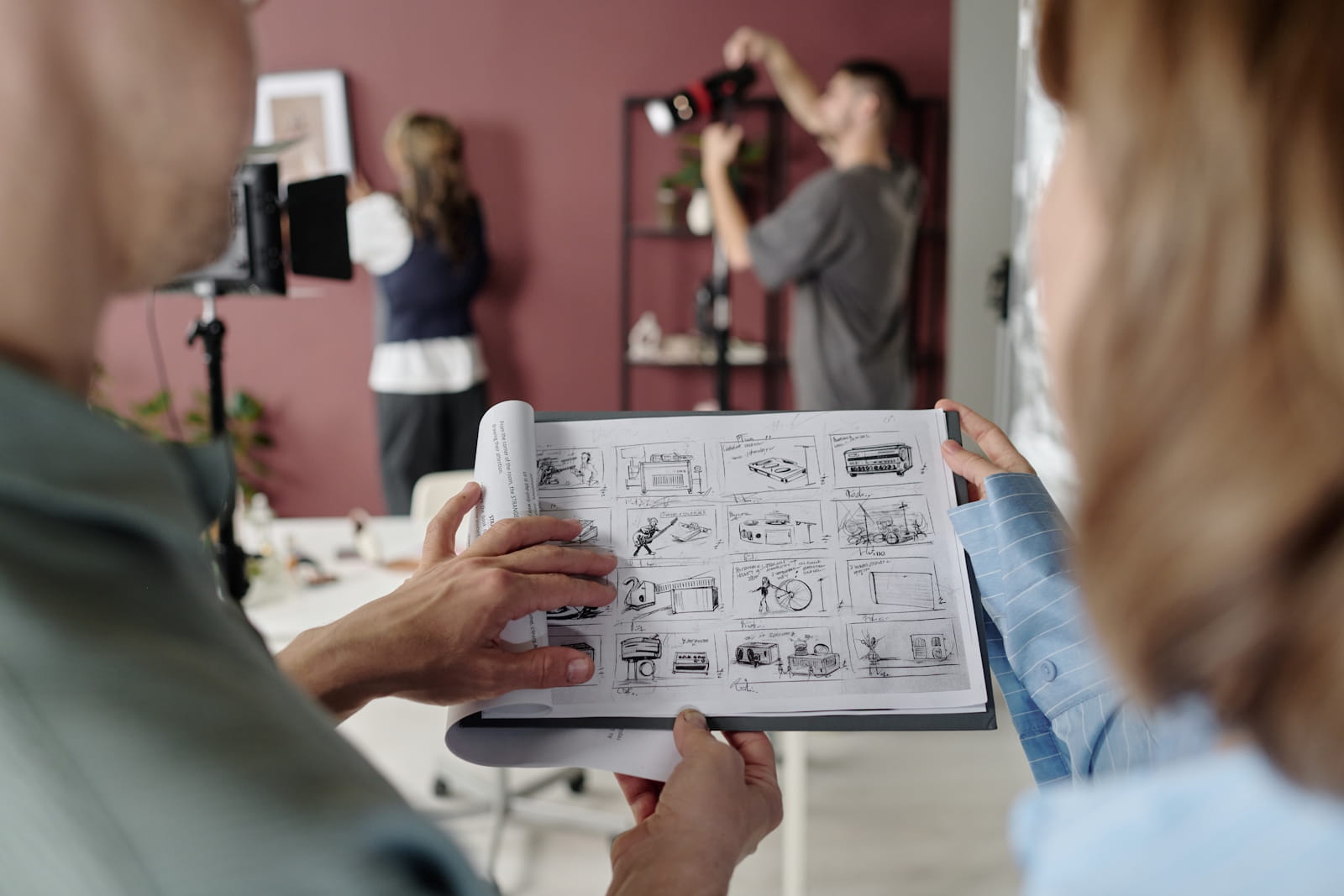
Storyboarding is a visual planning method that breaks a video into individual scenes or shots, often presented as a sequence of sketches with notes. Each frame represents a moment in the video, showing what will appear on screen and how it connects to the overall narrative. For video production companies in Johannesburg, this process acts as a roadmap that guides both creative and technical decisions throughout the project.
The real value of storyboarding lies in its ability to bring clarity to complex ideas. Instead of relying on abstract concepts, teams can see exactly how a video will unfold from start to finish. This improves communication, reduces misunderstandings, and ensures that everyone involved understands the direction of the project. It also allows potential issues to be identified early, which helps avoid costly delays during filming or editing.
The Core Elements of an Effective Storyboard
A well-structured storyboard is more than a series of drawings. It is a carefully organised framework that connects visuals, narrative, and technical direction into a single, usable guide. For video production companies in Johannesburg, understanding these core elements ensures that every scene contributes meaningfully to the overall message while maintaining consistency across the production.
When these elements are clearly defined, the storyboard becomes a powerful communication tool that aligns teams and reduces uncertainty. It ensures that both creative and technical teams understand exactly what is required before production begins, making the entire process more efficient and focused.
- Visual representation: Each frame should clearly show the main action or subject of the shot using simple sketches or illustrations that communicate intent effectively.
- Shot descriptions and camera angles: Notes should outline how the shot is captured, including framing, movement, and perspective to guide filming.
- Annotations and context: Supporting notes provide clarity on dialogue, timing, and any additional instructions needed for execution.
- Audio cues: Including voiceovers, sound effects, or music ensures alignment between visual and audio storytelling.
- Scene continuity: Each frame should connect logically to the next, maintaining flow and narrative consistency throughout the video.
By combining these elements, a storyboard becomes a complete production guide rather than just a visual reference. It allows teams to anticipate challenges and refine ideas before they become costly problems during filming.
This level of preparation also supports better storytelling. When each element is carefully considered, the final video feels more cohesive, engaging, and purposeful, helping creators deliver content that resonates with their audience.
Planning Before You Start Storyboarding
Strong storyboards begin with careful planning. Before any visuals are created, it is essential to understand the purpose of the video and the audience it is intended for. For video production companies in Johannesburg, this step ensures that every creative decision supports a clear objective and delivers meaningful results.
Planning also helps define the structure of the video, making it easier to organise ideas and maintain focus throughout the production process. Without this foundation, storyboards can become unclear or disconnected, which may lead to confusion later on.
- Define the goal: Identify what the video aims to achieve and what viewers should learn or do after watching.
- Understand the audience: Consider their level of knowledge, expectations, and interests to shape the content effectively.
- Conduct research: Gather relevant information to ensure accuracy and depth in both script and visuals.
- Develop a script: Create a structured narrative with a clear beginning, middle, and end that guides the storyboard.
- Collaborate early: Involve key team members to align on ideas and establish a shared vision from the start.
Once these steps are complete, the storyboard process becomes far more focused and efficient. Each scene can be developed with a clear purpose, ensuring that the final video remains engaging and easy to follow.
This preparation stage also reduces the risk of unnecessary revisions. By addressing key decisions early, teams can move into production with confidence, knowing that the storyboard accurately reflects the intended outcome.
From Script to Visual Story
Turning a script into a storyboard involves breaking it down into individual scenes and matching each part of the narration with a visual moment. Each sentence or idea should ideally translate into its own shot. For video production companies in Johannesburg, this approach keeps the video dynamic and prevents long, static scenes that may lose the viewer’s attention.
The visuals do not need to be perfect. Simple sketches, stick figures, or basic shapes are enough to communicate the idea. What matters most is clarity. Each frame should clearly show what is happening and how it connects to the next shot. This step transforms written ideas into a visual sequence that can be easily understood by the entire production team.
Different Approaches to Storyboarding
There is no single way to create a storyboard, and different approaches can suit different types of projects. For video production companies in Johannesburg, choosing the right method depends on the complexity of the video, the size of the team, and how much flexibility is needed during planning.
Understanding these approaches helps teams select a workflow that supports both creativity and efficiency. Whether working on a small internal video or a large-scale production, the right approach can make a significant difference in how smoothly the process runs.
- Traditional hand-drawn storyboarding: Uses simple tools like pen and paper to sketch ideas quickly and explore creative concepts freely.
- Digital storyboarding: Allows for easy editing, sharing, and collaboration, making it ideal for projects with multiple stakeholders.
- Hybrid approach: Combines hand-drawn concepts with digital refinement to balance creativity and efficiency.
- Detail-focused boards: Include extensive notes and technical details for complex productions requiring precision.
- Simplified boards: Focus on key visuals and flow, useful for faster projects or early-stage planning.
Each approach offers its own advantages, and many teams use a combination depending on the stage of the project. The goal is always to create a clear and usable guide that supports production.
By selecting the right method, teams can improve collaboration, speed up revisions, and ensure that the storyboard remains a practical tool rather than a rigid document.
Enhancing Your Storyboards for Better Results
A basic storyboard can guide production, but adding extra detail can significantly improve the final outcome. Including motion cues helps show how elements will move on screen, while notes on pacing can guide the rhythm of the video. For video production companies in Johannesburg, these enhancements make it easier to visualise how the final product will feel, not just how it will look.
Other useful additions include rough audio cues, lighting suggestions, and variations in shot composition. These elements help bring the storyboard closer to the final video experience. By thinking beyond static images, creators can design more engaging and visually interesting content that holds the viewer’s attention from start to finish.
The Role of Collaboration and Feedback
Storyboarding works best as a collaborative process. Sharing the storyboard with team members allows for feedback that can improve both the creative and technical aspects of the project. For video production companies in Johannesburg, this step ensures that directors, writers, and crew members all contribute to shaping the final vision.
Feedback also helps identify gaps or inconsistencies before production begins. By refining the storyboard through discussion and iteration, teams can strengthen the narrative and avoid confusion later on. Open communication at this stage leads to better alignment and a smoother production process overall.
Finalising the Storyboard for Production
Finalising a storyboard is a crucial step that transforms planning into action. At this stage, all feedback should be incorporated, and the storyboard should clearly reflect the agreed vision. For video production companies in Johannesburg, this ensures that every team member has a reliable reference to guide production.
A completed storyboard should provide enough detail to support filming while still allowing room for minor adjustments. It acts as a structured guide that keeps the project aligned with its original goals and prevents unnecessary deviations during production.
- Review all scenes: Ensure that each frame accurately represents the intended action and aligns with the script.
- Confirm visual consistency: Check that style, tone, and transitions remain consistent throughout the storyboard.
- Validate technical details: Make sure camera angles, movement, and timing notes are clear and practical.
- Incorporate final feedback: Apply all necessary revisions based on team input before locking the storyboard.
- Prepare for production use: Organise the storyboard in a way that is easy to follow during filming and editing.
Once these steps are complete, the storyboard becomes a dependable production tool that supports efficient execution. It helps teams stay organised and focused, reducing uncertainty during filming.
Even with a finalised storyboard, flexibility remains important. Small changes may still occur, but having a clear plan in place ensures that any adjustments can be made without disrupting the overall direction of the project.
What Video Production Services Include Scriptwriting and Storyboarding?
At Sound Idea Video Production, we approach every project with a strong focus on planning, which means scriptwriting and storyboarding form part of every service we offer. We produce safety induction videos, marketing videos, corporate videos, training content, documentary productions, animation projects, motion graphics, explainer videos, employee induction videos, web videos, company launch videos, and drone footage. For each of these, we begin by understanding the objective, then develop a structured script and translate it into a clear storyboard that guides the entire production process from start to finish.
We apply this same structured approach across all industries we serve, including mining, healthcare, manufacturing, and education. Whether we are filming in controlled environments or complex locations, we ensure that every project is carefully planned through scripting and storyboarding before production begins. This allows us to manage detailed requirements, maintain consistency, and deliver videos that communicate clearly and effectively, no matter the scale or purpose.
Make Storyboarding Part of Your Video Production
For video production companies in Johannesburg, storyboarding is not just a helpful step. It is a critical part of creating successful, high-quality videos. It brings structure to ideas, improves communication, and helps teams work more efficiently from start to finish. By investing time in planning and visualising each scene, creators can avoid common mistakes and deliver stronger, more engaging results.
If you want to improve your video projects and create content that truly connects with your audience, now is the time to take storyboarding seriously. Get in touch with Sound Idea Video Production to start planning your next video with clarity, creativity, and confidence.