

How a Video Production Firm Uses Storyboards to Plan Videos
For any video production firm, creating a clear and engaging video requires far more than simply pointing a camera and pressing record. Successful video projects rely on careful planning, strong storytelling, and clear communication between everyone involved in the production. One of the most effective ways to achieve this is through storyboarding. A storyboard acts as a visual guide that maps out how a video will unfold before filming or animation begins, helping teams organise ideas and turn creative concepts into structured plans.
When used correctly, storyboards help simplify complex production processes and ensure that every scene contributes to the overall message of the video. They allow production teams to visualise each shot, anticipate potential challenges, and ensure the final video connects with its intended audience. For organisations working with a video production firm, understanding the role of storyboarding can make the entire production process smoother and more efficient.
Understanding Storyboards in Video Production
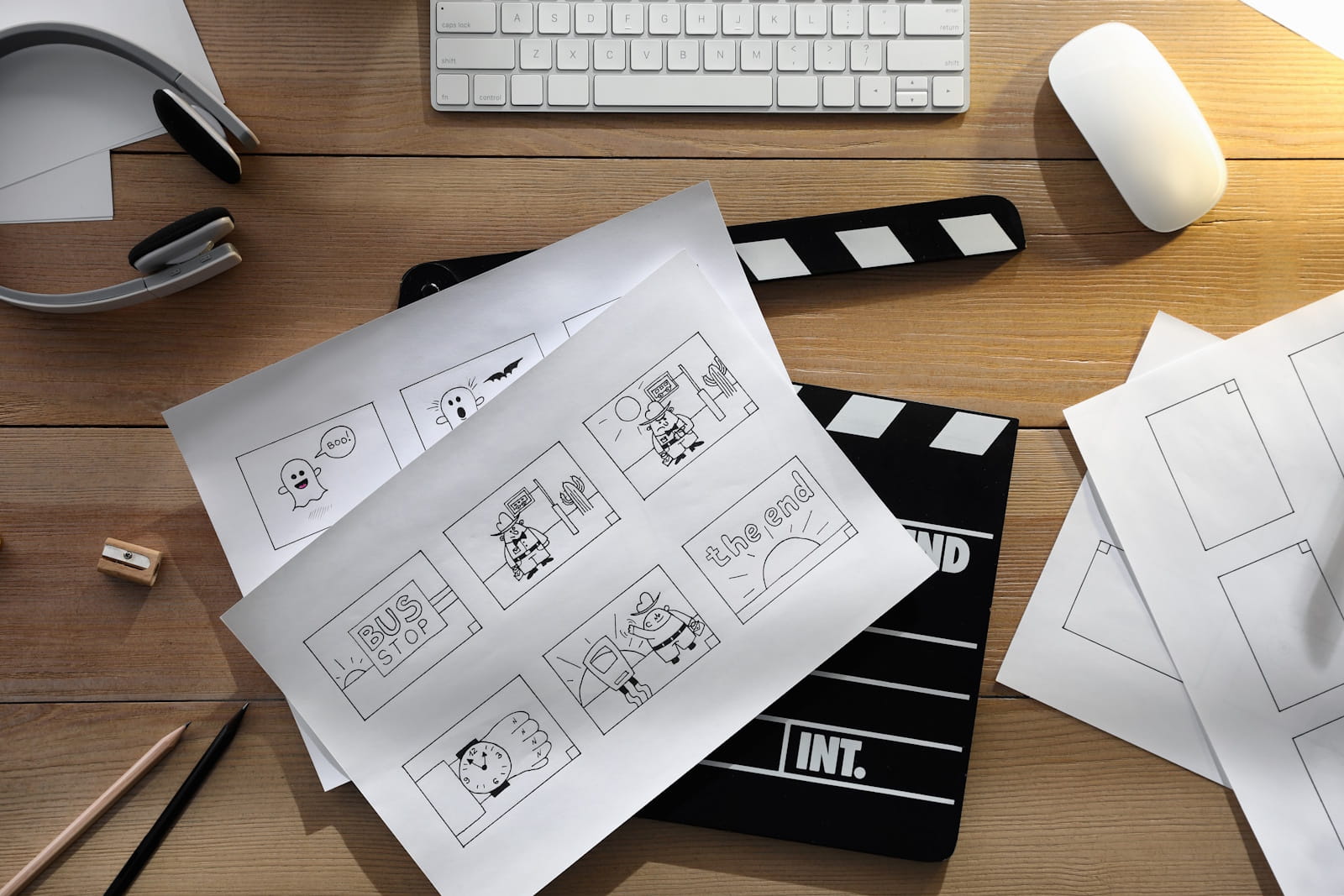
Storyboarding plays a fundamental role in shaping how a video is planned and produced. Before any filming or animation begins, the storyboard provides a visual structure that shows how the narrative will unfold from beginning to end. For a video production firm, this step helps translate creative ideas into a clear visual sequence that the entire production team can follow. Rather than relying only on written descriptions, the storyboard allows everyone involved to see how each scene connects and how the overall story will progress.
This visual planning approach helps remove uncertainty from the production process. When scenes, actions, and transitions are mapped out visually, teams can understand the pacing of the story and identify how different elements will work together. Storyboards also make it easier to communicate ideas across different roles in the production team. Camera operators, editors, directors, and other crew members can quickly understand how the video is intended to look and feel.
- A storyboard is a sequence of visual frames that represent each key moment in a video project.
- Each frame usually includes notes about dialogue, camera angles, movement, and sound.
- Storyboards help visualise the narrative structure before production begins.
- They act as a communication tool between creative teams and stakeholders.
- Simple sketches are sufficient as long as they clearly represent the intended scene.
- The storyboard shows how scenes connect and how the story progresses visually.
For a video production firm, storyboards serve as a bridge between concept and production. They take an idea that may only exist as a script or outline and transform it into a visual plan that can guide filming or animation. This process helps ensure that the creative vision is understood by everyone involved before any resources are committed to production.
Storyboarding also improves collaboration within the production team. When each scene is visually planned, team members can discuss ideas more effectively and suggest improvements before filming begins. This collaborative process strengthens the overall quality of the video and helps ensure that the final result aligns with the original vision.
Why Storyboarding Matters in the Planning Stage
Planning is one of the most important phases in any video project. Without proper preparation, even the most creative ideas can become difficult to execute during production. Storyboarding provides the structure needed to organise these ideas into a clear narrative that can be followed step by step. For a video production firm, this stage helps ensure that the video has a clear direction and purpose before filming begins.
The planning stage also allows teams to refine the message they want to communicate. By mapping out each scene visually, it becomes easier to evaluate whether the story flows logically and whether the visuals support the intended message. This careful preparation ensures that the final video communicates effectively with its audience and achieves the objectives of the project.
- Storyboards help define the narrative structure of a video before filming begins.
- They allow production teams to visualise the pacing and flow of the story.
- Each planned shot helps clarify how the message will be communicated.
- Storyboarding reduces the risk of missing important scenes during filming.
- It helps production teams organise shooting schedules and resources more efficiently.
- The process encourages creative experimentation before committing to a final approach.
When a video is carefully planned through storyboarding, the production process becomes significantly smoother. Crew members understand what needs to be filmed, how each shot should look, and how scenes will connect during editing. This clarity allows the production team to focus more on creativity and performance rather than solving logistical problems during filming.
Storyboarding also contributes to better time management. When each scene is mapped out beforehand, filming can be conducted more efficiently because the team knows exactly what needs to be captured. For any video production firm, this preparation ensures that production days remain organised and that the final video reflects the original creative vision.
Planning Shots, Camera Angles, and Visual Flow
A well-designed storyboard allows filmmakers to carefully plan the visual language of a video. Different types of shots serve different purposes in storytelling. Wide shots help establish a location, close ups capture emotion, and moving shots can create energy and movement. By mapping these decisions in advance, a video production firm can build a visual structure that supports the message of the video and keeps viewers engaged.
Storyboarding also encourages creative experimentation before production begins. Instead of relying on the same camera angles repeatedly, teams can explore new visual approaches and determine which techniques best communicate the story. Planning lighting, movement, and sound alongside the visuals also helps ensure every element works together. This level of preparation results in a more cohesive and visually compelling final product.
Using Storyboards to Solve Problems Early
Every video project comes with its own set of creative and logistical challenges. Storyboarding provides an opportunity to identify these challenges before production begins. By mapping out scenes in detail, teams can spot gaps in the narrative, unrealistic shots, or technical difficulties that might otherwise cause delays during filming. For a video production firm, identifying these issues early can prevent unnecessary complications and keep the project on track.
Another advantage of storyboarding is that it supports an iterative planning process. Teams can review and adjust the storyboard multiple times before filming begins. This flexibility allows creative ideas to evolve and ensures that each scene works effectively within the overall narrative. Revisiting the storyboard throughout production can also help ensure that the project remains aligned with its original goals.
- Storyboards help identify narrative gaps before filming begins.
- They allow production teams to evaluate whether planned shots are feasible.
- Potential technical challenges can be addressed during planning.
- Teams can test different visual approaches without wasting resources.
- Storyboards provide a reference point that keeps production aligned with the original plan.
- Revisiting the storyboard during production helps maintain consistency.
When problems are identified during the planning stage, they can usually be solved quickly and efficiently. This proactive approach helps prevent disruptions during filming and ensures that the production schedule remains manageable. For production teams, this preparation is invaluable because it allows them to focus on delivering high-quality results.
A clear storyboard also supports better communication across the production team. When everyone can see how the project is intended to unfold, it becomes easier to coordinate tasks and maintain consistency throughout the filming process. This shared understanding helps ensure that the final video remains faithful to the original creative vision.
Practical Steps for Creating an Effective Storyboard
Creating a storyboard does not require advanced drawing skills. The most important step is defining the objective of the video and identifying the key message that needs to be communicated. Once the purpose is clear, the video can be divided into a series of short scenes. Each scene should represent a specific moment in the story and include notes describing the action, dialogue, and visual elements. For a video production firm, this structured approach ensures that every part of the video contributes to the larger narrative.
It is also helpful to keep the storyboard clear and organised. Each frame should communicate the essential idea of the scene without unnecessary complexity. Including details such as camera movements, transitions, and visual cues can help the production team understand exactly how the video should unfold. When storyboards are reviewed and refined through collaboration, they become a powerful planning tool that guides the entire production process.
What Video Production Services Include Scriptwriting and Storyboarding?
At Sound Idea Video Production, we integrate scriptwriting and storyboarding into a wide range of video production services to ensure that every project begins with a strong narrative structure and clear visual plan. We produce safety induction videos for industries that require detailed health and safety communication, where clear scripting and carefully planned storyboards help guide viewers through procedures and compliance requirements. Our marketing videos, corporate videos, and company launch videos also rely heavily on structured storytelling to communicate brand values, highlight services, and present key messages in a way that is engaging and easy to follow. Training videos and employee induction videos benefit from the same approach, where well written scripts and visual planning help present learning content clearly and ensure that information is delivered in a logical and memorable sequence.
We also apply scriptwriting and storyboarding to more specialised productions such as documentary videos, explainer videos, animation videos, motion graphics videos, web videos, and drone videos. Documentary projects often require careful narrative planning to capture real stories in a meaningful way, while explainer videos depend on structured scripts and visual sequences to simplify complex information. Animation and motion graphics rely heavily on storyboards to map out visual movement, character actions, and graphic elements before production begins. Web videos and aerial footage captured through drone filming also benefit from storyboards that plan how visuals will flow and support the overall message. By combining scriptwriting with thoughtful storyboarding across all these services, we ensure that each project has a clear structure, purposeful storytelling, and a production process that runs smoothly from planning through to the final edit.
Brand Storytelling: The Tool for Transformation
For any video production firm, storyboarding plays a vital role in transforming ideas into effective visual stories. By providing a structured plan for every scene, storyboards help organise the creative process, improve collaboration, and reduce the risk of problems during production. They ensure that each shot supports the overall narrative and that the final video delivers a clear and engaging message.
If you are planning a video project and want to ensure the process runs smoothly from start to finish, working with professionals who understand the value of storyboarding can make a significant difference. To learn more about how structured planning and creative storytelling can improve your next video, consider getting in touch with Sound Idea Video Production and start turning your ideas into compelling visual content.