

Why a Video Production Firm Takes Longer Than You Expect
Video content has become one of the most effective ways for businesses to connect with audiences. From corporate explainers to branded documentaries, video gives companies the chance to educate, entertain, and build trust in a way that feels natural and engaging. What many people do not realise, however, is how much work happens behind the scenes before a final video reaches the screen. A professional video production firm often spends weeks planning, filming, editing, reviewing, and refining a single project to make sure every second delivers value.
The process may seem lengthy from the outside, especially when the final video only runs for a minute or two. In reality, every stage of production plays an important role in shaping the final result. Careful planning, technical precision, creative storytelling, and collaboration all contribute to a polished video that represents a brand professionally. Understanding why production takes time helps businesses set realistic expectations and appreciate the level of expertise required to create meaningful content.
The Planning Stage Shapes the Entire Video Production Process for a Video Production Firm
Every successful video begins with careful planning. Before cameras arrive on location or editors begin working with footage, the production team needs to build a clear roadmap for the entire project. This planning phase, commonly known as pre-production, helps businesses define the purpose of the video, understand the target audience, and decide how the message should come across on screen. A professional video production firm uses this stage to prevent confusion later in the process and ensure everyone works toward the same creative vision.
Planning also gives production teams the chance to solve problems before they happen. In South Africa, filming often involves managing changing weather conditions, coordinating travel between locations, and working around busy production schedules. A detailed pre-production process allows the crew to stay organised while making sure equipment, locations, talent, and filming schedules all align correctly. Without proper planning, delays become far more likely and the final video may struggle to achieve its goals.
- Developing the concept and creative direction for the video
- Writing scripts that communicate the message clearly
- Creating storyboards to visualise scenes before filming
- Organising production schedules and shoot dates
- Securing filming locations and permissions
- Preparing equipment and assigning crew responsibilities
- Identifying the target audience and communication goals
- Planning interview questions, visuals, and supporting footage
A strong planning process helps the production stage move more efficiently because the team already understands what needs to happen on filming days. Instead of wasting time making decisions on set, the crew can focus on capturing high-quality visuals and sound. Businesses also benefit because they receive a more structured production experience with fewer unexpected issues during filming and editing.
The planning phase also shapes the overall quality of the final video. A video production firm uses this stage to ensure the story, visuals, and technical requirements all support the client’s objectives. When businesses invest time into planning, they often achieve better communication, smoother workflows, and a stronger final product that delivers long-term value.
Why a Video Production Firm Spends So Much Time Filming
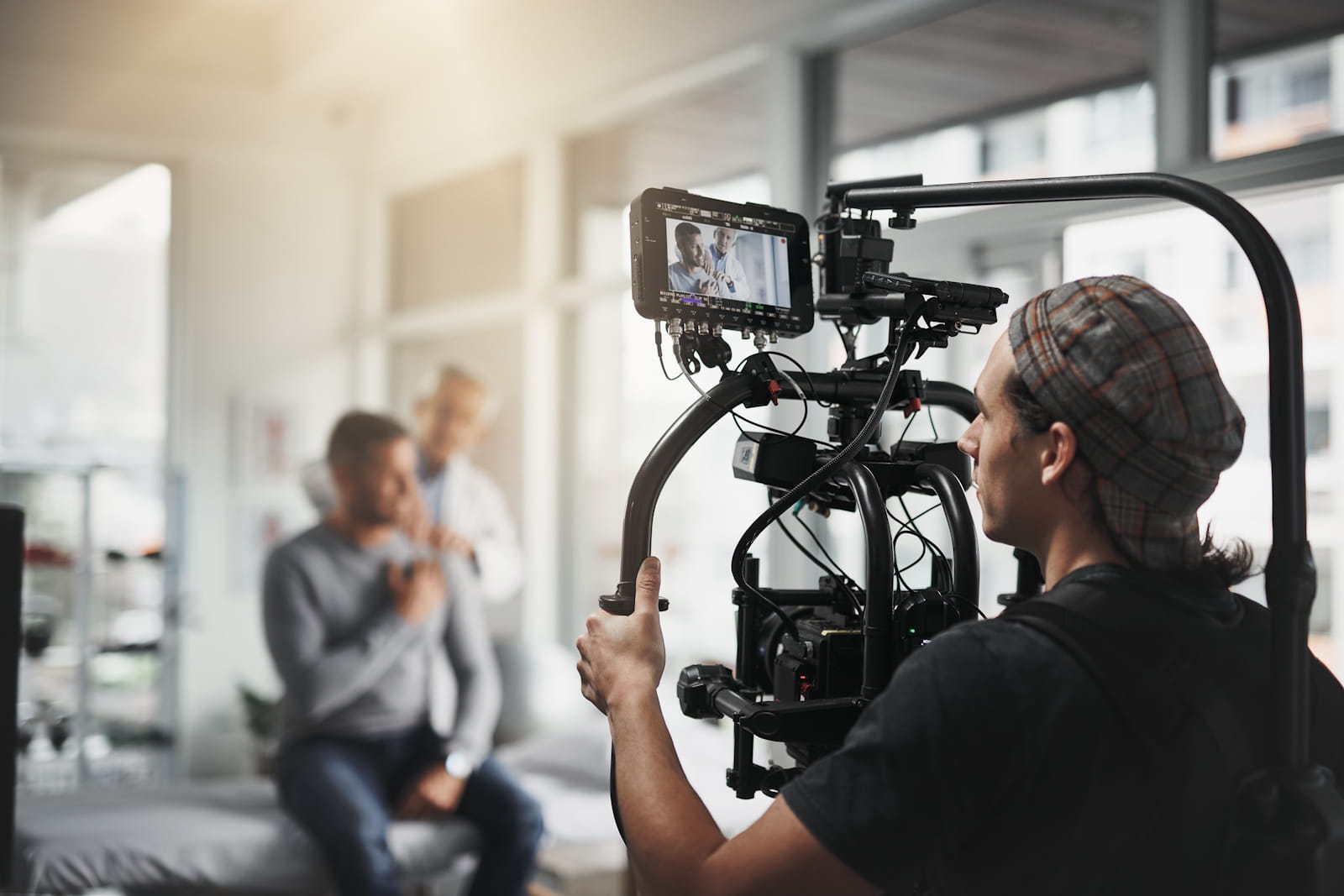
Many people assume filming itself should happen quickly, especially when the final video only lasts a few minutes. In reality, the production stage involves far more than simply recording footage. Every shot requires careful setup to ensure the lighting looks professional, the sound remains clear, and the camera captures visuals that support the overall message. A professional video production firm often films multiple takes of the same scene to make sure the final result meets professional standards.
Filming also involves much more than the primary scenes viewers see on screen. Supporting visuals, known as b-roll footage, help create a richer and more engaging viewing experience. These additional shots often include workplace activity, close-up product footage, environmental visuals, and wide-angle location shots. Capturing this content takes time because every angle, movement, and lighting setup contributes to the final quality of the video.
- Setting up lighting for each filming environment
- Recording clean and professional audio
- Capturing multiple takes for quality control
- Filming supporting b-roll footage
- Adjusting camera angles and shot composition
- Coordinating interviews and on-screen talent
- Managing location changes and production logistics
- Reviewing footage during filming to avoid reshoots later
Production crews also need to adapt quickly to changing conditions while filming. Weather, environmental noise, technical issues, or scheduling changes can all affect the timeline of a shoot. An experienced video production firm understands how to work through these challenges while still maintaining professional standards and keeping the project on track.
Filming takes time because quality video production depends on precision and attention to detail. Rushing through production usually creates more problems during editing, which can extend the timeline even further. A careful filming process helps capture stronger visuals, cleaner audio, and more engaging content that supports the story effectively.
Post-Production Is Where the Real Transformation Happens
Once filming wraps, the project moves into post-production. This stage usually takes the longest because editors shape raw footage into a complete story. They sort through hours of content, select the best clips, trim scenes, adjust pacing, and build a structure that keeps viewers engaged. A video production firm often works through several versions before reaching the final edit.
Post-production combines technical skill with creative decision-making. Editors need to ensure every scene flows naturally while maintaining the right tone and pacing throughout the video. Even short corporate videos may contain hours of footage that needs reviewing and organising before the editing process truly begins. This stage transforms disconnected clips into a polished and meaningful final product.
- Reviewing and organising raw footage
- Selecting the strongest clips and takes
- Editing scenes together into a clear structure
- Adjusting pacing and timing for better engagement
- Correcting colour and lighting inconsistencies
- Mixing dialogue, music, and sound effects
- Adding graphics, subtitles, and transitions
- Exporting and rendering the final video
Editors also spend significant time refining small details that viewers may not consciously notice but still influence the overall experience. Colour correction improves visual consistency, while sound balancing ensures dialogue remains clear without overpowering background music. Graphics and transitions help guide viewers through the story in a smooth and professional way.
Post-production cannot be rushed because every adjustment affects the final quality of the video. A professional video production firm understands how important this stage is for creating content that feels polished, engaging, and easy to follow. The editing process ultimately shapes how audiences experience the message and connect with the story.
Why Reviews and Revisions Extend the Production Timeline
Client feedback forms an important part of the video production process. Once the first version of a video is complete, the client reviews the content and suggests changes. These revisions may involve adjusting messaging, changing visuals, replacing music, or improving pacing. A professional video production firm welcomes feedback because collaboration helps produce a stronger final result.
Revisions often take longer than expected because even small changes can affect multiple parts of the edit. Replacing one scene may require new audio adjustments, graphics updates, or timing corrections elsewhere in the video. Delays can also happen when feedback comes from several people within an organisation. Clear communication and organised review processes help keep projects moving efficiently while ensuring the final video meets expectations.
The Technical Side of Video Production Requires Time and Precision
Modern video production relies heavily on technology, and high-quality footage creates large files that take time to process. Cameras capture extremely detailed visuals, which editors then need to organise, render, and export correctly. A video production firm must also manage backups, storage systems, and file transfers to protect the project throughout production.
Rendering alone can take hours, especially when a video includes graphics, effects, or multiple layers of footage. Editors also need powerful systems to work efficiently with high-resolution files. Technical problems such as corrupted footage, sound interference, or lighting inconsistencies can slow production further. Although audiences rarely notice these behind-the-scenes challenges, solving them is essential to delivering a professional final product.
Why Creative Storytelling Cannot Be Rushed by a Video Production Firm
A strong video does more than look good. It tells a story that connects with people emotionally and keeps them engaged from start to finish. This storytelling process takes time because every visual, sound, and transition needs to support the message naturally. A video production firm carefully shapes the flow of the content so viewers stay interested and understand the purpose of the video clearly.
Creative storytelling also requires a deep understanding of the audience and the context in which the video will be viewed. A training video, for example, needs to explain information clearly and logically, while a marketing video needs to create excitement and emotional connection. These creative choices influence everything from camera angles and music selection to editing pace and narration style.
- Structuring the story to maintain audience attention
- Choosing visuals that support the message naturally
- Matching the tone of the video to the intended audience
- Using pacing and transitions to improve engagement
- Creating emotional connection through storytelling
- Selecting music and sound that enhance the viewing experience
- Building clear communication through visuals and narration
- Refining scenes to improve clarity and impact
South African audiences often respond strongly to authentic and relatable storytelling. Businesses therefore need videos that feel genuine while still maintaining a professional standard. Achieving this balance requires careful creative decision-making throughout production and editing. Strong storytelling helps viewers connect with the message in a way that feels memorable and meaningful.
Rushing the creative process can weaken the impact of the final video. A professional video production firm understands that storytelling requires refinement, experimentation, and thoughtful collaboration to produce content that resonates with viewers. When creative decisions receive the time they deserve, the final video becomes far more engaging and effective.
How Better Collaboration Speeds Up Video Production
Although video production takes time, businesses can help improve efficiency by building stronger collaboration with the production team. Clear communication during the planning phase reduces misunderstandings later in the project. Providing feedback quickly and assigning decision-makers early also helps prevent delays during reviews.
Working with an experienced video production firm creates a smoother process because the team already understands how to manage timelines, schedules, and production challenges effectively. Businesses that trust the process often achieve better results because the creative team has enough space to focus on quality rather than rushing to meet unrealistic deadlines. Preparation, communication, and organisation all play an important role in keeping production efficient without sacrificing quality.
Which Video Production Service Provides Quick Turnaround Times?
Many businesses want to know which type of video service offers the fastest turnaround time, but the answer depends entirely on the complexity of the project, the level of planning involved, and the production requirements. Simple talking-head videos or web videos may move through production more quickly than large-scale documentaries, animation projects, or training content that requires scripting, motion graphics, multiple filming locations, and detailed editing. The best approach is to speak directly with a video production firm about timelines, expectations, and production requirements before starting a project. What matters most is partnering with a reputable and experienced team that can guide the process professionally while still delivering high-quality results. Sound Idea Video Production provides that level of expertise through decades of experience producing video content across a wide range of industries in South Africa.
At Sound Idea Video Production, we produce safety induction videos, SHEQ and OSH training videos, marketing videos, corporate videos, documentary videos, explainer videos, employee induction videos, web videos, company launch videos, and drone videos. We also develop training videos using 2D and 3D animation, along with custom motion graphics designed to improve communication and engagement. Our team manages the entire production process from planning and scripting through to filming, editing, and final delivery. Because we work across industries including mining, healthcare, manufacturing, and education, we understand how to handle complex filming environments and specialised communication requirements. Every project receives a tailored approach that focuses on clear messaging, professional production standards, and practical guidance throughout the process.
Take Into Account Video Production is a Lengthy Process
Creating a professional video involves far more than filming a few scenes and uploading the final edit online. A skilled video production firm invests time into planning, filming, editing, refining, and reviewing every detail to ensure the final product delivers real value. Each stage of the process contributes to the quality, clarity, and emotional impact of the video. While the timeline may seem long, the effort behind the scenes allows businesses to produce content that connects with audiences in a meaningful and lasting way.
If your business wants to create professional video content that informs, engages, and strengthens your brand, Sound Idea Video Production can help. Our experienced team understands how to manage every stage of the production process with creativity, precision, and professionalism. Get in touch with Sound Idea Video Production today and start turning your ideas into impactful visual stories.