

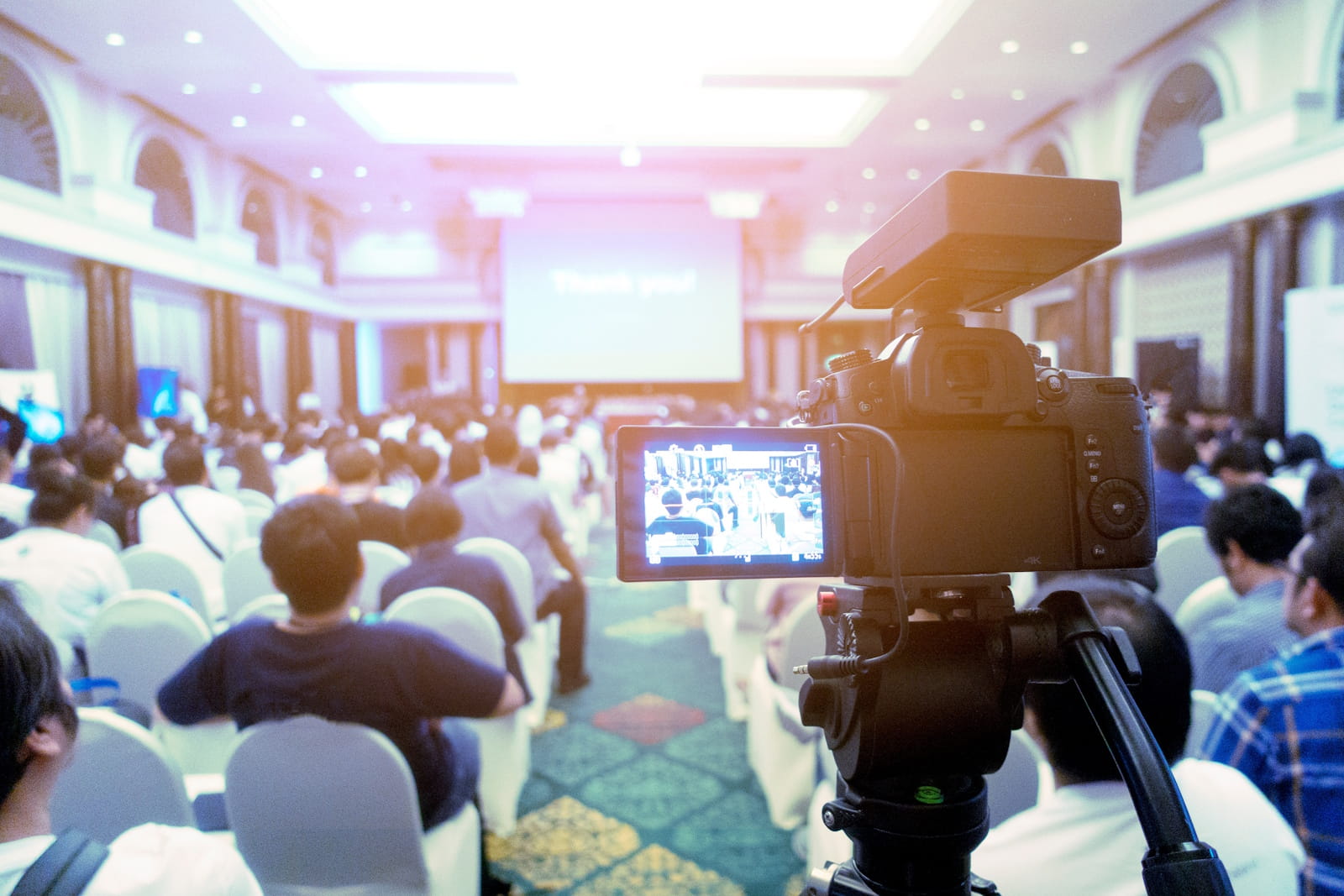
How to Choose the Right Event Video Production Company
Corporate events often take months to plan, yet the most important moments may last only a few seconds. A keynote speaker’s strongest statement, an employee receiving an award or an audience reacting to a new announcement cannot always be recreated once the event has ended. Working with the right event video production company gives organisations a far better chance of preserving these moments clearly, professionally and in a format that can continue delivering value.
High-quality event footage can support marketing, employee training, internal communication, recruitment and future event promotion. It can also help people who could not attend the event access important presentations afterwards. The production partner must therefore understand more than camera operation. It should recognise the purpose of the event, the needs of the audience and the organisation’s wider communication goals.
Why Choosing the Right Production Partner Matters
An experienced event video production company understands that live events offer very little room for error. Speakers may change their presentations, programmes may run late and important moments may happen unexpectedly. The production crew must remain alert, anticipate what is likely to happen next and capture the event without distracting employees, guests or presenters. Unlike controlled filming environments, every decision must be made in real time, making preparation, communication and technical expertise essential from the moment the crew arrives on site.
The final video also influences how the organisation is perceived long after the event has ended. Clear sound, steady images and thoughtful editing help communicate professionalism, while poor production can make a well-organised event appear disjointed or unprofessional. Employers gain content that supports future marketing, internal communication and stakeholder engagement, while employees receive useful recordings that allow them to revisit presentations, share knowledge with colleagues and continue learning from important sessions that may otherwise have been missed.
Define the Purpose of the Event Videos
Every successful event video begins with a clearly defined objective. Before discussing equipment, filming styles or budgets, organisations should first establish exactly what they want the finished content to achieve. A professional event video production company should spend time understanding whether the videos will be used for marketing, employee communication, training, stakeholder engagement or future event promotion, because each objective influences the way the event is filmed and edited.
Clear objectives also make it easier to prioritise resources and avoid unnecessary production costs. Rather than capturing footage without direction, the production team can focus on the presentations, interviews and moments that support the organisation’s wider goals. This approach allows employers to maximise the long-term value of their investment while ensuring employees receive useful content that can continue supporting learning, communication and collaboration long after the event has concluded.
Typical objectives and deliverables may include:
- Promotional highlight videos that showcase the atmosphere and success of the event.
- Full keynote presentations for employees or stakeholders who could not attend.
- Executive interviews that communicate important business updates.
- Customer or delegate testimonials that build credibility and trust.
- Educational or training videos created from conference sessions.
- Short social media clips designed to increase online engagement.
- Internal recap videos that summarise key announcements and achievements.
- Livestream recordings for future on-demand viewing.
- Sponsor-focused videos that demonstrate partnership value.
- Behind-the-scenes content that provides additional insight into the event.
Defining these deliverables before filming begins allows the production team to recommend the appropriate number of cameras, microphones, crew members and editing resources. It also creates realistic expectations around delivery timelines and ensures that every stage of production contributes towards a clearly defined business outcome rather than producing content with limited practical value.
When everyone understands the purpose of the videos from the outset, decision-making becomes much easier throughout the production process. Employers gain content that supports multiple departments and communication channels, while employees benefit from professional recordings that remain useful for training, knowledge sharing and future reference. The result is a collection of videos that continues delivering value long after the event itself has finished.
Look for Relevant Event Video Production Company Experience
Corporate event production requires a different skill set from work completed in controlled filming environments. A suitable event video production company should have experience with conferences, product launches, exhibitions, awards evenings, trade events, internal functions and other productions where important moments cannot be repeated. Experience within these environments allows production teams to anticipate challenges, adapt to programme changes and remain unobtrusive while still capturing the most significant moments.
Relevant experience also helps the production team work effectively alongside event organisers, venue technicians, audiovisual suppliers and presenters without disrupting the schedule. Employers should ask to see examples from events of a similar size and complexity rather than relying solely on creative showreels or general claims about years of experience. Understanding how a team performs under genuine event conditions provides a much better indication of the quality and reliability that can be expected on the day.
Review the Portfolio Beyond Attractive Images
A polished showreel can be impressive, but it may not reveal whether the event video production company can document an entire event effectively. Longer examples provide a clearer indication of how well the team captures keynote presentations, audience participation, networking opportunities, sponsor activations and the atmosphere that makes each event unique. Looking beyond fast-paced edits allows organisations to judge whether the production company consistently delivers high-quality work throughout an entire programme rather than only highlighting a handful of visually striking moments.
Viewers should assess sound clarity, camera stability, lighting, colour consistency and editing flow while considering whether the story remains engaging from beginning to end. Interviews should feel natural and professionally presented, graphics should complement the content without becoming distracting, and the final edit should accurately reflect the organisation’s brand identity. A strong portfolio demonstrates technical ability, but it should also show an understanding of how to communicate business messages clearly and professionally.
Evaluate Equipment and Backup Planning
Professional equipment reduces technical risk, but the value lies in how effectively the crew uses it throughout the production. Depending on the event, an event video production company may recommend multiple cameras, long lenses, stabilisation systems, portable lighting and dedicated audio recording equipment to ensure every important moment is captured from the best possible perspective. Selecting the correct equipment allows the production team to adapt to different venue layouts, lighting conditions and audience sizes without compromising quality.
Backup planning is equally important because equipment failures, although uncommon, can occur without warning. Additional microphones, batteries, recording media and camera equipment help protect the production should a technical issue arise during the event. Organisations should also ask how footage will be backed up throughout the day and how recordings will be protected once filming has concluded. These conversations demonstrate whether the production company has planned thoroughly for the unexpected rather than simply hoping everything proceeds perfectly.
Assess the Event Video Production Company’s Planning Process
Successful event filming begins long before cameras start recording. Thorough preparation helps reduce risk, improves communication and ensures that every important moment is captured without disrupting the event itself. A professional event video production company should invest time in understanding the programme, venue, audience and desired outcomes before developing a production plan. This preparation creates a clear roadmap for the crew and gives organisers confidence that everyone understands their responsibilities.
Planning also allows potential challenges to be identified while there is still time to resolve them. Venue layouts, lighting conditions, presentation schedules, interview opportunities and technical requirements can all influence how the event should be filmed. Addressing these considerations in advance helps employers avoid unnecessary delays on the day, while employees and presenters benefit from a production process that feels organised, professional and minimally disruptive.
A comprehensive planning process should include:
- A detailed review of the event programme and schedule.
- Pre-production meetings with the client and key stakeholders.
- Venue inspections where appropriate.
- Identification of camera positions and filming locations.
- Coordination with venue staff and audiovisual technicians.
- Preparation of a production schedule and filming timetable.
- Development of a shot list covering essential moments.
- Planning interview locations and suitable filming times.
- Identifying audio recording requirements before the event.
- Preparing contingency plans for unexpected programme changes.
- Confirming branding requirements, graphics and presentation assets.
- Establishing communication procedures between organisers and the production crew.
When every stage has been planned carefully, the production team can concentrate on capturing the event instead of solving preventable problems. Presenters know when interviews will take place, organisers understand how the crew will operate and technical teams can work together more efficiently. This level of preparation contributes to a smoother event while reducing unnecessary stress for everyone involved.
Comprehensive planning also improves the quality of the finished videos. Because the crew already understands the objectives and priorities, they can focus on recording meaningful content instead of reacting to events as they unfold. Employers receive footage that aligns with their communication goals, while employees gain professionally produced recordings that remain valuable for training, internal communication and future reference.
Prioritise Clear and Reliable Audio
Viewers may overlook a slightly imperfect image, but they are unlikely to continue watching when they cannot understand the speaker. The chosen event video production company should explain exactly how presentations, panel discussions, interviews and audience questions will be recorded rather than relying solely on microphones attached to the cameras. Good audio planning begins before the event, with discussions about the venue’s sound setup, microphone requirements and the most reliable way to capture every speaker clearly throughout the programme.
The crew may require direct audio feeds from the venue’s sound system, separate microphones for interviews and additional recording devices to provide backup should the primary recording encounter difficulties. Ambient sound should also form part of the production because applause, laughter and audience reactions help recreate the atmosphere of the event. During editing, these different audio sources should be balanced carefully so that speech remains clear while the finished video still reflects the energy and experience of being there in person.
Match the Crew Size to the Event
The scale and complexity of the event should determine the size of the production team rather than a standard package. A professional event video production company should recommend an appropriate crew based on the programme, venue layout and required deliverables. While a small internal meeting may only require one operator, larger conferences, exhibitions or awards evenings often need several camera operators working together to ensure that keynote speakers, audience reactions and supporting footage are captured simultaneously.
A larger production may also involve an audio specialist, director, production assistant or onsite editor depending on the scope of work. Clearly defined responsibilities allow every crew member to focus on a specific aspect of the production without interfering with the event itself. Employers benefit from more complete coverage, while employees and guests enjoy a smoother experience because the production team can work efficiently without constantly moving through seating areas or interrupting presentations.
Evaluate Editing and Delivery Services
The footage recorded during an event only becomes valuable once it has been organised, refined and presented professionally. An experienced event video production company should offer comprehensive post-production services such as colour correction, sound mixing, subtitles, speaker titles, branded graphics and carefully selected licensed music where appropriate. Every editing decision should support the organisation’s objectives while maintaining a consistent visual identity and a clear narrative that keeps viewers engaged from beginning to end.
Delivery expectations should be agreed before filming starts. Organisations may require a highlight video soon after the event, complete keynote recordings for internal distribution and shorter clips for digital marketing campaigns. It is also important to discuss review periods, revision allowances, delivery formats and realistic production timelines so that everyone understands when content will be available and what is included within the agreed scope of work.
Consider Privacy, Permissions and Usage Rights
Recording a corporate event often involves filming employees, customers, guest speakers and other attendees, making it important to think carefully about how the footage will be used. A professional event video production company should discuss these considerations with the client before filming begins so that expectations are clear and the intended use of the recordings is understood. Open communication helps organisations manage filming responsibly while creating a positive experience for everyone attending the event.
Planning for permissions also reduces the likelihood of complications after production has been completed. Organisations should decide in advance how attendees will be informed that filming is taking place and whether any interviews or close-up promotional footage require additional permission. Establishing these arrangements early allows the production process to run smoothly and gives organisers greater confidence when sharing the finished videos across different communication channels.
Important privacy and usage considerations include:
- Informing attendees that filming will take place.
- Identifying areas where filming may be limited or restricted.
- Obtaining permission for planned interviews where appropriate.
- Clarifying how recorded footage will be used after the event.
- Confirming responsibility for music and other licensed content.
- Establishing who owns the completed videos and any raw footage.
- Discussing presentation material that may require permission before publication.
- Agreeing how recordings will be stored and protected after delivery.
- Identifying any confidential sessions that should not be filmed.
- Confirming approval processes before videos are published externally.
Taking these steps before filming begins protects both the organisation and the people appearing in the videos. Employees and guests are more comfortable when they understand why filming is taking place, while employers reduce the risk of misunderstandings once the content is published. A structured approach also helps maintain trust between the organisation, the production team and everyone participating in the event.
Clear communication about permissions and usage rights contributes to a more professional production from beginning to end. When responsibilities have been agreed in advance, the focus can remain on capturing high-quality footage instead of resolving avoidable issues afterwards. The result is a collection of videos that organisations can use confidently for marketing, internal communication, training and future event promotion.
Compare Value Rather Than Price Alone
A lower quotation may initially appear attractive, but it often reflects differences in planning, equipment, crew size or post-production rather than genuine value. When comparing proposals, organisations should examine what each event video production company includes instead of focusing only on the final price. Two quotations that appear similar at first glance may deliver very different outcomes once filming, editing and final deliverables are taken into account, making it essential to compare the full scope of work rather than the headline figure. Investing in professional production can provide benefits that continue long after the event has ended. High-quality footage can be repurposed for future marketing campaigns, internal communications, employee training, recruitment and stakeholder engagement, allowing a single event to generate valuable content for months or even years. Looking beyond the initial cost helps organisations identify suppliers that can deliver lasting value rather than simply meeting the minimum production requirements.
A detailed proposal should clearly explain filming hours, crew structure, equipment, editing services, revisions and delivery formats so there are no surprises later. Organisations should also compare response times, communication, planning processes and the level of support provided before, during and after the event. These details often have a significant impact on the overall success of the production and the quality of the final deliverables. Employers generally receive better long-term value by investing in reliable planning and professional production rather than reducing essential services to achieve a lower upfront cost. Well-produced content continues supporting marketing, communication and training long after the event has ended, making overall value far more important than the cheapest quotation. Selecting the right production partner should therefore be viewed as an investment in future business communication rather than simply another event expense.
Case Study: Selecting a Production Partner
A South African professional services business is organising its annual corporate event for employees, customers and key stakeholders. Management wants to record keynote presentations, employee awards and selected conference sessions so that staff members who cannot attend can watch them afterwards. They also hope to produce a promotional highlights video but are uncertain how to choose an event video production company that will understand these different objectives and recommend the most suitable production approach.
The organising team begins by preparing a detailed event brief covering the programme, venue, audience and desired deliverables. They review complete examples of previous event productions instead of relying only on showreels and ask prospective production teams about planning meetings, crew size, audio recording, backup equipment, editing timelines and delivery formats. They also compare how each supplier approaches communication before the event, ensuring that expectations are aligned well in advance of the production day.
Their research ultimately leads them to select the production team that asks the most detailed questions and demonstrates the strongest understanding of their objectives. Rather than offering a standard solution, the team recommends separate workflows for keynote recordings, interviews and promotional content while explaining how careful planning will help maximise the value of the footage. This collaborative approach gives management confidence that every important moment will be captured professionally.
Following the event, the organisation receives a collection of professionally edited videos that supports several business functions instead of serving a single purpose. Marketing teams use the highlights video to promote future events, employees revisit recorded presentations for training and knowledge sharing, and leadership continues using interview content for stakeholder communication. The careful selection process ultimately provides lasting value that extends well beyond the event itself.
Questions to Ask Before Making a Decision
A consultation should give organisations confidence that the production team understands both the event and its broader business objectives. Before appointing an event video production company, employers should ask whether the team has experience filming similar events, how presentations and interviews will be recorded, what backup equipment will be available and how many crew members will be assigned. These questions help reveal whether the supplier has carefully considered the production requirements or is simply offering a standard package.
It is equally important to discuss post-production, delivery schedules and ongoing communication. Organisations should confirm what editing services are included, how many revisions are available, how long delivery will take and how the footage will be stored after the event. Clear, confident answers demonstrate thorough planning and professionalism, while vague responses or unrealistic promises may suggest that the supplier is not the right fit for an important corporate event.
Who Specialises in Event Video Production Services Locally?
If you are researching who specialises in event video production services locally, Sound Idea Video Production is a company worth considering. We specialise in filming conferences, corporate functions, product launches, presentations, exhibitions and other live business events, helping organisations preserve important moments that continue delivering value long after the event has ended. We understand that live events cannot be recreated, which is why we focus on capturing presentations, audience engagement, key announcements and the overall atmosphere through careful planning and professional production techniques. Beyond live coverage, we also produce marketing videos that help organisations introduce products and services, strengthen brand awareness and communicate more effectively with their audiences.
Our experience extends across a broad range of video production services, allowing us to support clients with much more than event coverage alone. We produce brand story videos, product and service marketing videos, social media and campaign videos, educational and how-to videos, client testimonial and case study videos, corporate culture and recruitment videos, as well as animated marketing videos using both 2D and 3D animation where appropriate. However, live and event videos remain one of our core specialities because they allow businesses to capture real-world moments that can be repurposed for future marketing, internal communication, employee training and stakeholder engagement. As with any supplier, we encourage organisations to conduct their own research to ensure our services and experience are the right fit for their specific event requirements.
Make the Event Valuable Long After It Ends
Choosing the right event video production company helps an organisation preserve important moments while creating content that continues supporting communication, marketing, recruitment and employee learning long after the event has finished. Success comes from selecting a production partner that combines careful planning, relevant event experience, dependable equipment, professional audio recording and thoughtful editing with a genuine understanding of the organisation’s objectives. When these elements work together, the finished videos become valuable business assets rather than simple recordings.
At Sound Idea Video Production, we work closely with organisations to understand what they want to achieve before a single camera begins recording. Our goal is to create professional event videos that capture the moments that matter while providing content that can be reused across marketing, internal communication, training and stakeholder engagement. Contact us today to discuss your upcoming event and discover how we can help bring your vision to life.