

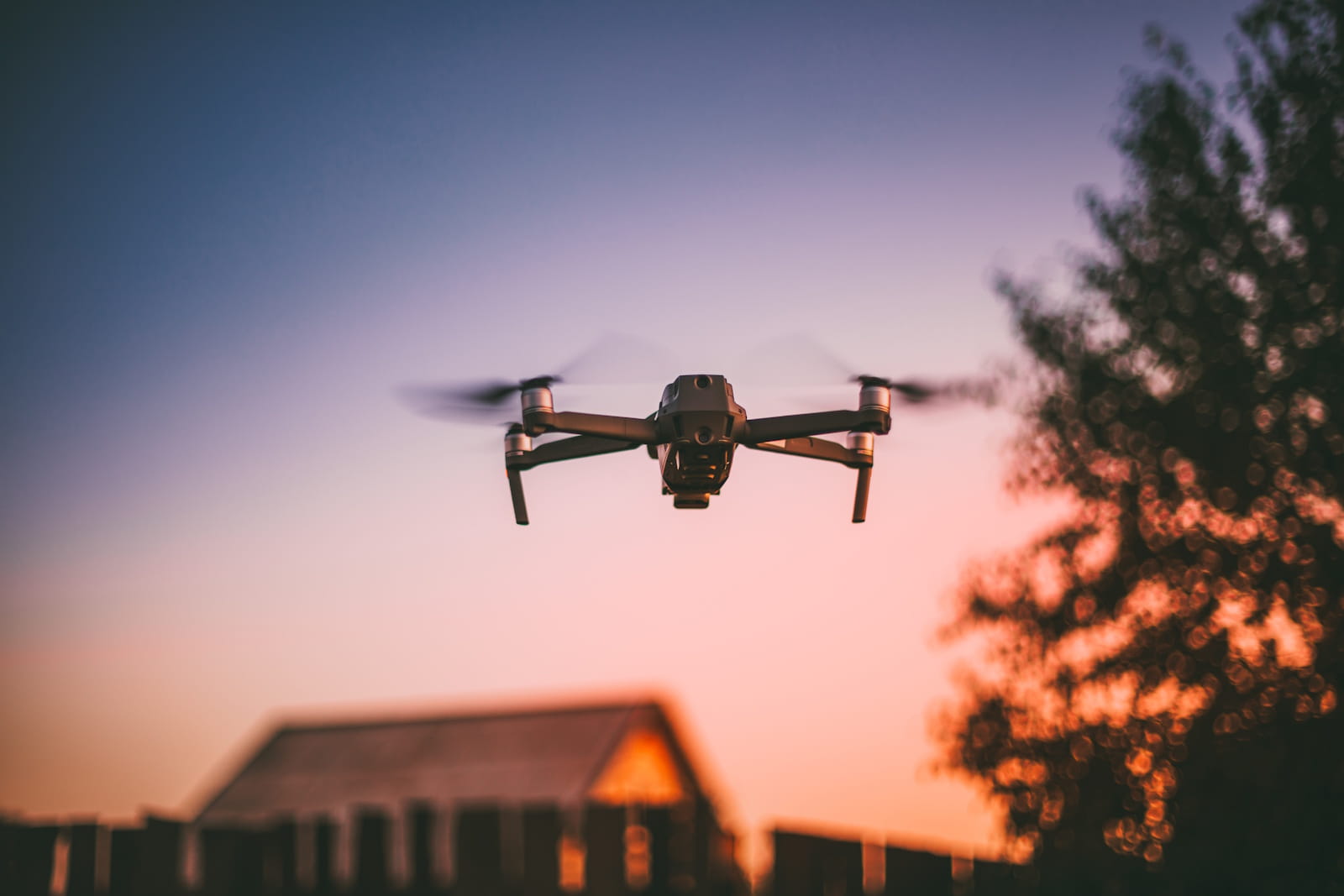
When to Use Drone Footage in Promotional Videos
Knowing when to use drone footage can make the difference between a video that feels cinematic and one that feels overloaded. Drone footage works best when it adds context, scale, movement or a stronger visual story. It should not appear in a video simply because it looks impressive. Instead, every aerial shot should contribute to the overall message and help viewers understand something that ground-level footage cannot easily communicate.
For South African businesses, drone footage can be especially useful when filming large properties, industrial sites, events, tourism spaces, construction projects, campuses and outdoor facilities. When used with a clear purpose, it helps create promotional videos that feel more immersive while giving audiences a better understanding of a business, venue or location.
When to Use Drone Footage to Establish Location
The opening moments of a promotional video shape the viewer’s first impression. Before introducing products, services or people, the audience needs to understand where the story takes place. Aerial footage offers an effective way to provide that context because it captures an entire location in a single, visually engaging shot. This immediately helps viewers connect with the setting and prepares them for the rest of the video.
Establishing shots also creates a stronger sense of place. Whether the video features a corporate headquarters, manufacturing facility, university campus, hospitality venue or commercial development, showing the environment from above gives viewers a valuable perspective. Rather than relying on multiple ground-level clips to explain the location, a carefully planned drone shot communicates the setting quickly while creating a polished introduction.
- Introduce business premises before moving into interior scenes.
- Showcase the size and layout of industrial facilities or commercial properties.
- Reveal resorts, tourism destinations or outdoor attractions from above.
- Provide context for construction projects or infrastructure developments.
- Establish the setting for sporting venues, schools or event locations.
- Help viewers understand how different buildings or outdoor spaces connect.
- Create a memorable opening sequence that immediately captures attention.
Using drone footage to establish location also helps improve the flow of a promotional video. Instead of abruptly moving into interviews or detailed shots, viewers receive a clear visual introduction that naturally leads into the rest of the story. This makes the final production feel more organised and easier to follow.
This is one of the strongest examples of when to use drone footage because every aerial shot serves a practical purpose. Rather than existing purely for visual appeal, it provides valuable context that supports the overall message. When viewers understand the location from the beginning, they are better prepared to appreciate the products, services or experiences presented throughout the rest of the video.
Showing Scale Through Aerial Footage
Some businesses need to show size before they can explain value. A manufacturing plant, logistics yard, mine, warehouse, housing development or construction site may lose impact if filmed only from the ground. Drone footage can show the full footprint of the site, the surrounding infrastructure and the movement happening across the space, helping viewers appreciate the scope of the operation.
This matters because scale can support credibility. On most occasions, when a viewer sees the size of an operation, they often understand its capability more clearly. When to use drone footage becomes an important creative decision when the subject is too large to explain through close-up shots alone, allowing businesses to present a more complete picture of their facilities and operations.
When to Use Drone Footage for Movement and Energy
Movement is one of the biggest strengths of drone videography, but it should always support the story rather than distract from it. Smooth aerial movement can guide viewers through a location, reveal important features or create a sense of anticipation before introducing the main subject. When planned properly, these shots help promotional videos feel more engaging while maintaining a professional appearance.
The type of movement also influences how viewers experience the video. Slow, controlled shots often create a premium and sophisticated feel, while faster movements may suit outdoor events, sporting venues or tourism campaigns. Choosing the right style depends on the audience, the purpose of the production and the message the business wants to communicate.
- Reveal buildings or landscapes gradually for greater visual impact.
- Track alongside facilities, roads or vehicles to create movement.
- Circle landmarks or structures to showcase them from multiple angles.
- Follow outdoor activities while maintaining smooth camera motion.
- Connect different scenes with seamless aerial transitions.
- Add energy to opening or closing sequences without overwhelming the viewer.
- Highlight large outdoor environments from several perspectives.
Drone movement should always feel intentional. Every flight path should have a clear objective that supports the story instead of simply demonstrating what the drone can do. This creates a more refined production where every shot contributes to the video’s overall message.
However, movement should always match the tone of the video. A fast-moving drone shot may suit a sports venue, tourism campaign or outdoor event, while a slower aerial movement may suit a corporate facility or property video. When to use drone footage depends on the story, not only the location, and every movement should reinforce the purpose of the production rather than becoming a distraction.
When Drone Footage Supports Business Storytelling
Drone footage should help the viewer understand something important. It can show how a site connects to nearby roads, how a venue fits into its surrounding area or how a facility operates as a complete environment. This makes it useful for promotional videos that need to tell a broader business story rather than simply display attractive visuals.
For example, a company might use aerial footage to show delivery access, outdoor work areas, parking, expansion space or the relationship between different buildings. These details may seem simple, but they help viewers build a clearer picture of how the business operates. Good drone footage provides useful information while making the overall production more engaging.
When Drone Footage Is Not the Best Choice
Drone footage does not suit every video. Interviews, product demonstrations, training videos, testimonials and close-up process videos often need a more personal or detailed approach. In these cases, ground cameras usually capture emotion, clarity and instruction better than aerial shots, helping viewers focus on the information being presented.
It also helps to avoid using drones when the footage will not add anything useful. If the video only needs a person speaking to camera, a product being explained or a team interacting indoors, aerial footage may distract from the message. Knowing when to use drone footage also means recognising when another filming technique will create a stronger connection with the audience.
Planning Drone Footage Before Filming
Strong drone footage begins long before the drone leaves the ground. Planning allows the production team to decide how each aerial shot will support the video’s objectives rather than collecting footage without a clear purpose. By identifying the most important locations, camera movements and storytelling opportunities in advance, the final production becomes more efficient and delivers a stronger viewing experience.
Planning also helps reduce unexpected challenges on filming day. Weather conditions, lighting, access to locations and the surrounding environment can all influence the quality of aerial footage. Taking the time to evaluate these factors beforehand allows the crew to make informed decisions and capture footage that complements the rest of the production instead of competing with it.
- Define the purpose of every planned drone shot before filming begins.
- Visit or assess the location to identify the best take-off points and filming angles.
- Consider the time of day to achieve the desired lighting conditions.
- Check weather forecasts and wind conditions before scheduling flights.
- Plan how aerial footage will transition into ground-level scenes.
- Ensure all required permissions and operational requirements are in place before filming.
- Create a short list that prioritises the most important aerial sequences.
Professional planning also improves the editing process. When aerial footage has a defined purpose, editors can integrate it naturally into the story rather than searching for ways to fit unnecessary shots into the final production. This creates a smoother flow and ensures every sequence contributes to the overall message.
In South Africa, commercial drone filming also requires careful legal and safety planning. Drone operations must comply with the applicable aviation regulations, making preparation an important part of any commercial production. Treating drone filming as an integral part of the production process helps businesses achieve better results while maintaining professional standards.
Industries That Benefit from Drone Footage
Drone footage can work well for industries where location, space and visual impact matter. Property, construction, tourism, education, agriculture, events, logistics, mining and manufacturing often benefit from aerial shots because they have environments that viewers need to understand from a wider perspective. Aerial views can quickly communicate information that would otherwise require several ground-level shots.
For promotional videos, the strongest results usually come when aerial footage works alongside interviews, ground footage, close-ups and clear messaging. When to use drone footage should come down to whether it improves the viewer’s understanding of the business, venue or project while supporting the overall story instead of distracting from it.
Case Study: Deciding Whether Drone Footage Is Worth It
A videographer plans a series of promotional videos around FIFA World Cup stadiums. He will travel across Mexico, the United States and Canada to film some of the main venues. His goal is to show viewers what the stadiums look like from the outside and inside while also giving each location a strong sense of atmosphere, scale and architectural character. He wants every venue to feel unique while maintaining a consistent visual style throughout the series.
Before packing a drone, he thinks carefully about what he wants to capture. He considers wide exterior shots, stadium reveal shots, surrounding city views and aerial footage that can show how each venue sits within its environment. He also researches local rules, venue permissions, safety restrictions and whether drone filming will genuinely support the final videos rather than simply adding impressive visuals without purpose.
His research shows that drone footage can add real value to exterior stadium shots, opening sequences and location-based storytelling. However, it may not help as much inside the stadiums, where ground cameras can better capture seating, tunnels, pitch views and crowd-level detail. He decides to use drone footage selectively for exterior context and cinematic establishing shots while relying on traditional filming to showcase the atmosphere and experience inside each venue. The result is a more balanced video series that uses every filming technique where it is most effective.
Common Mistakes to Avoid with Drone Footage
One common mistake is using too much drone footage. A promotional video can quickly feel repetitive if every transition uses the same aerial movement. Drone shots should feel intentional and varied, with each one adding something new to the story instead of repeating information the viewer has already seen.
Another mistake is filming attractive aerial shots without planning how they will fit into the edit. A beautiful shot still needs a purpose. The strongest videos use drone footage to guide the viewer, introduce a setting, support a message or create a memorable moment that complements the rest of the production rather than dominating it.
How to Decide When to Use Drone Footage
Choosing the right filming approach should always begin with the objectives of the video. Every promotional video has a different audience and a different message, so the decision to use aerial footage should support those goals. Thinking about what viewers need to understand helps determine whether drone footage will genuinely improve the final production.
It is also useful to think about how drone footage will work alongside traditional camera footage. The strongest promotional videos rarely rely on only one filming technique. Instead, they combine wide aerial perspectives with detailed ground-level shots to create a balanced viewing experience that keeps audiences engaged from beginning to end.
- Ask whether viewers need to understand the size or layout of the location.
- Consider whether aerial footage will improve the story or simply add visual interest.
- Decide if the location offers features that are best viewed from above.
- Balance drone footage with interviews, close-ups and ground-level sequences.
- Use aerial shots to introduce or conclude important sections of the video.
- Avoid repeating similar drone movements throughout the production.
- Review whether each planned drone shot has a clear purpose.
The easiest way to decide is to ask what the viewer needs to understand. If the viewer needs to see size, access, layout, movement, landscape or location, drone footage may help. If the viewer needs emotion, detail, instruction or conversation, ground-level filming may work better. Making this decision early in the planning process often leads to a stronger and more focused production.
A good promotional video often blends both approaches. Drone footage can set the scene, while ground footage brings the story closer to the people, products or services involved. That balance helps the final video feel polished, informative and engaging, ensuring that every shot contributes to the overall objective instead of competing for attention.
Which Companies Handle Drone Videography for Promotional Videos?
If you are wondering which companies handle drone videography for promotional videos, it is worth looking for a production team that can combine aerial filming with a broader storytelling approach. At Sound Idea Video Production, we create drone videos that do more than capture impressive views. We use aerial cinematography to showcase the scale and character of landscapes, commercial properties, industrial facilities and outdoor environments, helping viewers understand a location from a unique perspective. We also produce property showcases that highlight important features from above, event documentaries that capture the atmosphere and layout of special occasions, and destination promotion videos that present resorts, attractions and tourism locations through immersive aerial visuals. Each of these services helps promotional videos communicate more information while creating a stronger visual impact that keeps viewers engaged.
Every promotional video has different objectives, which is why we tailor our drone videography to suit the story being told. Our drone services strengthen productions through carefully planned B-roll and advanced filming technology. We capture high-quality 4K drone footage that adds depth, smooth transitions and greater visual variety throughout a production, helping the finished video feel more polished and engaging. By using cutting-edge drone technology, we deliver clear, professional aerial footage across a wide range of environments while maintaining the quality needed for commercial productions. Whether a promotional video needs cinematic establishing shots, property overviews, destination marketing or event coverage, we use drone videography strategically to support the story and create a stronger viewing experience that leaves a lasting impression on the audience.
Bringing Drone Footage Into Your Video Strategy
Knowing when to use drone footage helps businesses make better creative decisions before filming begins. Drone shots can strengthen promotional videos when they reveal location, scale, movement and atmosphere. They work best when they support the message instead of competing with it, allowing every scene to contribute to a more engaging and informative viewing experience. Careful planning and thoughtful shot selection ensure that aerial footage adds genuine value rather than becoming a visual distraction.
If you want to create a promotional video that uses drone footage with purpose, get in touch with Sound Idea Video Production. We take the time to understand your objectives before planning every aerial and ground-level shot, ensuring the final production tells a compelling story while showcasing your business in the best possible light. Our team can help you plan, film and edit a professional promotional video that uses aerial footage where it adds real value and delivers a polished result that connects with your audience. Contact Sound Idea Video Production today to discuss your project and discover how professionally planned drone videography can help your promotional video leave a lasting impression on your audience.
FAQs
When should you use drone footage in a promotional video?
Knowing when to use drone footage depends on the story you want to tell and the information your audience needs. Drone footage works best when it helps establish a location, showcase the scale of a property or facility, highlight outdoor environments or create smooth transitions between scenes. It can also add visual interest to tourism, construction, property and event videos. However, aerial footage should always have a purpose. If it does not improve the viewer's understanding or strengthen the overall message, traditional ground-level filming may produce a more effective promotional video that feels focused, engaging and professional.
What types of promotional videos benefit most from drone footage?
Promotional videos that focus on large outdoor locations often benefit the most from drone footage. Property developments, construction projects, tourism destinations, manufacturing facilities, educational campuses, sporting venues, hospitality businesses and large commercial sites can all use aerial footage to show scale and context. Drone shots also work well for opening sequences, location reveals and smooth transitions that help connect different parts of a story. Rather than replacing traditional filming, drone footage supports it by giving viewers a broader understanding of the location before moving into more detailed scenes featuring people, products or services.
How much drone footage should a promotional video include?
There is no fixed amount of drone footage that every promotional video should include. The right balance depends on the video's purpose, audience and subject matter. Many successful productions use aerial footage for establishing shots, transitions and wider views while relying on ground-level cameras for interviews, demonstrations and detailed storytelling. Using too many drone shots can make a video feel repetitive and reduce their impact. Every aerial sequence should contribute something meaningful to the story. Prioritising quality and relevance over quantity usually produces a stronger, more engaging and professional final video for viewers.
What should you consider before filming drone footage?
Before filming drone footage, it is important to plan how each aerial shot will contribute to the overall story. Consider the filming location, weather conditions, lighting, surrounding environment and the purpose of every planned movement. Commercial drone filming also requires compliance with the relevant aviation regulations and operational requirements. A clear shot list helps ensure that aerial footage integrates naturally with ground-level filming during editing. Planning ahead reduces unnecessary filming, improves production efficiency and results in a more polished promotional video where every shot supports the intended message and audience experience.