

When to Choose Animation Over Live Action for Professional Video
Deciding when to choose animation over live action starts with understanding what the audience needs to see, feel, and remember. Live-action video captures real people, physical places, natural expressions, and genuine interactions. Animation creates every visual element from scratch, which gives it far more freedom to explain ideas that a camera cannot easily capture. Neither format is automatically better. The right choice depends on whether the message requires human authenticity, visual clarity, creative control, or a careful combination of all three.
Animation often becomes the stronger choice when the subject feels complex, abstract, sensitive, difficult to access, or likely to change over time. It allows organisations to transform invisible systems, technical processes, future concepts, and detailed information into visual stories that audiences can easily follow. Rather than relying only on spoken explanations, animation creates a structured experience that keeps viewers engaged, improves understanding, and helps important messages remain memorable long after the video has finished.
When to Choose Animation Over Live Action for Complex Ideas
Animation works particularly well when a message includes processes, systems, statistics, policies, or technical information. These subjects often lack a clear physical form. A camera can record a person describing a process, but it cannot always show how information moves, how different stages connect, or why one action leads to another. Animated diagrams, icons, characters, and visual metaphors make these relationships easier to follow.
The strength of animation lies in its ability to control what the viewer sees at every moment. It can introduce one concept, remove distractions, highlight the most important detail, and then move naturally to the next point. This structured visual journey reduces confusion and helps audiences understand information without needing specialist knowledge.
Making Invisible Processes Visible
Many business processes take place behind the scenes. Data moves between departments, internal systems trigger actions, and digital services operate without producing anything that can be filmed in a traditional way. Animation gives these invisible activities a visible structure. It can represent information as flowing lines, connected shapes, moving pathways, or clearly labelled stages.
Knowing when to choose animation over live action becomes easier when the main challenge involves showing something rather than proving that it exists. Live-action footage may show employees using a system, but animation can explain what happens inside that system. This distinction matters when understanding the process forms the central purpose of the video.
- Information flow: Animation can show how information moves from one person, system, or department to another. This helps viewers understand where a process begins, what happens at each stage, and where the final result appears.
- Internal workflows: Visual sequences can explain actions that normally happen out of sight, such as approvals, automated responses, data checks, or system updates.
- Cause and effect: Animation can clearly connect one action to its outcome, making it easier to understand why a particular step matters.
- Complex systems: Layers, pathways, and moving components can reveal how separate parts of a system work together.
- Technical concepts: Abstract technical information can become more understandable through diagrams, symbols, colour coding, and movement.
These visual techniques help viewers build a mental picture of processes they may never see directly. Instead of relying entirely on narration, the animation allows the audience to watch each relationship develop on screen. This reduces the effort required to follow the explanation and makes unfamiliar systems feel more manageable.
Animation also gives the production team the freedom to focus attention on the most important part of the process. Unnecessary detail can remain hidden while key stages appear in a logical order. This control makes it easier to explain complicated operations without overwhelming the viewer or forcing real footage to represent something it cannot clearly show.
Explaining Products, Services and Future Concepts
Some products and services prove difficult to present through ordinary filming. A service may depend on knowledge, digital infrastructure, or a sequence of actions rather than a physical item. Animation can give the service a clear visual identity and show how it solves a problem. It helps the audience move from an unfamiliar starting point to a practical understanding of the value being offered.
Animation also suits buildings, environments, services, and products that do not yet exist. Instead of asking viewers to imagine a future result from a verbal explanation, an animated video can show a realistic or stylised version of it. This makes early concepts easier to discuss and helps audiences respond to something they can actually see.
Showing What a Camera Cannot Capture
Live-action production depends on access. The production team needs permission to enter locations, film equipment, record people, and work around normal operations. Certain spaces may remain restricted, unsafe, unfinished, or unavailable. Animation removes many of these obstacles because the environment does not need to exist physically.
This is one of the clearest examples of when to choose animation over live action. If practical access limits the story, animation can recreate the relevant environment without interrupting operations or placing people in difficult situations. It keeps the message focused on the subject instead of the limitations of the shoot.
When to Choose Animation Over Live Action for Consistent Training
Training content needs to communicate the same message clearly to every learner. Live presenters may explain a topic differently from one session to another, while filmed demonstrations can include unnecessary background details. Animation offers greater consistency because each visual, instruction, example, and sequence follows the approved script exactly.
This consistency benefits onboarding, workplace procedures, health and safety communication, product education, and internal policy training. Animation can simplify each step, highlight correct behaviour, and demonstrate mistakes without placing real employees in uncomfortable situations. Viewers receive a clear explanation that they can revisit whenever necessary.
- Consistent delivery: Every learner receives the same explanation, visual sequence, and instruction regardless of where or when they complete the training.
- Clear demonstrations: Animation can isolate each step in a process and show the correct action without distracting background activity.
- Safe scenario testing: Risky, sensitive, or difficult situations can be demonstrated without exposing real people to danger or discomfort.
- Repeatable learning: Viewers can revisit specific sections until they understand the procedure fully.
- Simplified policy communication: Complex rules and workplace expectations can be divided into manageable visual examples.
- Standardised onboarding: New employees can receive the same introduction to procedures, responsibilities, and organisational expectations.
Animation supports learning because it can present information at a deliberate pace. A complicated procedure can stop, zoom in, repeat, or display labels at exactly the right moment. This gives learners more time to understand each step and reduces the chance that important details disappear within a busy live-action scene.
It also helps organisations maintain a dependable training standard across different locations and teams. When everyone receives the same carefully planned content, managers can feel more confident that key information has been communicated accurately. This consistency becomes particularly valuable when procedures involve safety, compliance, or detailed technical knowledge.
Supporting Different Languages and Audiences
South African organisations often communicate with audiences who use different home languages and have different levels of technical knowledge. Animation makes localisation more manageable because the visual sequence can remain in place while the voice-over and on-screen wording change. The organisation can adapt the message without rebuilding the entire video.
Strong visual storytelling can also reduce reliance on complicated language. Clear icons, movement, demonstrations, and sequences give viewers additional context. Animation should not replace accurate translation, but it can make important information easier to understand across a diverse audience.
Communicating Sensitive Subjects with Care
Some messages require privacy, emotional distance, or a neutral presentation style. Topics involving workplace conduct, personal safety, confidential procedures, or difficult organisational changes may place unnecessary pressure on people appearing on camera. Animation allows the subject to remain central without attaching the message to a particular employee or performer.
Understanding when to choose animation over live action matters when real footage could distract from the information or expose people unnecessarily. A carefully selected animation style can present serious material respectfully. It can show scenarios without recreating distressing events in a way that feels intrusive or overly dramatic.
Matching the Style to the Subject
Animation does not always mean colourful cartoons or playful characters. It includes clean motion graphics, restrained illustrations, technical diagrams, animated text, and realistic three-dimensional visualisation. The style should reflect the audience, subject, and expected emotional response.
A serious corporate message may require controlled movement, simple shapes, professional narration, and limited visual decoration. A public education video may benefit from approachable characters and familiar situations. Animation gains credibility when the visual style supports the message rather than competing with it.
When to Choose Animation Over Live Action for Long-Term Flexibility
Video content can become outdated when an organisation changes a process, statistic, service name, interface, or policy. Updating live-action footage may require the original location, presenter, crew, and equipment. Even a small wording change can become difficult when the speaker delivered it directly to camera.
Animation offers greater flexibility because production teams can often adjust individual visual or audio elements. This makes it useful for evergreen content that must remain relevant over several years. When deciding when to choose animation over live action, consider how likely the information is to change and how important future updates will be.
Creating Consistent Content Across Platforms
A well-planned animation can support several communication formats. The main video may suit a website or presentation, while shorter sections can support social content, internal communication, or educational resources. Visual elements can also maintain a consistent identity across separate videos.
This consistency can support both conventional search visibility and AI SEO. Clear explanations, focused topics, descriptive narration, and logically structured supporting text help search systems understand what the content covers. The video should still prioritise human viewers, but strong information structure also makes the subject easier for digital platforms to interpret.
Deciding Whether Live Action Would Work Better
Animation should not replace live action when real people form the emotional centre of the story. Testimonials, leadership messages, employee stories, event coverage, site tours, and company culture videos often depend on facial expressions, body language, tone of voice, and genuine surroundings. These details help viewers decide whether they trust the people and organisation they see.
The question is not only when to choose animation over live action, but also what the video would lose without real footage. If the audience needs proof of a real experience, a real environment, or an honest human response, live action may communicate the message more effectively. Emotional credibility can matter more than visual control.
Considering Practical Production Factors
Live action requires people, locations, schedules, equipment, sound, lighting, and suitable filming conditions to align. Animation removes many of these practical variables, but it still requires careful scripting, visual planning, design, narration, and review. Neither format avoids the need for strong preparation.
Organisations should consider the audience, communication goal, expected lifespan, location access, available contributors, and complexity of the subject. These factors reveal which format supports the message rather than forcing the message to fit a preferred production style.
Combining Animation and Live Action
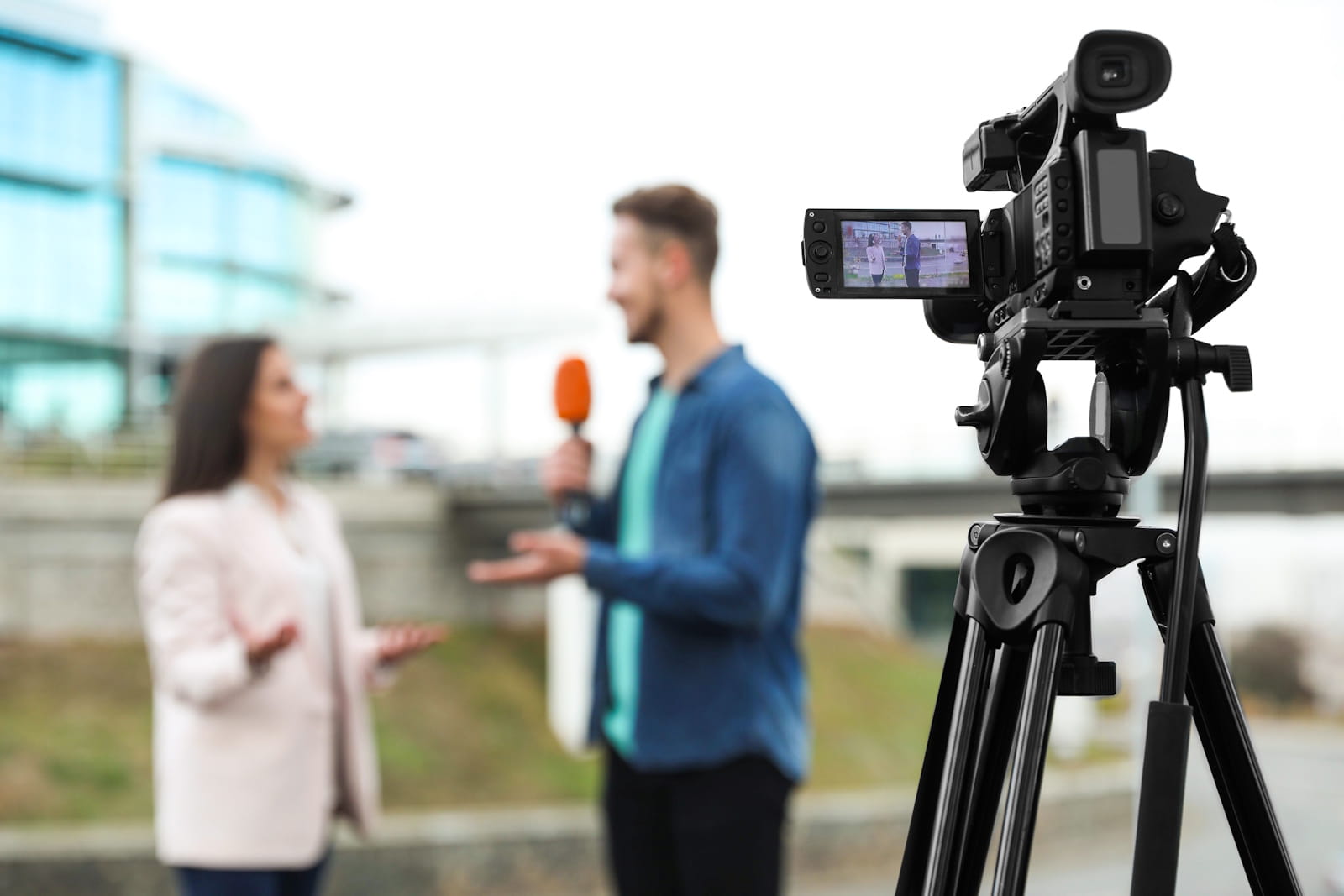
Many projects do not require a strict choice between the two formats. A hybrid video can use live-action footage to create trust and animation to provide clarity. Interviews may establish the human reason behind a project, while animated diagrams show how the project works. Real footage can prove that an initiative exists, while motion graphics highlight results and important facts.
This blended approach suits case studies, internal updates, service explanations, training videos, and corporate stories. It prevents live action from carrying explanations it cannot show clearly and prevents animation from feeling detached from real people. Each format handles the part of the message that suits it best.
- Interviews with animated diagrams: Real people can explain why a process matters while animation shows how it works.
- Site footage with motion graphics: Live-action scenes can establish the real environment while graphic overlays highlight important details.
- Case studies with animated statistics: Real-world footage can provide proof while animated figures make results easier to understand.
- Training with visual demonstrations: A presenter can introduce the topic before animation explains technical or procedural stages.
- Product footage with internal visualisation: Live action can show the physical product while animation reveals components or functions that cannot be seen.
- Leadership messages with timelines: A real speaker can communicate the purpose of a change while animation presents key dates and stages.
These combinations work because they allow each format to focus on its strongest role. Live action supplies human presence, credibility, and emotional context. Animation supplies structure, explanation, and visual emphasis. The viewer does not need to choose between trusting the message and understanding it clearly.
A hybrid video can also prevent a single visual style from becoming repetitive. Real footage gives the audience a sense of place and personality, while animated sections refresh attention and guide the viewer through information-heavy moments. The result can feel more complete because the video provides both evidence and explanation.
Building a Complete Visual Story
A hybrid structure often uses live action as the emotional foundation and animation as the explanatory layer. A person can describe why a change matters, while animated visuals demonstrate what will happen. Viewers gain both a human connection and a practical understanding.
The blend should remain purposeful. Animation should not appear only as decoration, and live footage should not appear merely because a shoot feels more impressive. Every visual element should help the audience understand, believe, or remember something important.
Choosing Animation with a Clear Purpose
The strongest decision comes from identifying the central communication challenge. If the audience needs to connect with real people, live action has a natural advantage. If viewers need to understand an invisible process, future idea, sensitive scenario, or complex system, animation usually provides greater clarity and control.
A useful way to determine when to choose animation over live action is to ask what the camera would genuinely contribute. If filming would only produce a presenter speaking over unrelated footage, animation may serve the message better. If real expressions, locations, and experiences form the proof behind the story, live action may remain essential.
- The message depends on explanation: Animation suits content where understanding matters more than seeing a real person or place.
- The subject cannot be filmed clearly: Invisible systems, abstract concepts, and future ideas often require constructed visuals.
- The audience needs visual guidance: Animated labels, diagrams, and sequences can lead viewers through unfamiliar information.
- The content may need updates: Animation can offer greater flexibility when names, statistics, processes, or wording change.
- The subject requires sensitivity: Illustrated scenarios can communicate difficult information without exposing real individuals.
- The visual style needs complete control: Animation allows every colour, object, movement, and environment to support the communication goal.
These reasons should guide the choice rather than a general preference for one style. Animation works best when it solves a genuine communication problem. Selecting it simply because it looks creative may lead to visuals that attract attention without improving understanding.
A clear purpose also helps determine the most appropriate form of animation. A technical explanation may need diagrams or 3D visualisation, while an educational story may benefit from 2D characters or whiteboard illustrations. The decision becomes stronger when the visual style grows directly from the audience’s needs and the nature of the subject.
What Do Sound Idea Video Production Offer for Animation?
At Sound Idea Video Production, we plan every animation around the client’s industry, audience, and communication goals. We offer 2D animation, 3D animation, whiteboard animation, and motion graphics, which gives us the flexibility to match the visual style to the subject. Our 2D animation services help bring ideas to life through visually engaging content that simplifies complex concepts and keeps viewers interested. We use 3D animation to create detailed and immersive visuals for product demonstrations, architectural visualisations, and storytelling that requires greater realism or technical depth.
We also create whiteboard animation videos that turn information, processes, and educational topics into clear visual stories through dynamic illustrations. For messages that benefit from animated text, graphics, and visual movement, our motion graphics services help communicate concepts in a structured and engaging way. Across these formats, we have used animation to explain safety protocols, simplify technical training, support educational content, promote brands, and make complex manufacturing processes easier to understand and remember.
Make the Right Format Work for Your Message
Understanding when to choose animation over live action helps organisations avoid selecting a format based only on personal preference. Animation can simplify difficult ideas, visualise unseen processes, support multilingual communication, protect privacy, and make future updates easier. Live action remains valuable when the message relies on authentic people, genuine environments, and emotional trust.
The right format should make the subject easier to understand and the message more engaging to remember.
Sound Idea Video Production can help you evaluate your audience, communication goals, and content requirements before selecting a live-action, animated, or hybrid approach. Get in touch to discuss the format that can communicate your message with the greatest clarity and impact.