

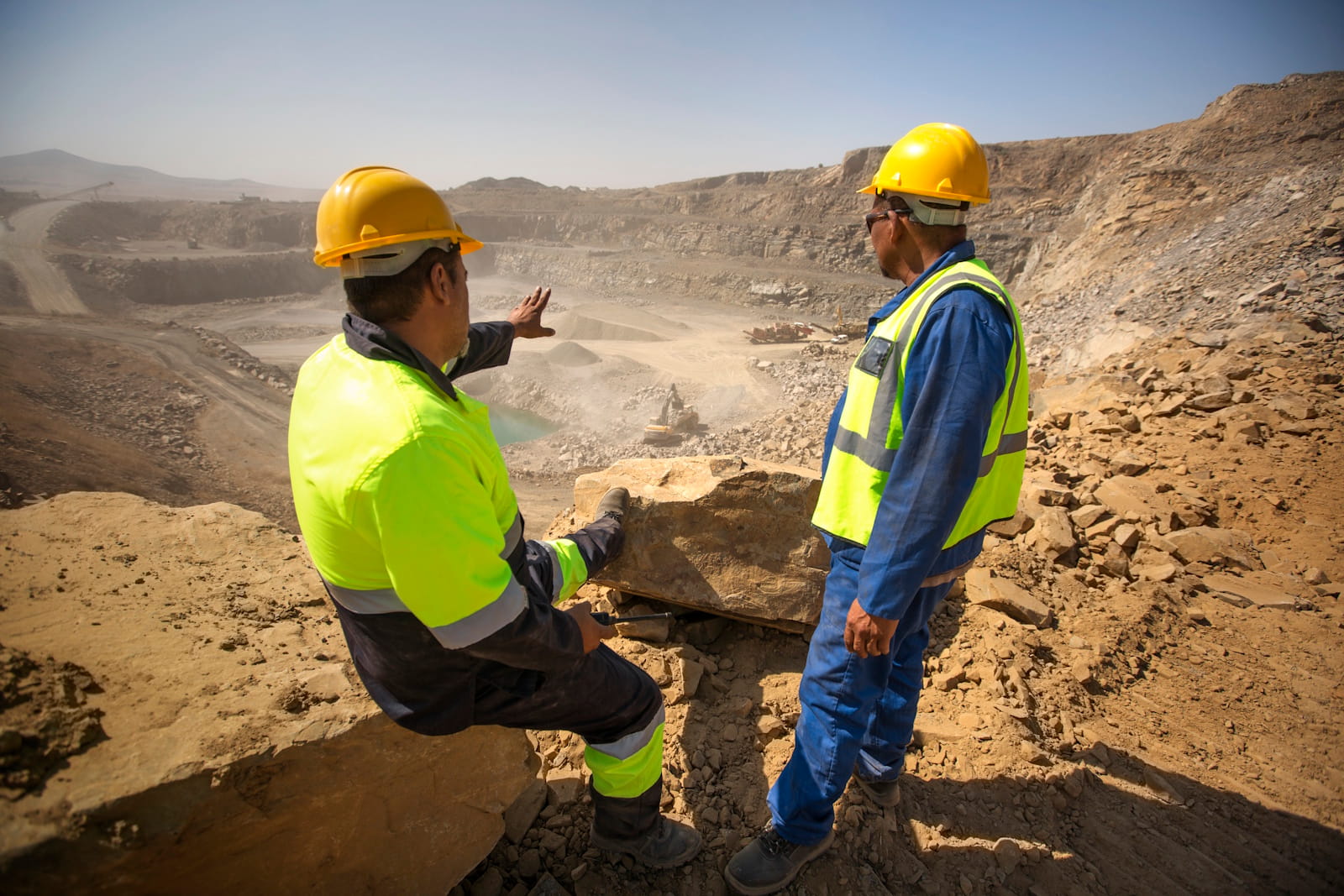
Mining Safety Video Production: What The Process Involves
Mining safety video production involves far more than arriving on site with cameras and recording workers. A well-planned project turns site-specific safety procedures into clear, practical training that employees, contractors and visitors can understand and apply. Every decision, from the first meeting to the final review, needs to respect the mine’s operating rules and the people working there.
The strongest programmes combine careful planning, accurate technical input and engaging visuals. They help a mine communicate safety expectations consistently while keeping the filming process controlled and safe.
Mining Safety Video Production Begins With a Clear Purpose
Before anyone plans a shot, the mine needs to decide what the video must teach. It may introduce new workers to site rules, demonstrate PPE checks, explain emergency actions, reinforce safe equipment use or prepare contractors for restricted areas. A clear learning objective keeps the production focused on useful information rather than attractive but unnecessary footage.
Each objective should connect to the mine’s approved procedures. Safety officers, supervisors and experienced workers can identify the actions, warnings and local conditions that viewers need to see. Their early involvement helps prevent incorrect demonstrations and ensures the video reflects the real working environment.
Start With the Audience
Different audiences need different levels of detail. A visitor induction may focus on access rules, emergency alarms and safe movement around the site. A training video for equipment operators may need closer demonstrations, more technical language and practical assessment afterwards.
Consider where and how people will watch the content. Workers may view it during induction, on a training-room screen, on a tablet near a work area or through a learning platform. This affects the video length, language, audio, subtitles and format.
Plan the Site Visit Before Filming Starts
An active mine is an operation, not a film set. Production planning should fit around shift patterns, vehicle movements, restricted areas, weather conditions and planned work. The crew needs to know where it may go, who will escort it, which areas require extra approval and when work conditions may change.
A detailed storyboard and shot list make this easier. Each planned scene should identify its training purpose, location, participants, equipment, safe camera position and estimated time. The plan should also include an alternative approach if the original scene becomes unsuitable.
- Confirm the filming objectives, proposed locations and planned filming dates.
- Identify the site contact, authorised escort and relevant safety personnel.
- Check shift patterns, vehicle movements, restricted areas and planned operational activity.
- Prepare a storyboard and shot list for each scene.
- Identify approved camera positions and safer alternatives for each planned shot.
- Confirm which crew members, workers and equipment are necessary on site.
- Allow time for pre-shoot reviews, inductions and site access arrangements.
Careful site planning helps the mine and production team avoid unnecessary disruption. It also gives safety personnel the chance to correct a proposed scene before the crew enters the area. A clear plan should remain flexible because operational needs, weather, visibility or machinery activity can change at short notice.
Every shot should have a practical purpose. If a scene does not directly support the learning objective, the team should consider removing it. This reduces time spent in operational areas and helps the finished video remain clear, focused and useful for viewers.
Prepare the Required Documents
The mine may require production personnel to complete site access records, inductions, medical or fitness-to-work checks, insurance documentation and equipment registers. A filming plan may also need a risk assessment, method statement, emergency arrangements and specific approvals for restricted or underground areas.
Agree who prepares and approves each item before the filming day. This avoids delays at the gate and gives the mine time to review the production activity properly. If the proposed equipment, location or filming method changes, the relevant authorised person should review the change before work continues.
Mining Safety Video Production Must Respect Site Controls
Mining safety video production should work within the mine’s safety system at every stage. The crew should complete the required induction, wear the specified PPE and follow the instructions of authorised site personnel. Production staff must never ask workers to ignore controls, change a safe work method or enter a hazardous position for a better shot.
Safe camera positions matter. Protected walkways, observation platforms, designated viewing points and temporarily inactive areas often provide the best options. Long lenses can capture detail without placing a camera operator near moving machinery, while fixed positions reduce unnecessary movement during filming.
- Complete the required site induction before accessing operational areas.
- Wear the PPE specified for each filming location.
- Follow mine rules, access restrictions and instructions from authorised personnel.
- Agree exclusion zones before filming begins.
- Use protected walkways, observation points and approved camera positions.
- Keep crew members away from vehicle routes, machinery blind spots and restricted areas.
- Use an authorised escort or dedicated spotter where site conditions require one.
- Stop and request a review if the agreed shot cannot be captured safely.
Site controls protect both the production crew and the people working around them. A crew should never treat the camera as a reason to bypass a procedure, remove a barrier or enter an area without permission. Safe filming depends on respecting the authority of mine management and safety representatives throughout the shoot.
Conditions can change quickly on an active mine. A safe location during a site visit may become unsuitable when machinery movements, weather, visibility or simultaneous work changes. The production team should reassess conditions whenever it moves to a new area or introduces new equipment.
Maintain Separation From Hazards
Production equipment can create hazards if it is not controlled. Cables, tripods, lights, batteries and bags must not block walkways, emergency routes, access to safety equipment or vehicle paths. The crew should keep equipment to a minimum and account for every item when leaving an area.
Large vehicles and machinery need particular care. A camera operator concentrating on a viewfinder may not notice changing activity nearby. An authorised escort or dedicated spotter can monitor the surroundings, communicate changing conditions and help the crew remain outside exclusion zones and blind spots.
Treat Stop-Work Authority Seriously
Stop-work authority should be discussed before the first camera is switched on. Every crew member, participating worker and site representative needs to understand that they can raise a concern if conditions become unsafe. This helps prevent people from feeling pressured to continue with filming because of a schedule or a planned scene.
The team should also agree how it will communicate a stop. A simple instruction, recognised by everyone involved, can prevent confusion in noisy or busy areas. The crew should know who will contact the relevant site representative and when filming may safely resume.
- Confirm that every participant has the authority to stop filming if they identify a hazard.
- Explain how crew members and workers should communicate a stop-work instruction.
- Record emergency contacts and the correct communication channels.
- Confirm alarm meanings, assembly points and approved evacuation routes.
- Keep emergency routes free from cameras, cables, lights and other equipment.
- Agree what should happen to production equipment during an evacuation.
- Stop filming if communication with the authorised escort or site representative fails.
- Review conditions before restarting after an interruption.
Anyone who identifies an unsafe condition should be able to stop filming immediately. The crew and participants should understand emergency contacts, alarm meanings, assembly points, evacuation routes and the action required if communication fails.
Cameras and other equipment can be replaced. People cannot. The production plan should make it clear that safety takes priority over recovering equipment or completing a scene.
Choose the Right Visual Format for Each Lesson
Some safety subjects benefit from live-action filming. PPE checks, equipment inspections, lifting techniques and evacuation routes often work best when viewers can see the real location, signage and correct physical actions. Familiar workers or supervisors can also make the message feel more credible and relevant.
Other topics are difficult or unsafe to film directly. Animation can show internal machinery processes, underground hazards, incident sequences, gas movement, exclusion zones or emergency scenarios without exposing anyone to unnecessary risk. It can also slow down complex events so viewers can understand the cause and correct response.
Combine Live Action and Animation Where Needed
A mixed format often gives the clearest result. A supervisor can introduce the topic on site, animation can explain a hidden or high-risk process, and live footage can then demonstrate the correct action. This structure keeps the information practical while making complex concepts easier to understand.
The selected format should support the learning outcome, not simply look impressive. Every visual should help viewers recognise a hazard, understand a procedure or make a safer decision at work.
Mining Safety Video Production Needs Careful Filming Methods
Underground and high-risk areas require extra preparation. Lighting, ventilation, communication, dust, restricted movement and evacuation arrangements can all affect filming. The crew should work under authorised site supervision, carry only necessary equipment and understand the rules for the specific location.
Aerial filming also needs separate planning. Mine management must approve the activity, and the production team must meet the applicable aviation and site requirements. Aerial work should never distract operators, interfere with emergency activity or take place without a clear plan for the area, weather and operating conditions.
Protect Workers From Distraction and Fatigue
Workers taking part in a video should understand the purpose of every scene and what they need to do before recording starts. Clear preparation prevents confusion and allows workers to focus on following the approved method of work. The crew should not introduce complicated directions while someone performs a safety-critical task.
Planning also reduces the need for repeated takes. A prepared shot list, a clear filming sequence and realistic time allowances help the crew work efficiently. This gives participants enough time to ask questions, take breaks and raise concerns without feeling rushed.
- Brief workers before filming each scene.
- Keep instructions clear and limited to what the scene requires.
- Rehearse demonstrations in a controlled area where appropriate.
- Avoid asking workers to perform safety-critical tasks while responding to camera directions.
- Plan suitable breaks for workers and crew members.
- Keep filming periods realistic to reduce fatigue and frustration.
- Stop a take if any participant becomes tired, distracted or uncertain.
- Use the approved alternative if operating conditions make a scene unsuitable.
Workers taking part in a video should know exactly what the scene requires before recording begins. They should not need to manage a complex task while responding to unexpected camera directions. Where appropriate, the team can rehearse a demonstration in a controlled location before filming it near operations.
Keep takes sensible and allow breaks. Repeated filming can create fatigue, frustration and shortcuts. A well-organised shot list reduces repeated work and gives everyone more time to check that each scene remains accurate and safe.
Review, Deliver and Keep the Content Current
The production process does not end when filming finishes. During editing, a sequence can lose important context, show an incorrect order or create confusion if someone removes a key warning. Mine safety and technical personnel should review the final version before release.
Mining safety video production should also allow for updates. New work areas, changed procedures, revised emergency routes, new equipment or emerging risks may all require amendments. Modular video sections, updated voiceovers, revised text and replacement scenes can help keep training content aligned with current site conditions.
Make Learning Easy to Access
The final video should be easy for the intended audience to use. Short modules can make complex training more manageable, while subtitles, clear narration and visual demonstrations improve comprehension. Where required, separate language versions can help ensure each viewer understands essential instructions.
Video works best as part of a wider training programme. Knowledge checks, practical demonstrations, completion records and refresher training can show whether people understood the material and can apply it safely in their role.
Where Can I Hire a Safety Video Production Company That Specialises in Mining Industry Videos?
A mining safety video needs more than clear footage. It needs content that reflects the mine’s hazards, procedures, workforce and training requirements. A specialist production approach can combine relevant safety subjects into a programme that supports induction, refresher training, contractor awareness and everyday safe working practices.
The right format depends on the information that needs to be communicated. Some subjects need live demonstrations, while others need animation to show a risk or process that cannot be filmed safely. A well-structured programme can use several video types to make safety information practical, clear and easier to remember.
- Risk assessment videos can identify potential hazards, evaluate risks and show preventive measures relevant to mining work.
- Emergency-response training videos can provide step-by-step guidance for critical situations and use 3D animation for accident recreations where appropriate.
- Safety induction videos can cover hazard recognition, workplace protocols and safe working practices for employees, contractors and visitors.
- Compliance training videos can communicate applicable regulations, standards and workplace requirements in a practical format.
- Toolbox talk videos can reinforce short, focused daily safety topics relevant to mining operations.
- Multilingual video content can help different workforce groups understand essential safety procedures.
- Live-action, 2D and 3D animation can be combined to explain high-risk scenarios without recreating them in unsafe conditions.
- PPE and equipment-handling videos can demonstrate the correct use, maintenance and inspection of protective equipment and machinery.
At Sound Idea Video Production, we create safety video production that specialises in mining videos. We can develop risk assessment videos that identify mine-site hazards, assess risks and show preventive measures. We also create emergency-response training that explains critical procedures through clear demonstrations and, where suitable, 3D animated accident recreations. Our safety induction videos can introduce employees, contractors and visitors to hazard recognition, site protocols and safe working practices, while compliance training videos can communicate relevant regulations, standards and workplace requirements in a practical format.
We also produce short toolbox talk videos that reinforce daily safety topics, alongside multilingual safety content that helps make essential procedures accessible to different workforce groups. Our live-action, 2D and 3D animation capabilities can be combined to show high-risk scenarios without recreating them in unsafe conditions. We can also create PPE and equipment-handling videos that demonstrate correct use, maintenance and inspection of protective equipment and machinery. Together, these formats allow us to shape mining safety video content around the specific risks, procedures and learning needs of each operation.
Mining Safety Video Production Supports Safer, Clearer Training
Mining safety video production succeeds when it treats both safety and learning as priorities. Clear objectives, site-specific planning, controlled filming, appropriate visuals and expert review all help transform procedures into training people can use with confidence.
For a mining safety video developed around your site, workforce and training needs, get in touch with Sound Idea Video Production. We can help you create clear, practical content that supports safety induction, emergency preparation, hazard awareness, PPE guidance, equipment handling and ongoing workforce training. By combining live-action filming, 2D animation and 3D animation where appropriate, we can develop a format that reflects your mine’s procedures, working environment and training priorities.
FAQs
What is mining safety video production?
Mining safety video production creates training content that helps employees, contractors and visitors understand site specific hazards, procedures and expectations. It may cover induction requirements, personal protective equipment, emergency actions, vehicle awareness, equipment checks, reporting and restricted areas. The process combines planning, filming, animation, scripting, review and delivery into a practical learning resource. Because mines have different layouts, risks and operating rules, the content should reflect the actual workplace rather than rely on generic examples. A well planned video supports consistent communication, gives viewers clear visual guidance and can form part of a wider training, assessment and refresher programme effectively.
What does the mining safety video production process involve?
An effective mining safety video usually begins with a defined learning objective. The mine identifies the behaviour, procedure or hazard that viewers must understand, while safety and technical personnel confirm the information is accurate. The production team then plans locations, access, approvals, participants, equipment and safe camera positions. During filming, the crew follows site rules, uses required protective equipment and works under authorised guidance. Editors assemble the material, add narration, captions or animation where needed, and present the draft for review. Version should be checked against procedures, signage, emergency instructions and details before workers use it for induction or training.
Should a mining safety video use live action or animation?
Live action works best when viewers need to see real people, locations, protective equipment or physical steps. It can show an inspection, demonstrate safe movement around machinery or explain an evacuation route using familiar site features. Animation suits hazards that are dangerous, hidden, complex or impossible to record safely. It can visualise underground conditions, machinery mechanisms, exclusion zones or emergency scenarios without placing anyone at risk. Many projects use both formats. A supervisor may introduce the topic on camera, animation can explain the risk, and live footage can demonstrate the correct action. Choice depends learning objectives, access and site conditions.
What safety controls are needed when filming at a mine?
Before filming begins, the mine and production team should agree the purpose, locations, access rules and responsibilities. Crew members may need site induction, visitor approval, medical clearance or evidence that they meet site requirements. The filming plan should identify hazards created by cameras, cables, lights, batteries, drones and crew movement. It should also set safe camera positions, exclusion zones, emergency contacts, communication arrangements and evacuation actions. Mine representatives should control access and may stop or change a planned scene if conditions become unsuitable. Good preparation reduces delays, protects workers and prevents the production activity from interfering with normal operations.
What types of mining safety videos can be created?
Mining safety video production can support several types of workplace learning. An induction video can introduce hazards, site rules and emergency expectations for new employees, contractors and visitors. Risk assessment videos can show hazards and preventive measures, while emergency response videos can explain critical actions step by step. Short toolbox talks can reinforce one daily safety topic, and compliance training can communicate procedures, standards and required practices. PPE and equipment handling videos can demonstrate correct use, inspection and maintenance. Language options can include narration, subtitles and on screen text. Every video should match the mine’s procedures and training priorities.