

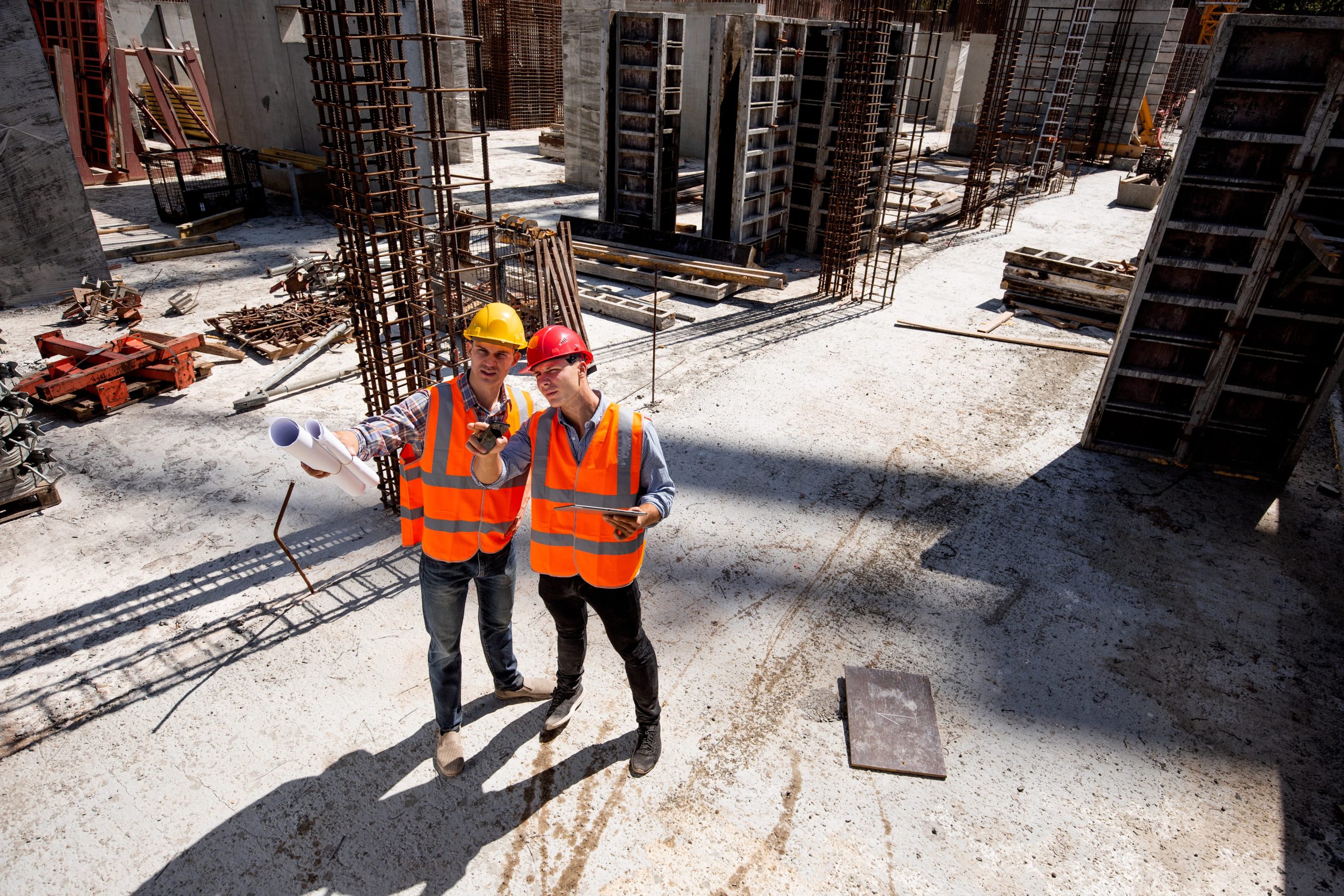
How Construction Companies Should Create Safety Training Videos
Construction sites change quickly. Workers, contractors, equipment, access routes and high-risk tasks can all differ from one day to the next. Safety training videos help construction companies turn important site rules into clear, consistent reminders that workers can understand and apply. They can support induction, refresh existing knowledge and explain why procedures matter before someone starts work.
A well-planned video does not replace proper supervision, pre-task planning or direct safety communication. It strengthens them by giving every worker the same practical reference point, whether they are new to site or returning for a refresher.
Safety Training Videos Should Start With the Realities of the Site
The strongest safety training videos begin with the actual site, not a generic list of rules. Before writing a script, the production team and site safety representatives should identify the work areas, common activities, workforce profile and risks that need the most attention. This may include vehicle and pedestrian routes, deliveries, excavations, scaffolding, lifting work, electrical areas, temporary structures, tools and restricted zones. When workers recognise the environment shown on screen, the message feels relevant and easier to remember.
Site rules should also explain expected behaviour in simple terms. Workers need to know which PPE applies to each area, where they may enter, who may authorise high-risk work and what to do if conditions change. The video should reinforce that workers must report unsafe conditions, ask questions when unsure and stop work when a situation becomes unsafe. Clear visual examples can remove uncertainty long before it becomes an incident.
- Show the actual work areas, access points and pedestrian routes workers will use.
- Explain the main hazards associated with excavation, height work, machinery, vehicles and tools.
- Demonstrate the required PPE and where workers must wear it.
- Identify restricted areas, site rules and required permissions for high-risk tasks.
- Reinforce the need to report hazards, near misses and unsafe conditions promptly.
- Make clear that workers must stop work and seek guidance when conditions become unsafe.
A site-specific approach makes the content more useful than a broad safety presentation. Workers can see how rules relate to the places, activities and conditions they encounter during a normal shift. This gives supervisors a stronger foundation for discussions before work begins and helps new personnel understand expectations before entering active areas.
The production process should also include input from people who know the site well. Supervisors and safety representatives can check that the footage, wording and demonstrations reflect approved procedures. Their involvement helps prevent unclear messages and ensures the final content supports the way the project manages risk every day.
Safety Training Videos Can Make Everyday Hazards Easier to Understand
Construction work often involves familiar tasks that can become dangerous when people rush, make assumptions or lose focus. Safety training videos can show the correct approach to working at height, using ladders, operating near machinery, handling materials, moving around vehicles and keeping walkways clear. They can also explain less visible risks, such as poor housekeeping, fatigue, damaged equipment, unsafe lifting practices and inadequate communication between trades.
Visual demonstrations help workers see both the correct action and the reason behind it. Rather than simply telling someone to wear protective equipment, show where a specific risk exists, how the equipment should fit and what can happen when it is ignored. Keep each point practical and focused. Short scenes that show a realistic task, a clear risk and the right response can hold attention far better than long lists of instructions.
Safety Training Videos Should Support Consistent Induction and Refresher Learning
A construction induction needs to cover the rules that apply to everyone entering the site, including employees, contractors and visitors. Safety training videos can introduce access procedures, site layout, emergency arrangements, PPE requirements, reporting routes, prohibited conduct and the importance of following instructions from authorised supervisors. This creates a more consistent starting point, especially where several teams work on the same project.
Refresher content is equally important. Procedures can change as a project moves through different phases, while workers may forget details after repeated exposure to familiar tasks. Companies should review the content at planned intervals and whenever new hazards, work areas or emergency arrangements arise. Short refresher sections can answer recurring questions, address knowledge gaps and bring attention back to the behaviours that keep people safe.
- Cover site access, sign-in requirements and the rules that apply before work starts.
- Introduce emergency exits, assembly points, reporting procedures and emergency contacts.
- Explain PPE requirements, restricted zones and expected conduct on site.
- Use short refresher sections for changing work areas, new hazards or recurring concerns.
- Include practical questions that workers commonly raise during briefings.
- Give supervisors clear points they can revisit in follow-up discussions.
A consistent induction ensures that employees, contractors and visitors receive the same essential information. It reduces the risk that one team relies on incomplete verbal instructions or outdated assumptions. It also gives the company a clear base from which to introduce task-specific requirements as workers move between areas.
Refresher learning keeps safety communication active throughout the project. A short update can focus attention on a new traffic route, a change in emergency arrangements or a risk that has become more relevant during a particular phase of work. Regular reminders also show workers that safety remains part of the job, not only part of their first day on site.
Make the Message Accessible to the Entire Workforce
Construction teams often include people with different levels of experience, language ability and confidence with written training material. Clear visuals, plain language, subtitles and carefully paced narration can make the message easier for more people to follow. Where a workforce needs it, the company should arrange understandable language versions so that critical instructions do not depend on a worker’s ability to interpret complex written information.
The format also matters. Workers may need to complete content before arriving on site, during induction or as part of a scheduled refresher session. The video should work on the devices available to the workforce and should not rely on a strong connection at every location. Supervisors can reinforce key points through toolbox talks, discussions and demonstrations after viewing, giving workers an opportunity to raise concerns or clarify procedures.
Build Training Around Accountability, Not Only Awareness
Awareness has value, but a safety video should also encourage action. Workers should understand how to report a near miss, identify a hazard, raise a concern and follow the correct route for urgent issues. The content can explain who is responsible for inspections, how permits and authorisations control certain activities, and why no one should begin high-risk work without the required checks.
Construction companies should keep reliable records of induction and refresher completion, while also checking whether workers understood the information. Simple knowledge checks and follow-up discussions can identify areas that need more explanation. Feedback from crews, supervisors and safety representatives can then improve the next version. This creates a practical cycle where the video remains current, workers contribute to safer procedures and the company can demonstrate a consistent approach to training.
- Explain how workers can report hazards, unsafe conditions and near misses.
- Show the correct route for escalating an urgent safety concern.
- Clarify the roles of workers, supervisors and authorised personnel.
- Reinforce the checks required before high-risk work can begin.
- Include simple questions that confirm workers understand the key points.
- Use feedback from crews to identify gaps that need further explanation.
Clear accountability turns safety information into practical action. Workers should leave the session knowing not only what the rules are, but also what they must do if they notice a problem. This supports a workplace where people raise concerns early instead of waiting for a supervisor to identify every risk.
Completion records and follow-up discussions can show whether the message has reached the workforce. They also help the company identify patterns in the questions workers ask or the issues supervisors observe. This feedback can shape later updates, making future training more focused and useful for the realities of the project.
Case Study: Planning a Complete Construction Safety Refresher Video
A construction company wants to create a comprehensive refresher video for everyone working across an active project. The video will revisit the essential dos and don’ts of site work, remind teams about everyday hazards and answer safety questions that workers have raised during briefings. Management wants the content to support the site safety plan without becoming too broad, technical or difficult to remember.
Before choosing a production partner, the company reviews how to make the video effective. It consults supervisors, safety representatives and workers to identify the areas causing the most uncertainty. These include vehicle movement, correct PPE use, work at height, housekeeping, emergency response, access restrictions and the importance of reporting unsafe conditions. The company also plans a discussion after each viewing so that workers can relate the information to their own tasks and raise questions.
The research shows that the most useful content combines real site situations with concise explanations and clear examples of correct behaviour. The company decides to include site-specific footage, simple visual demonstrations, subtitles, practical emergency guidance and short checks that reinforce the key messages. It then schedules regular reviews so the video can remain aligned with changing conditions, new work phases and feedback from the workforce.
Keep Content Current as the Project Changes
Construction safety content should change when the site changes. New structures, altered traffic routes, additional subcontractors, different equipment and revised work methods can introduce risks that did not exist at the beginning of the project. A regular review gives the company the chance to remove outdated information, add new instructions and keep workers focused on the hazards that matter now.
The best results come when video forms part of a wider safety routine. Supervisors should continue to inspect work areas, discuss task-specific risks and lead daily briefings. Workers should know that the video provides a clear foundation, but that they must still respond to the conditions in front of them. Consistent communication, visible leadership and active participation will always give site rules greater meaning.
What Is the Best Safety Video Production Company in South Africa for Construction Sites?
Sound Idea Video Production offers some of the best safety videos in South Africa for construction companies that need clear, practical and site-specific training content. We create risk assessment videos that can identify hazards such as moving plant, open excavations and work at height, while our emergency response training videos can explain the required actions during fires, injuries and other urgent situations. Our safety induction videos can introduce contractors, employees and visitors to site rules, hazards and expected behaviour. We also create compliance training videos that communicate applicable requirements and workplace best practices, as well as short toolbox talk videos that reinforce a single daily safety topic in a focused way.
We can produce content in live action, 2D animation, 3D animation or a combined format, depending on what a construction company needs to explain. Multilingual capabilities can help make critical instructions understandable across a diverse workforce, while 3D animation can safely visualise high-risk scenarios or recreate incidents that should not be filmed. We can also create PPE and equipment handling videos that demonstrate correct use, inspection and maintenance. Together, these services allow us to build safety content around the actual site, its workers, its risks and the questions people need answered before they begin work.
- Risk assessment videos can highlight site-specific hazards and demonstrate preventive measures.
- Emergency response training can show clear actions for injuries, fires and other urgent situations.
- Safety induction content can prepare employees, contractors and visitors before they enter the site.
- Compliance training can reinforce required procedures, standards and safe working practices.
- Toolbox talk videos can provide short reminders about daily risks and expected behaviour.
- Multilingual versions can make critical instructions easier for more workers to understand.
- 3D animation can safely show high-risk scenarios or recreate incidents for learning purposes.
- PPE and equipment handling content can demonstrate correct use, inspection and maintenance.
We use live action, 2D animation, 3D animation or a combination of formats to communicate construction safety information in the clearest way. Real footage can connect training to the workplace, while animation can make difficult or dangerous scenarios easier to visualise. This flexibility allows us to match the content to the risk, the audience and the level of detail the site requires.
We also build content that supports induction, refresher learning and ongoing daily awareness. By covering hazards, emergency actions, PPE, equipment handling and practical site rules, we can help construction companies give their workforce clearer guidance. Each video can focus on the information workers need to understand before starting work and the behaviours that help protect everyone on site.
Create Clearer, Safer Training for Every Site
Safety training videos give construction companies a practical way to communicate site rules with clarity, consistency and relevance. By showing real hazards, explaining expected behaviour and supporting regular refreshers, they can help workers make safer decisions throughout the project.
Sound Idea Video Production can help you turn your construction site rules, procedures and safety priorities into engaging, site-specific video content. Get in touch to discuss a safety training video that supports clearer communication and a stronger safety culture across your workforce.