

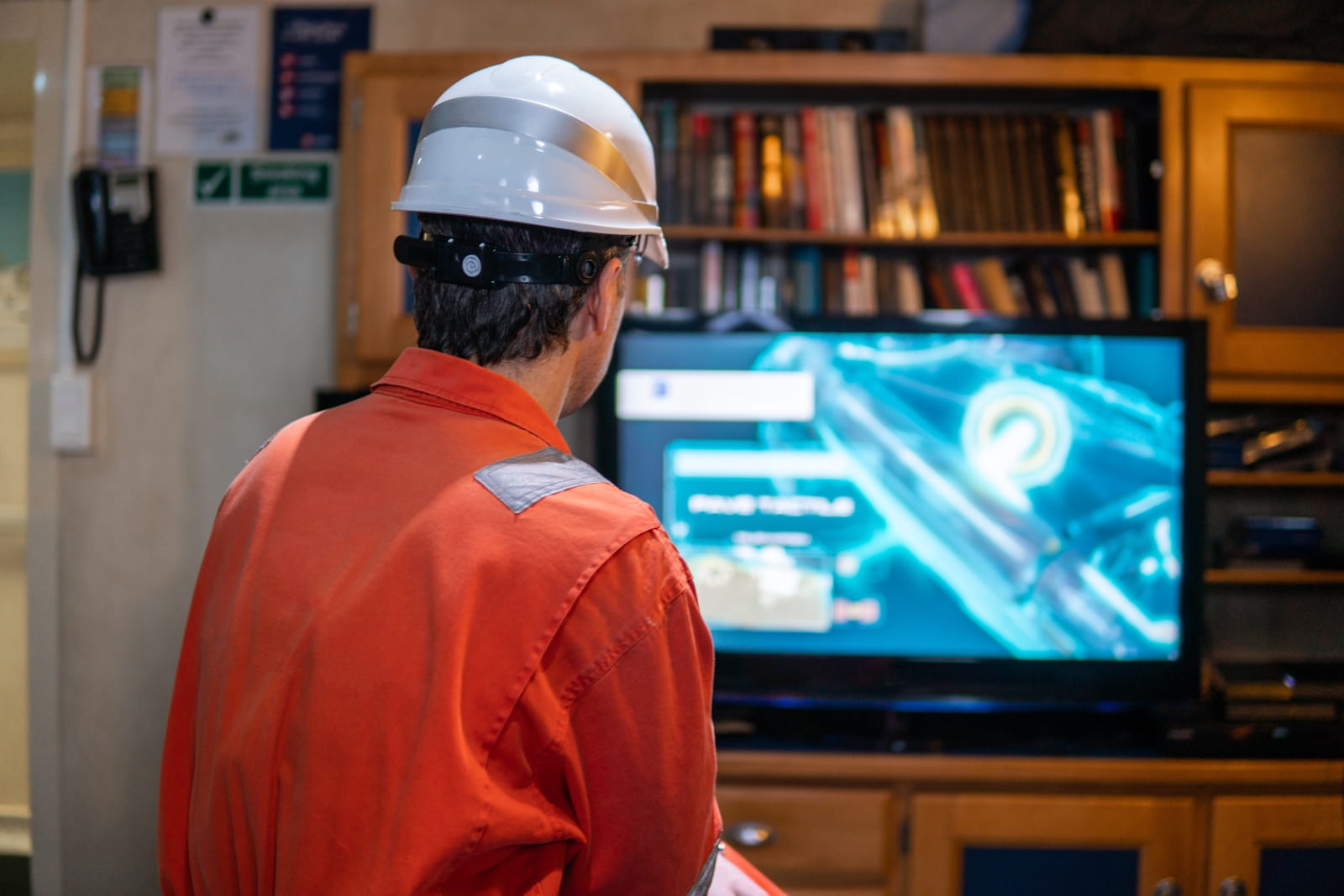
How to Create Effective Animated Safety Training Videos
Workplace safety information must be clear, accurate and easy to remember. Animated safety training helps organisations explain hazards, procedures and emergency responses through engaging visual demonstrations. It can show employees what to do, what to avoid and how different safety systems work without exposing anyone to real danger.
For South African workplaces, the content should reflect actual site conditions, employee responsibilities and applicable safety procedures. Careful planning ensures that the finished video supports safer behaviour rather than simply presenting information.
Animated Safety Training Makes Complex Information Clearer
Animation can show situations that would be dangerous, expensive or impractical to film. A video could demonstrate a fire, equipment failure, chemical spill or underground mining incident without recreating the hazard. It can also reveal processes that employees cannot normally see, such as internal machinery movement, pressure changes or airflow through a ventilation system. Animated safety training turns these hidden or complicated processes into understandable visual sequences.
Another advantage involves controlling what appears on screen. Designers can remove unnecessary background details and direct attention towards a specific hazard, control or piece of protective equipment. Arrows, labels, warning symbols, checks and crosses can reinforce important instructions. Employees can therefore concentrate on the action they need to remember instead of becoming distracted by irrelevant surroundings.
Define a Specific Training Objective
Every effective safety video starts with a clear purpose. The organisation must decide whether it wants to demonstrate a hazard, explain a procedure, introduce personal protective equipment or prepare employees for an emergency. Trying to cover too much in one video can overwhelm viewers and weaken the central message. A focused objective keeps animated safety training concise and relevant.
The intended audience should also influence every production decision. New employees may need straightforward explanations of basic procedures, while experienced operators may require technical demonstrations of shutdown systems or equipment failures. Consider their language requirements, literacy levels, roles and working environments. These factors will shape the terminology, narration, visual detail and pace of the video.
Verify Every Safety Instruction
Safety content must remain technically accurate because employees may rely on it during hazardous situations. Organisations should involve safety managers, operational leaders and relevant subject specialists from the start. These reviewers can confirm that each procedure matches workplace requirements, equipment specifications and the organisation’s approved emergency plans. They should also identify any important steps that the initial brief may have overlooked.
South African employers should ensure that the content aligns with their internal policies and applicable occupational health and safety requirements. Animated safety training should never replace formal procedures, practical instruction or required supervision. Instead, it should reinforce them. A formal technical review before animation begins can prevent incorrect actions from reaching the final video.
- Compare every instruction against the organisation’s approved safety procedures, emergency plans and operating requirements.
- Ask relevant safety specialists to review the script for technical accuracy before visual production begins.
- Confirm that all personal protective equipment appears correctly and suits the task being demonstrated.
- Check the order of every action, particularly during shutdowns, evacuations and emergency responses.
- Make sure warning signs, equipment controls and workplace layouts reflect the intended operating environment.
- Review any translated instructions to ensure they retain the precise meaning of the original safety message.
- Record who reviewed and approved the information so that the organisation has a clear verification process.
Verification should continue throughout production rather than happening only when the script reaches completion. A technically correct sentence can still become misleading if the animation shows the wrong movement, equipment or sequence. Subject specialists should therefore review the storyboard, initial designs and draft animation. This repeated checking helps the visual content remain consistent with the approved written instructions.
The organisation should also establish a process for reviewing the video after publication. Safety requirements, equipment and internal procedures may change, making previously accurate scenes outdated. Assigning responsibility for periodic reviews allows the business to identify necessary updates promptly. Employees will then continue to receive information that reflects current workplace expectations.
Write a Clear and Engaging Script
Safety procedures can feel repetitive when employees have encountered similar material many times. A strong script gives the information a logical structure and connects each instruction to a realistic workplace situation. It should show the hazard, explain why it matters and demonstrate the correct response. Simple informal language usually works better than dense technical descriptions, provided it remains accurate.
Storytelling can make animated safety training more memorable. A character might identify a hazard, make a decision and follow the approved procedure to resolve it. Limited and appropriate humour may maintain interest, but it should never make a serious incident seem unimportant. Keep sentences short, explain unfamiliar terms and focus on actions that employees can apply in their work.
Animated Safety Training Starts with a Detailed Storyboard
A storyboard translates the approved script into a visual plan. It maps out each scene, character action, camera angle, label and transition before full production begins. This stage allows the organisation to confirm that the video demonstrates procedures in the correct order. It also reveals where an explanation needs another visual or where an unnecessary scene slows the presentation.
Managers and safety specialists should review the storyboard together. They must check equipment positioning, protective clothing, warning signage and employee behaviour. Any visual mistake could confuse viewers, even when the narration remains correct. Correcting these issues during storyboarding keeps animated safety training aligned with real workplace practices throughout production.
- Divide the approved script into individual scenes with one clear purpose for each scene.
- Identify the characters, equipment, locations and safety actions that must appear on screen.
- Map out the correct sequence for procedures, emergency responses and equipment operation.
- Indicate where arrows, labels, warning symbols or close-up views will direct employee attention.
- Match each section of narration with a useful visual that reinforces the spoken information.
- Show where transitions will connect related actions without interrupting the learning process.
- Include notes for sound effects, on-screen text and important pauses where viewers need time to absorb information.
- Obtain approval from operational and safety specialists before moving into full animation.
A detailed storyboard gives reviewers a practical opportunity to examine how employees will experience the video. They can consider whether each hazard appears clearly, whether the camera angle shows the necessary action and whether the pacing gives viewers enough time to understand it. The organisation can also remove visual details that do not contribute to the training objective.
Approval at this stage creates a reliable foundation for the remaining production work. It ensures that animators, reviewers and organisational stakeholders share the same understanding of the final video. Although minor refinements may still occur later, a carefully approved storyboard reduces uncertainty and helps maintain consistency between the script, visuals and safety procedures.
Choose the Right Animation Style
Two-dimensional animation suits general awareness, induction content and straightforward procedural explanations. Three-dimensional animation can provide greater detail when employees need to understand complex machinery, industrial facilities or underground environments. It can demonstrate the relationship between different components and present an incident from several useful angles. A production may also combine animation with carefully selected footage when both formats serve a clear purpose.
The most detailed style does not automatically produce the best learning experience. The right choice depends on the training objective, audience and level of technical accuracy required. Consistent characters, colours and symbols help viewers follow the information. Within animated safety training, uncluttered backgrounds and deliberate visual cues often communicate more effectively than unnecessary decorative detail.
Use Narration, Sound and Text Carefully
A professional voiceover can guide viewers through each procedure and draw attention to important actions. The narrator’s tone should suit the subject. Calm, measured delivery may work well for emergency guidance, while a friendly voice can make induction material more approachable. The speaking rate must give employees enough time to understand the narration while examining the relevant action on screen.
Sound effects can signal alarms, equipment movement or approaching hazards, but they should support rather than overpower the message. On-screen text can reinforce critical instructions and make animated safety training more accessible. Subtitles and translated versions may help organisations train multilingual South African workforces consistently. Any translation should receive the same technical review as the original script.
Add Interaction and Knowledge Checks
Employees learn more effectively when they actively respond to the content. Short questions, decision points and scenario-based challenges can ask viewers to identify hazards or select the correct procedure. For example, employees could choose the correct protective equipment before entering a restricted area or decide which shutdown step should occur next. These activities encourage viewers to apply the information instead of watching passively.
Knowledge checks also help managers identify misunderstandings and areas that require further instruction. However, animated safety training should not rely on quizzes alone as proof of competence. Organisations can combine the video with practical demonstrations, supervisor discussions and workplace assessments. This blended approach connects visual learning with the employee’s actual responsibilities.
- Ask viewers to identify hazards within a realistic animated workplace scene.
- Present several items of protective equipment and require employees to select the correct ones.
- Pause before a critical action and ask viewers what the employee should do next.
- Create decision-based scenarios that show the consequences of safe and unsafe choices.
- Include short knowledge checks after major topics rather than waiting until the end.
- Provide clear explanations after each response so that employees understand why an answer is correct.
- Use assessment results to identify individuals or teams that need additional training.
- Follow the animated content with practical demonstrations where employees apply the procedure physically.
Interactive activities should focus on decisions that employees may genuinely face at work. Questions that only test whether viewers remember isolated facts may offer limited practical value. A stronger activity asks employees to assess a situation, recognise the hazard and choose the correct action. This approach reveals whether they understand how to use the information in context.
Managers should review assessment responses as part of the broader training process. Patterns of incorrect answers may indicate that a procedure needs a clearer explanation or that employees require additional practical support. When organisations use the findings constructively, knowledge checks become more than a completion exercise. They provide useful evidence for improving both the training content and workplace instruction.
Test the Video Before Distribution
A draft should go through technical, operational and audience reviews. Safety specialists can confirm procedural accuracy, while employees from the intended audience can identify confusing language, unclear visuals or pacing problems. Reviewers should assess whether the video communicates the main message without needing additional explanation. Their feedback should lead to focused changes before final approval.
Testing also confirms whether animated safety training works across the organisation’s chosen viewing environments. Employees must be able to see labels, hear narration and follow demonstrations clearly. Once approved, the organisation can include the video in inductions, refresher sessions, toolbox talks or structured training programmes, depending on its purpose.
- Confirm that every safety procedure appears in the correct order and matches approved workplace practices.
- Ask subject specialists to examine the accuracy of equipment, protective clothing and operating environments.
- Invite a sample of employees from the target audience to watch the video without additional explanation.
- Check whether viewers understand the central message and can recall the required actions afterwards.
- Test the clarity of narration, subtitles, labels and warning symbols on the intended viewing equipment.
- Identify any sections where the pacing feels too fast, too slow or unnecessarily repetitive.
- Record reviewer feedback and assign responsibility for completing each approved revision.
- Conduct a final review after changes to ensure that one correction has not created another problem.
Audience testing can reveal problems that technical reviewers may not notice. Employees might understand the equipment but struggle with unfamiliar terminology, small on-screen text or a rapid explanation. Their responses help the organisation distinguish between information that is technically present and information that viewers can genuinely understand and remember.
The final approval process should confirm both technical accuracy and learning effectiveness. Relevant stakeholders should document that the video meets its objective and reflects approved procedures. Once distribution begins, the organisation can continue gathering feedback from training sessions. These insights can guide later updates and help future videos communicate safety information more effectively.
Animated Safety Training in a Mining Company: A Case Study
A South African mining company wants to produce a safety video for employees who work above and below ground. Management needs the video to explain which protective equipment workers must use at all times. It must also cover general underground precautions, including hazard awareness, safe movement, communication, ventilation and emergency responses. The company wants every employee to understand the same essential expectations.
The team decides to use animated safety training but has limited experience with the format. It researches how animation can demonstrate dangerous situations without exposing employees to harm. The company then defines its audience, consults its safety specialists and lists the required learning points. It develops a script and storyboard showing realistic underground environments, approved equipment and the correct sequence of actions.
The research shows that clear storytelling, simple backgrounds and accurate visual cues will support the strongest result. The company selects detailed animation for underground demonstrations and uses labels to highlight protective equipment and hazards. It also includes calm narration, subtitles and short knowledge checks. After technical experts and employees review a draft, management approves a focused training video supported by practical instruction.
Measure and Improve Training Performance
Distribution does not mark the end of the process. Organisations should gather employee feedback and assess whether viewers understand the required actions. Knowledge assessments, supervisor observations and safety discussions can reveal whether the content has improved awareness. Relevant incident reports or repeated procedural mistakes may also highlight topics that need clearer explanation.
Workplaces, equipment and procedures change over time, so animated safety training requires periodic review. Organisations should update scenes when protective equipment, operating processes or emergency plans change. Regular evaluation keeps the video accurate and ensures that it continues to support practical safety outcomes rather than becoming outdated training material.
How Can Sound Idea Video Production Help Create Animated Safety Videos?
At Sound Idea Video Production, we plan animation around the client’s industry, audience and communication goals. We can use 2D animation to simplify safety concepts and present procedures through clear, engaging visuals. Our 3D animation services can create immersive and realistic demonstrations for machinery, workplace environments and technical processes. Both approaches can help organisations present safety information visually when live-action footage cannot communicate it as clearly.
We can also use whiteboard animation to explain safety processes through dynamic illustrations that develop step by step. This can make detailed information easier for employees to follow and remember. Our motion graphics services combine animation, typography and graphic elements to highlight instructions, warnings and key safety messages. Each of these services can support animated safety training, allowing us to select an approach that suits the organisation’s subject, audience and intended outcome.
Create Animated Safety Training That Employees Remember
Effective animated safety training combines accurate procedures with focused storytelling, purposeful visuals and clear sound. When organisations define their audience, involve safety specialists and test the content carefully, animation can make complex hazards easier to understand and safer to explore.
Sound Idea Video Production can help you transform important workplace procedures into professional, engaging safety content. Get in touch with our team to discuss an animation that reflects your employees, operating environment and training objectives.
FAQs
What is animated safety training?
Animated safety training uses illustrated characters, environments and visual demonstrations to explain workplace hazards, procedures and emergency responses. It allows organisations to present dangerous situations without exposing employees or actors to genuine risk. A video might show equipment failure, incorrect protective clothing or the proper response to a fire. Narration, labels, symbols and sound can direct attention towards important actions. Unlike static documents, animation shows how an event develops over time. This makes complex or invisible processes easier to understand, remember and discuss during inductions, refresher sessions and broader workplace safety programmes for employees across different roles and experience levels.
Which animation style works best for safety training?
The best style depends on the subject, audience and level of technical detail required. Two-dimensional animation works well for inductions, general awareness and straightforward behavioural guidance. Three-dimensional animation can demonstrate machinery, industrial facilities and complex processes from useful angles. Whiteboard animation suits step-by-step explanations, while motion graphics can emphasise warnings, labels, statistics and essential instructions. Organisations should not choose a style simply because it looks impressive. The visuals must support the learning objective and remain easy to follow. A production team can compare the available approaches and recommend a format that communicates each safety message clearly and accurately to employees.
What should an animated safety video include?
An effective safety animation should focus on a specific learning objective and show employees what they need to do. It may cover hazard recognition, protective equipment, operating procedures, emergency responses or evacuation steps. Clear narration, uncluttered backgrounds, accurate character actions and visible warning symbols help viewers follow the message. The content should reflect the organisation’s real workplace, approved processes and employee responsibilities. Subtitles or translated versions can improve accessibility for multilingual teams. Short scenarios, decision points and knowledge checks can also encourage participation and reveal whether employees understand how to apply the procedure in practice during everyday workplace situations.
How can organisations ensure safety animations are accurate?
Accuracy starts with involving safety managers, operational leaders and subject specialists before production begins. They should compare every instruction with approved procedures, equipment requirements and emergency plans. Reviewers must examine the storyboard because a correct script can still produce a misleading visual. Protective clothing, warning signs, controls, movements and procedural sequences should all match workplace practice. The organisation should review translated content with equal care. Technical checks should continue through draft animation and final approval. After publication, a responsible person should review the video periodically and update it whenever equipment, legislation, internal processes or emergency arrangements change at the workplace.
How can an organisation measure whether animated safety training works?
Organisations can measure effectiveness by checking whether employees understand, remember and apply the required actions. Short assessments can test knowledge immediately after viewing, while later refresher questions can show whether employees retained the information. Scenario-based exercises reveal how well viewers can recognise hazards and choose appropriate responses. Supervisors can observe workplace behaviour and identify repeated errors, confusion or missing skills. Employee feedback may highlight unclear language, rapid pacing or difficult visuals. Organisations should consider these findings alongside relevant safety observations and incident patterns. Results should guide practical support, future updates and improvements to the wider training programme over time consistently.