

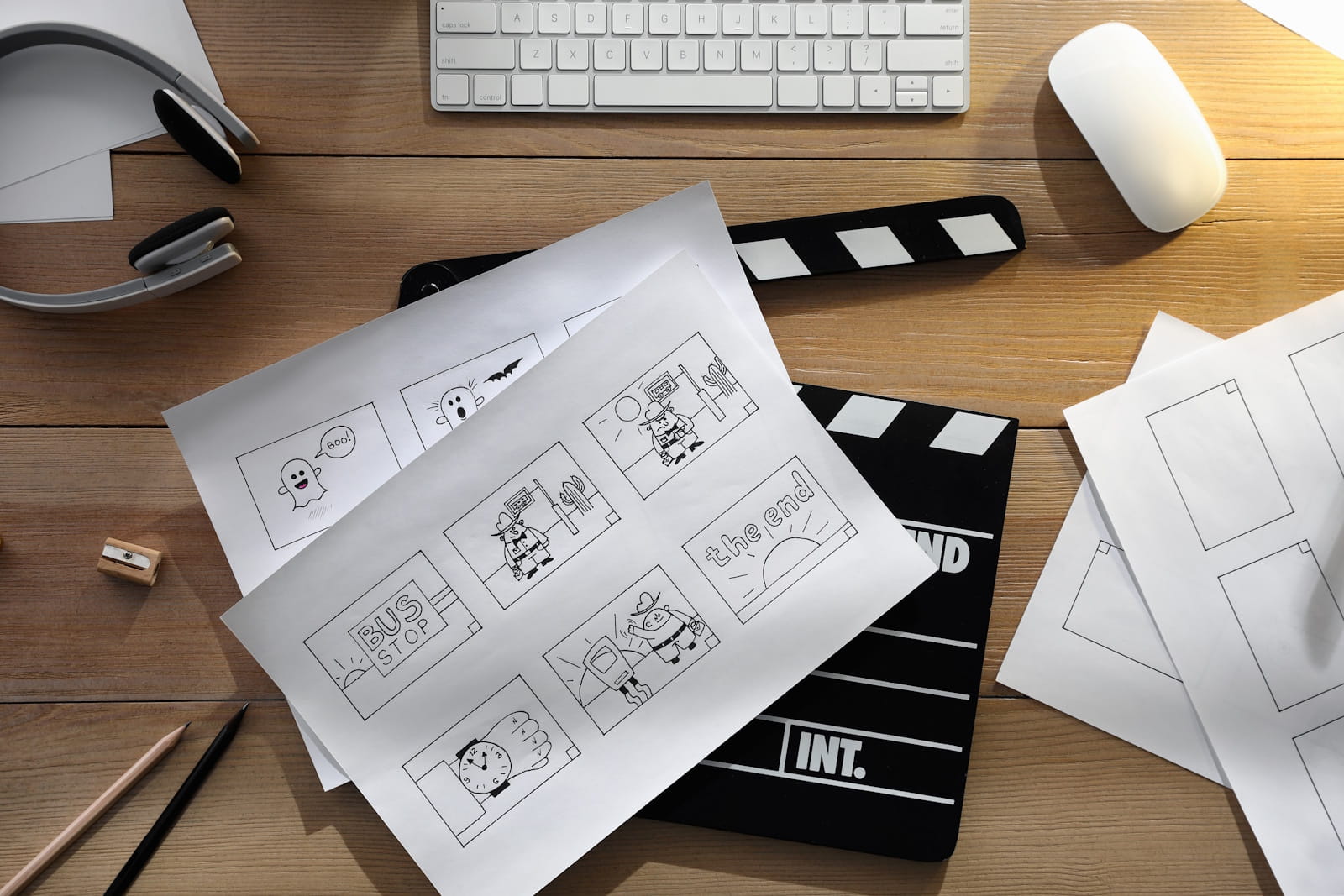
8 Steps to Write an Effective Animation Brief
Animation projects tend to run more smoothly when everyone understands the purpose before discussing visual details. An effective animation brief gives the creative team the direction they need to develop an idea that suits the audience, supports the wider objective and remains practical to produce. It does not need to contain every answer from the beginning, but it should establish the decisions that matter most.
A clear brief also creates a better working relationship. It gives stakeholders a shared reference point for feedback, approvals and delivery expectations, while leaving enough space for creative thinking.
1. Effective Animation Brief: Start With the Purpose
Begin by explaining why the animation needs to exist. Set out the background to the project, the challenge the organisation wants to address and the role the animation will play. It may need to explain a complex process, introduce a new service, support employee learning, raise awareness or encourage a specific response. When the purpose is clear, the production team can make better decisions about the story, format and visual approach.
Avoid beginning with a long list of visual preferences. Style matters, but it should support the purpose rather than lead it. A polished animation can still fall short if it does not answer a real audience need. Describe the outcome you want the work to support and give the project a clear reason for moving forward.
Define the result before defining the style
Think about what success would look like once the audience has watched the animation. The answer may involve a clearer understanding of a topic, stronger confidence in a service or greater interest in taking the next step. Keep this outcome focused. Trying to achieve too many different things in one short animation can weaken the message.
Write the desired result in plain language and make sure the internal team agrees on it. This step often prevents later changes to the script or concept. It also helps the animation team recommend whether the project needs an explainer, training animation, promotional piece or another format.
2. Know Exactly Who the Animation Needs to Reach
An animation should speak to a specific audience, not a broad group described only as customers, employees or the public. Explain who will watch it, what they already know and what they still need to understand. Consider their role, industry, level of experience, location, language needs and likely reasons for watching.
South African audiences may also need content that works across different business environments and viewing conditions. For example, an internal training animation may need clear language, captions and versions that work well on mobile devices. Audience insight helps shape the script, pace, examples, tone and level of detail.
Useful audience information to include in the brief includes:
- The viewer’s role, industry and existing knowledge of the subject.
- The problem, question or task that has brought them to the animation.
- Their likely viewing environment, such as a training session, event, website or mobile device.
- Relevant language, captioning and accessibility requirements.
- The amount of time and attention they are likely to give the content.
These details help the production team decide how to introduce the subject, how much explanation viewers need and how quickly the story should move. A new employee who needs to understand a workplace process will need a different approach from a prospective customer researching a service. Defining the viewing context also helps the team recommend suitable content length and a format that works for the intended channel.
An effective animation brief should explain how the audience is likely to encounter the content. Someone watching during an onboarding session may have more time than someone viewing a short campaign clip on a phone. This affects how much information the animation can realistically communicate.
It is also useful to consider what may prevent the audience from engaging with the message. They may have limited familiarity with the subject, need information in simple language or only have a short opportunity to watch. When the brief acknowledges these realities, the final animation can communicate with greater clarity and relevance.
3. Develop One Clear Key Message and Call to Action
Identify the single message that viewers should remember after watching. If they only retain one idea, it should be the idea that supports the project’s main objective. A focused key message gives the script a centre of gravity and prevents the animation from becoming a collection of unrelated points.
The call to action should follow naturally from that message. Decide what viewers should do next, whether that means visiting a page, speaking to a team member, completing a learning activity, making an enquiry or applying the information in their work. Make the action simple, relevant and realistic for the platform where the animation will appear.
Keep supporting messages under control
You may have several useful points to communicate, but not all of them deserve equal attention. Separate essential information from supporting detail before the scriptwriting process begins. This gives the animation a clearer structure and makes it easier for viewers to follow.
If the project needs to communicate a large amount of information, consider whether a series of shorter animations would work better than one overloaded piece. Clear priorities make it easier to hold attention and protect the main message from being lost.
4. Effective Animation Brief: Set Out the Required Deliverables
List every version of the animation you need before production starts. This may include the main video, shorter edits, different aspect ratios, captioned versions, alternate language versions or versions without sound. Stating these requirements early helps the team plan the production properly and avoid avoidable work later.
Also explain where the animation will appear. It may be used on a website, in internal training, at an event, in presentations or across social media. Each setting can affect the ideal length, format, pacing and technical specifications. A screen at an event and a mobile-first social post do not have the same requirements.
The deliverables section should clearly identify:
- The main version of the animation and its intended running time.
- Shorter versions or cut-downs required for other channels.
- Horizontal, vertical or square versions for the planned viewing platforms.
- Captioned, alternate-language or silent versions where required.
- File formats and any technical specifications provided by the publishing platform.
Planning these outputs from the beginning gives the production team a fuller picture of the work involved. It also helps maintain consistency between versions, so that the main message, brand presentation and call to action remain aligned wherever the animation appears. When teams only identify extra versions after completing the main animation, they can create unnecessary pressure and disrupt the original production schedule.
An effective animation brief should cover practical details such as aspect ratios, file types, caption requirements and any accessibility considerations. You do not need to know every technical term, but you should share the platforms and use cases as clearly as possible.
If some requirements remain uncertain, state that in the brief rather than making assumptions. The animation team can then help identify what needs to be confirmed before production begins. This approach gives the project room to develop while ensuring that essential delivery needs do not become a late-stage issue.
5. Share Existing Content, Brand Assets and Rough Ideas
Provide anything that can help the animation team understand the subject, even if it is incomplete. Useful material may include presentations, product information, early scripts, photographs, sketches, previous videos, existing campaign content or internal documents. Rough ideas often provide valuable context and can spark a stronger creative direction.
Do not wait until every detail is perfect before starting the conversation. The creative team can help turn an early idea into a clear concept, but they need honest information about what is known, what is still uncertain and what must be included. This creates a more constructive planning process from the outset.
Material that can strengthen the creative process includes:
- Existing brand guidelines, including approved colours, fonts, logos and imagery.
- Product information, technical documents or process descriptions.
- Draft scripts, outlines, presentation slides and early messaging.
- Photographs, sketches, moodboards or reference examples.
- Previous campaign material that shows the required tone or visual direction.
- Notes on elements, styles or messages the project should avoid.
Sharing this material helps the animation team understand the organisation’s existing identity and the subject matter behind the project. It also prevents the team from developing concepts based on incomplete information or outdated assumptions. Even a rough sketch or informal note can reveal useful priorities that might not appear in a formal project description.
Brand guidelines should also form part of the brief where available. Share approved colours, fonts, logos, imagery, tone-of-voice guidance and any existing visual elements that the animation should reflect. This helps ensure the final work feels consistent with the wider brand.
At the same time, reference material should guide the project without restricting useful creative thinking. Explain what you like or dislike about each example, rather than expecting an exact copy of it. This gives the animation team enough direction to create work that suits the brand while responding properly to the project’s own objectives.
6. Give Useful Direction on Style, Tone and Audio
Describe the mood and character the animation should have. It may need to feel clear and reassuring, energetic and promotional, serious and instructional, or warm and approachable. Reference material can be helpful when you explain what you like about it, such as its pace, colour palette, storytelling style or level of detail.
It is equally useful to explain what you want to avoid. This could include visual styles that feel unsuitable, messaging that sounds too formal or playful, imagery that does not suit the brand, or approaches that could distract from the purpose. Clear boundaries allow the team to explore confidently within the right direction.
An effective animation brief should also cover audio needs. State whether the project requires voice-over, music, sound effects or captions. If voice-over is needed, explain the preferred language, tone and audience requirements so that audio supports the animation rather than becoming an afterthought.
7. Effective Animation Brief: Be Open About Timelines and Constraints
Share the real deadline, not only an ideal delivery date. If the project supports a launch, event, training programme or internal announcement, explain the reason behind the timing. The animation team can then plan concept development, script approval, design, animation, feedback and final delivery around the available time.
Include important review dates and milestones where possible. Animation develops through stages, and each stage needs timely input before the next one can begin. Early clarity around timing helps avoid rushed decisions and gives everyone a more realistic view of what the project requires.
Be open about practical constraints as well. These may include the available budget range, internal approval processes, limited source material or fixed brand requirements. Honest constraints do not limit good creative work. They help the team recommend an approach that is suitable from the start.
8. Agree on Feedback and Final Approval
Decide who will review the animation and who has authority to approve it. Without a clear sign-off structure, different stakeholders may send conflicting comments that delay the project and make it harder for the team to act with confidence. One coordinated set of feedback is more useful than several separate responses.
Set out the expected review stages and gather internal comments before sharing them with the animation team. Feedback should connect back to the agreed purpose, audience and key message rather than focusing only on personal preferences. This keeps decisions objective and protects the quality of the final work.
A useful feedback and approval process should identify:
- The person responsible for gathering internal comments.
- The stakeholders who need to review each stage.
- The final decision-maker with authority to approve the work.
- The number of planned feedback rounds.
- The dates by which comments and approval need to be provided.
- The criteria reviewers should use when assessing the animation.
This structure helps the production team plan its work with confidence and keeps feedback focused on the project’s agreed objectives. It also makes it easier to resolve differing opinions before they reach the animation team. When one person shares consolidated feedback, the creative process remains clearer, more efficient and less likely to lose direction.
A well-managed effective animation brief gives the team a reliable foundation for collaboration. It clarifies what needs approval, when feedback is due and how the project will move from an early concept to final delivery.
Feedback should improve the animation, not repeatedly change its purpose. Encourage reviewers to refer back to the agreed audience, key message and intended outcome when commenting. This helps everyone make decisions that strengthen the work and supports a smoother route to final approval.
What Can Sound Idea Video Production Provide in Terms of Animation?
At Sound Idea Video Production, we create animation around the industry, audience and purpose behind each project. Our 3D animation services provide immersive, realistic visuals for product demonstrations, architectural visualisations and detailed storytelling. We also produce 2D animation videos that bring ideas to life in a visually appealing way, helping businesses simplify complex concepts and engage their audiences more clearly.
We offer whiteboard animation for educational visual stories that illustrate information and processes through dynamic drawings. Our motion graphics services combine animation, typography and graphics to communicate concepts in an engaging, visually focused way. Whether a project involves explaining safety protocols, simplifying technical training, supporting a marketing campaign or making a lesson more memorable, we apply the animation format that best supports the message.
Create Stronger Animation From the Start
A successful brief does more than organise information. It turns a broad idea into a shared plan that connects the audience, objective, message, style, deliverables and approval process. The clearer these elements are, the easier it becomes to create animation that feels relevant, purposeful and professionally produced.
An effective animation brief gives creative teams the space to solve problems while keeping every decision tied to the project’s goals. If you are planning an animation project and need help shaping the right brief, contact Sound Idea Video Production to discuss your idea and create a clear path towards a strong final result.
FAQs
What is an effective animation brief?
An effective animation brief is a clear document that explains what an animation needs to achieve and how the production team should approach it. It normally covers the project purpose, target audience, main message, preferred tone, style direction, deliverables, timeline and approval process. Rather than dictating every creative detail, a strong brief gives the team enough context to develop the right solution. It also identifies practical requirements early, reducing confusion during production. When everyone agrees on the brief, feedback becomes more focused, decisions become easier and the final animation is more likely to support the organisation’s communication goals successfully.
What information should an animation brief include?
An animation brief should include the reason for the project, the intended audience and the main outcome you want the animation to achieve. It should also identify the key message, desired call to action, distribution channels and required deliverables. Share relevant brand guidelines, existing content, visual references and any styles or themes that should be avoided. Include technical needs such as captions, aspect ratios, alternate versions and audio requirements where relevant. Finally, set out the timeline, review stages, people involved in approvals and final decision-maker. This information gives the animation team a useful foundation for planning, scripting and producing the work.
Why is defining the target audience important in an animation brief?
Defining the target audience helps the animation team decide how to explain the subject, what language to use and how much detail viewers need. A video for experienced professionals should not take the same approach as one for new employees, customers or learners with limited knowledge of the topic. Audience information also affects tone, visual direction, pacing, voice-over choices and the most suitable distribution format. Consider viewers’ roles, existing knowledge, location, language preferences and likely viewing environment. When the animation speaks directly to a well-defined audience, it becomes easier to hold attention and deliver information in a way that feels useful, relevant and clear.
How detailed should an animation brief be?
An animation brief should be detailed enough to give the production team clear direction, but not so restrictive that it removes room for creative problem-solving. Focus first on the purpose, audience, key message, required outcome and practical constraints. Then provide helpful information about style, brand assets, reference material, deliverables and deadlines. You do not need to arrive with a complete script, storyboard or finished concept. Rough ideas, presentation slides, sketches and early messaging can still provide useful context. Be honest about what you know, what needs further discussion and what must remain unchanged. This helps the team ask better questions and develop a suitable approach.
What deliverables should be listed in an animation brief?
List every version of the animation you expect to use, rather than only the main final video. This may include shorter edits, horizontal, vertical or square versions, captioned editions, silent versions, alternate language versions or clips for presentations and internal training. Explain where each version will appear, such as a website, social platform, event screen or learning environment. The intended channel can affect the correct format, length and technical specifications. Identifying these needs early helps the production team plan efficiently and keeps the message consistent across each version. It also reduces the chance of discovering important requirements only after production has finished.