

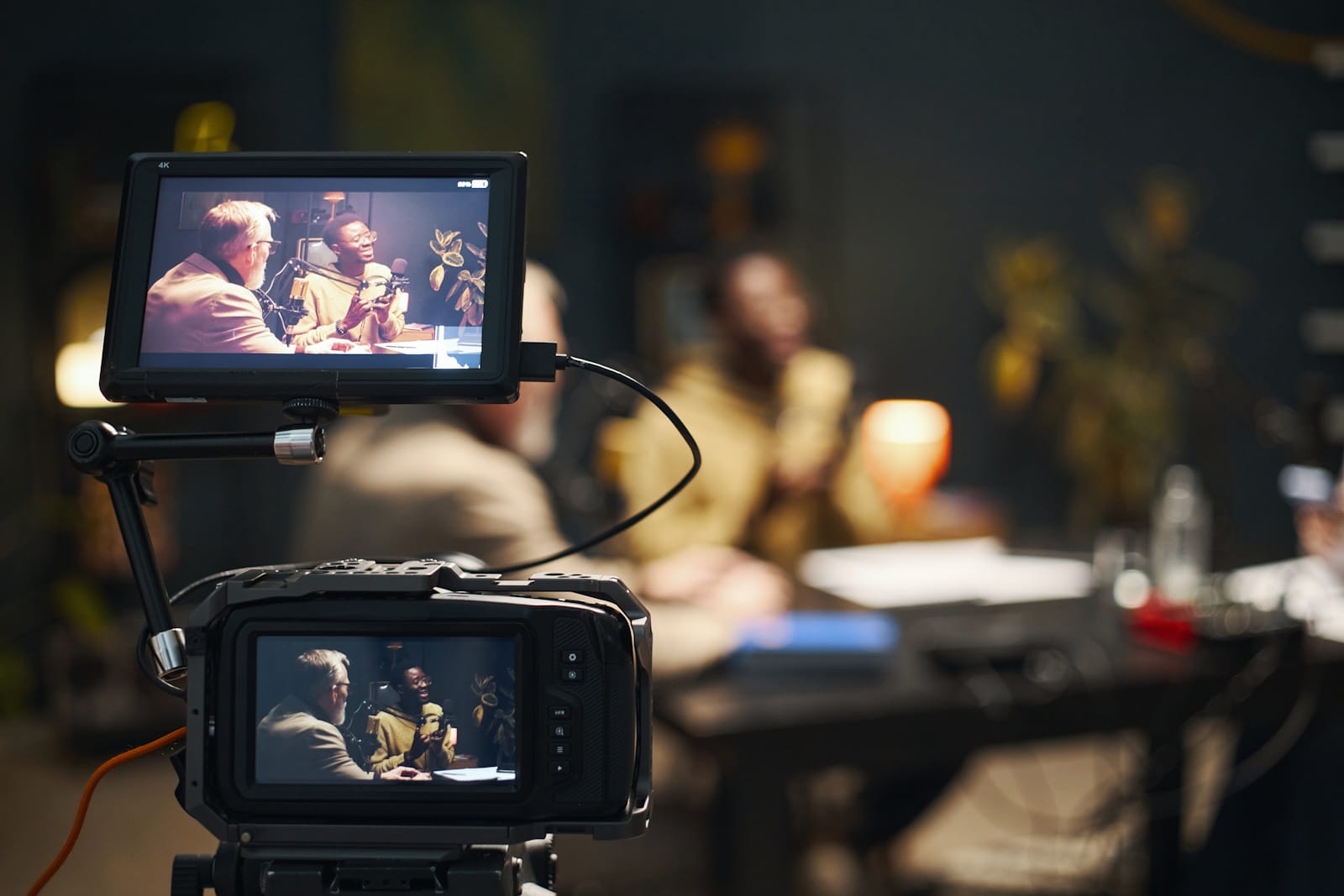
What Happens During Colour Grading After Filming?
Filming captures the raw material, but it rarely delivers the final visual style audiences see on screen. Camera footage often needs careful refinement before it feels polished, consistent and visually engaging, which is why what happens during colour grading plays such an important role in professional video production. Lighting changes, camera settings, lens choices and filming environments can all affect how each shot looks. Colour grading brings these visual elements together so the finished video feels intentional rather than simply recorded, helping every scene contribute to a consistent and compelling viewing experience.
For business videos, visual quality directly influences how audiences perceive the organisation behind the content. A corporate video, training film, testimonial or promotional piece should look cohesive, natural and aligned with the brand’s identity. Professional colour grading enhances storytelling, strengthens brand consistency and creates a polished finish that helps businesses communicate with greater confidence, regardless of where the video is viewed.
What Is Colour Grading in Post-Production?
Colour grading is the creative post-production process used to shape the final look of a video after editing has taken place. It comes near the end of the workflow, once the footage has been selected, arranged and approved. At this stage, the colourist works with the finished sequence to refine the appearance of each shot, ensuring that the video feels visually connected from beginning to end. Rather than making broad adjustments, every change is carefully considered so the overall look supports the purpose of the production while maintaining consistency across every scene.
The main purpose of colour grading is to enhance mood, reinforce storytelling and create a consistent visual style across the full production. What happens during colour grading is different from simply fixing technical issues because the process also considers how the audience should feel while watching. A warm, natural grade may make a company profile feel welcoming, while a cleaner, more neutral look may suit training or executive communication. The finished result should feel polished, authentic and aligned with the objectives of the video rather than drawing attention to the grading itself.
The Difference Between Colour Correction and Colour Grading
Colour correction comes before colour grading and focuses on technical accuracy. During this stage, exposure, contrast, white balance and colour consistency are adjusted so that footage looks clean, balanced and natural. If one shot looks too blue, another appears too yellow or one camera angle is noticeably darker, colour correction helps bring everything to a reliable starting point. This technical process creates consistency throughout the production and removes distractions that could reduce the overall quality of the finished video.
Colour grading then builds on that corrected foundation by introducing a creative style. This is where the footage gains its final tone, visual personality and emotional direction. What happens during colour grading is more strategic than applying a filter because every adjustment should support the message, audience and purpose of the video without making the image feel artificial or distracting. Together, colour correction and colour grading ensure the footage is both technically accurate and visually engaging.
What Happens During Colour Grading: Preparing Footage Before Colour Grading Begins
A professional grading process begins with careful preparation. Editors usually finalise the video sequence before grading starts so that time is not spent refining footage that will later be removed. The timeline is cleaned, media files are organised and the highest-quality camera footage is prepared for the colourist. This organised approach creates a smoother workflow, reduces unnecessary revisions and allows more time to be spent refining the creative aspects of the production rather than resolving avoidable technical issues.
Preparation also includes checking whether footage has been captured using recording formats that preserve additional highlight and shadow detail for post-production. Although these files often appear flat before grading, they provide greater flexibility when refining the image later in the workflow. What happens during colour grading is significantly more effective when the footage has been properly organised, accurately exposed and prepared for creative refinement, allowing the colourist to focus on enhancing the final visual experience rather than correcting preventable problems.
Creating Consistency Across Different Cameras and Locations
Modern video productions are rarely filmed using a single camera in one controlled environment. A corporate production may combine interviews, facility footage, drone shots, product demonstrations and supporting visuals captured over several days. Even when experienced camera operators use carefully matched settings, differences in camera sensors, lenses, lighting conditions and weather can create noticeable variations between shots. Without careful refinement, these inconsistencies can make the finished production feel disconnected and less professional.
Creating visual continuity is one of the most valuable aspects of professional post-production. What happens during colour grading includes carefully analysing every shot and adjusting exposure, contrast and colour so that transitions feel seamless regardless of where or when the footage was captured. The objective is to ensure the audience remains focused on the message rather than noticing changes in brightness, colour or image quality between scenes.
What Happens During Colour Grading: Creating the Right Mood Through Colour
Colour is one of the most effective storytelling tools available in video production because it influences how audiences feel about a scene without changing the content itself. Warm colour palettes can make a business appear approachable and energetic, while cooler tones often communicate professionalism, stability and focus. Softer colours may create a relaxed atmosphere, whereas richer colours can add excitement and visual impact when highlighting products, services or important moments.
Professional colourists carefully select colour treatments that support the purpose of the production rather than overpower it. What happens during colour grading involves making deliberate creative decisions that strengthen the emotional tone of a video while preserving a natural appearance. Instead of relying on dramatic effects, subtle refinements help viewers connect with the story, improve audience engagement and create a polished visual experience that remains effective long after the video has been published.
What Happens During Colour Grading: Using Colour Grading to Reinforce Brand Identity
Every business works to establish a recognisable brand, and video content should reinforce that identity just as consistently as websites, printed material and digital marketing campaigns. Colour grading contributes to this by creating a cohesive visual style across different productions, ensuring that videos produced months or even years apart still feel like they belong to the same organisation. Consistent colour treatment helps audiences develop familiarity with a brand while presenting the business in a polished and professional manner.
For many organisations, what happens during colour grading also includes aligning the overall appearance of a video with the company’s visual identity without making the colours appear exaggerated or unnatural. Rather than forcing every image to match a specific colour palette, professional colourists create balanced visuals that complement branding while maintaining authenticity. This approach strengthens recognition, improves consistency across marketing channels and helps every video contribute to a unified brand image.
Enhancing Skin Tones Without Looking Artificial
People naturally pay attention to faces before almost anything else in a video, making realistic skin tones one of the highest priorities during professional colour grading. Even minor colour shifts can make someone appear tired, unhealthy or unrealistic, affecting how viewers perceive both the individual and the organisation they represent. Maintaining accurate skin tones creates a more authentic viewing experience and encourages audiences to focus on the speaker’s message rather than the image itself.
Professional colourists refine skin tones with precision instead of making broad adjustments across the entire frame. What happens during colour grading often includes isolating faces so exposure, colour and saturation can be adjusted independently from the background. This careful approach allows the surrounding environment to be enhanced while preserving natural complexions, making it particularly valuable for interviews, executive communications, customer testimonials, recruitment videos and employee training content.
Working with High-Quality Camera Footage and Selective Colour Adjustments
Professional productions are often filmed using recording formats that preserve a greater amount of image information than standard camera settings. Although this footage may initially appear flat and lacking in contrast, it contains significantly more detail within both highlights and shadows. This additional information provides greater flexibility during post-production, allowing colourists to recover detail, improve tonal range and create richer, more refined images without compromising overall image quality.
These recording formats also provide greater control when applying creative adjustments because more visual information has been captured during filming. What happens during colour grading becomes considerably more precise when colourists can work with footage that retains subtle colour transitions, fine textures and a broader range of brightness values. This creates a stronger technical foundation for achieving professional results while preserving the natural appearance of the original footage.
Professional colourists commonly use selective adjustments to enhance specific parts of an image without affecting the entire frame. These targeted refinements improve visual focus while maintaining a realistic appearance throughout the production.
- Brighten faces without affecting the surrounding environment.
- Improve the appearance of products and important objects.
- Refine skies while preserving foreground detail.
- Reduce distractions within backgrounds.
- Enhance individual colour ranges without changing the whole image.
- Improve local contrast around key subjects.
- Balance lighting within selected parts of the frame.
- Direct the viewer’s attention towards important visual elements.
- Maintain natural-looking colours throughout every adjustment.
- Preserve consistency while strengthening the overall composition.
Selective colour adjustments allow colourists to make sophisticated improvements that would be impossible using global corrections alone. Rather than changing every part of the image equally, these techniques ensure each scene receives exactly the level of refinement it requires. This results in cleaner visuals, stronger storytelling and a finished production that appears polished without ever feeling overprocessed.
By combining carefully prepared camera footage with precise local adjustments, colourists can produce videos that remain visually balanced from beginning to end. These refinements help businesses present products, people and environments at their very best while ensuring every frame contributes to a professional viewing experience across websites, presentations, marketing campaigns and internal communications.
Reducing Visual Distractions and Applying Cinematic Looks
Even the most carefully planned productions can contain small visual imperfections that become noticeable once the edit is complete. Uneven lighting, minor colour casts, distracting backgrounds and slight exposure differences may seem insignificant on their own, but together they can reduce the overall quality of the finished video. Professional colour grading addresses these issues through subtle refinements that create a cleaner and more cohesive visual presentation while preserving the authenticity of the original footage.
Creating a polished image is about much more than making footage look dramatic. What happens during colour grading includes carefully identifying distractions that compete with the main subject and reducing their visual impact without making the image appear artificial. This measured approach helps viewers remain focused on the people, products and messages that matter most, resulting in a more engaging and professional viewing experience.
Professional colourists commonly refine the following elements during this stage:
- Reduce unwanted colour casts caused by inconsistent lighting.
- Minimise distractions created by overly bright backgrounds.
- Balance exposure between foreground and background elements.
- Refine contrast to improve subject separation.
- Soften harsh lighting without losing natural detail.
- Reduce the visual impact of minor inconsistencies between shots.
- Improve colour harmony throughout the frame.
- Enhance important subjects without overprocessing the image.
- Create a cinematic appearance using subtle adjustments.
- Maintain a natural, timeless visual style suitable for business communication.
Once these refinements have been completed, every scene appears cleaner and more intentional. Viewers are less likely to notice technical inconsistencies because their attention is naturally guided towards the story being told. This improves the overall viewing experience while helping businesses present themselves in a confident and professional manner across every platform where the video is shared.
Professional cinematic grading is rarely achieved through heavy filters or exaggerated effects. Instead, it relies on controlled, deliberate adjustments that enhance the natural qualities of the footage while preserving realism. This balanced approach creates videos that remain visually appealing for years, ensuring the production continues to support marketing, training and corporate communication objectives long after it has been completed.
Software Used for Professional Colour Grading and Quality Control Before Final Export
Professional colour grading is carried out using advanced post-production software that gives colourists precise control over every aspect of the image. These professional applications make it possible to refine exposure, contrast, colour balance and individual areas of the frame while maintaining consistency throughout the production. They also support professional colour management workflows, helping ensure the finished video displays accurately across websites, social media platforms, presentations and broadcast channels.
The work does not end once the creative look has been achieved. What happens during colour grading also includes a thorough quality control process before the final export is delivered. Every project is reviewed carefully to confirm that colours remain consistent between scenes, skin tones appear natural, highlights and shadows retain appropriate detail, graphics integrate seamlessly and the finished video performs well across a range of viewing devices. This final review helps ensure clients receive a polished production that is ready for immediate use.
Why Professional Colour Grading Adds Long-Term Value
Professional colour grading is much more than a finishing touch because it improves both the visual quality and the long-term value of a video. A carefully graded production creates a stronger first impression, reinforces professionalism and helps audiences engage more naturally with the message. Whether a business is producing marketing videos, employee training, customer education or executive communications, polished visuals contribute to greater credibility and a more memorable viewing experience.
The long-term benefits extend well beyond the initial release. What happens during colour grading helps create video assets that remain visually relevant for years because the emphasis is placed on natural, balanced imagery rather than short-lived trends. Businesses that invest in professional post-production gain content that can be reused across multiple platforms while continuing to reflect the quality, consistency and professionalism of their brand.
What Video Production Services Include Post-Production Colour Grading?
Post-production colour grading adds value to almost every type of professionally produced video because it creates visual consistency, strengthens storytelling and ensures the finished production reflects the highest possible standard. At Sound Idea Video Production, we integrate professional colour grading into our post-production workflow across our full range of video production services, ensuring every project benefits from a polished and cohesive visual finish. Whether we are producing safety induction videos for hazardous industries, marketing videos that showcase products and services, corporate videos that strengthen stakeholder communication, training videos developed for eLearning, documentary productions, animation videos, motion graphics videos, explainer videos, employee induction videos, web videos, company launch videos or drone videos, we ensure the final visuals are refined to suit the purpose of each production. What happens during colour grading is an important part of this process because it helps every video communicate more effectively while maintaining a consistent and professional appearance.
Our end-to-end production process allows us to manage every stage of a project, from planning and filming through to editing and final post-production, giving our clients confidence that every detail is handled by an experienced team. We produce bespoke video content for businesses across a wide range of industries, tailoring every project to its specific objectives while applying professional colour grading where appropriate to enhance the finished result. Whether we are filming in complex industrial environments, developing engaging marketing campaigns, creating onboarding content for new employees or producing visually compelling aerial footage, we ensure our post-production process complements the unique requirements of each production. By combining our extensive production experience with professional colour grading, we deliver videos that are visually consistent, engaging and ready for websites, social media, presentations, internal communications and broader marketing campaigns.
Bringing Every Frame to Its Full Potential
Producing exceptional video involves far more than recording high-quality footage. Every stage of post-production contributes to the final result, but what happens during colour grading is where technical precision and creative vision come together to create a polished, consistent and engaging production. From balancing exposure and matching cameras to reinforcing brand identity and refining subtle visual details, colour grading ensures every frame supports the video’s message while reflecting the highest professional standard.
At Sound Idea Video Production, we believe every frame should communicate quality, professionalism and purpose. We work closely with our clients throughout the production and post-production process to create videos that are visually consistent, engaging and aligned with their objectives. Whether you need a corporate video, safety induction programme, marketing campaign, training content, animation or documentary production, we can help bring your vision to life with professional post-production colour grading. Contact us today to discuss your next project and discover how we can help your video achieve its full potential.
FAQs
What happens during colour grading after filming?
After filming and editing have been completed, colour grading refines the visual appearance of the entire video. A colourist adjusts exposure, contrast, colour balance, saturation and other image characteristics to create a consistent and polished final look. The process also helps establish the mood, strengthen storytelling and ensure every shot matches, even if the footage was captured on different cameras or under changing lighting conditions. Professional colour grading can include selective adjustments to individual areas of a frame, resulting in a natural, high-quality finish that improves audience engagement and enhances the overall production value of the completed video.
Can colour grading improve footage that was filmed in poor lighting?
Colour grading can significantly improve footage captured in challenging lighting conditions, but it cannot completely repair severely underexposed, overexposed or poorly recorded video. Professional colourists can recover highlight and shadow detail where possible, balance colour temperature, reduce unwanted colour casts and create greater consistency throughout the production. However, the quality of the original footage still determines how much improvement is possible. Well-planned filming combined with professional colour grading produces the strongest results because more image information is available to refine during post-production, allowing the finished video to appear cleaner, more natural and visually consistent throughout.
Why is colour grading important for corporate and marketing videos?
Corporate and marketing videos represent a business, making visual quality an important part of how audiences perceive the organisation. Colour grading creates consistency across every scene while reinforcing brand identity and improving the overall viewing experience. Professionally graded videos appear more polished, making products, services and people look their best without appearing artificial. Consistent colour treatment also strengthens storytelling by supporting the intended mood and directing attention towards key messages. Whether a video is used for websites, presentations, social media or internal communication, colour grading helps deliver content that reflects professionalism and builds greater confidence with viewers over time.