

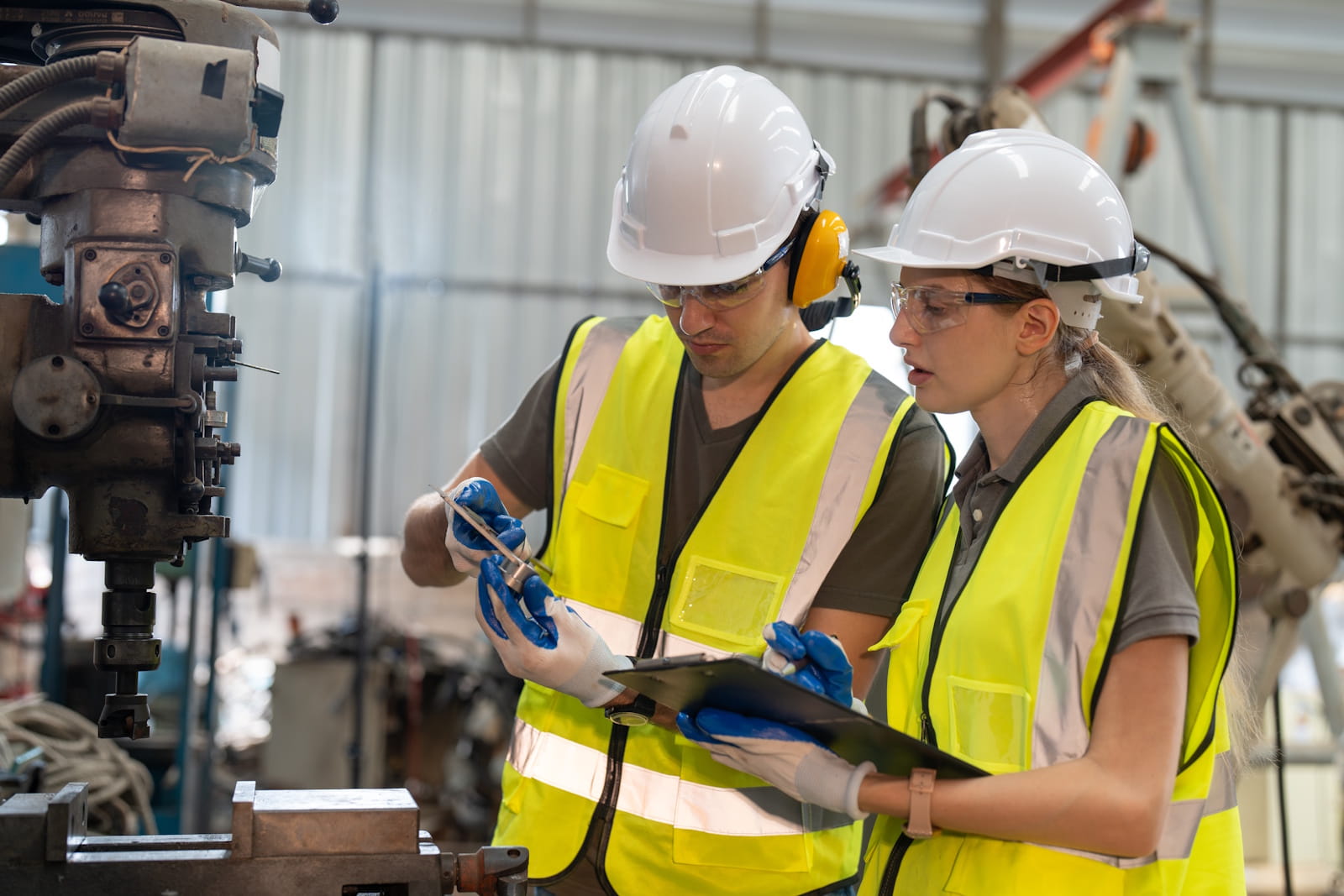
How to Film Manufacturing Safety Training Without Disrupting Tasks
Effective manufacturing safety training connects approved procedures with the situations employees encounter on the factory floor. Filming those situations requires careful coordination because cameras, demonstrations and employee participation can compete with production priorities. Understanding the factory’s daily routines helps identify where recording can take place safely, which employees need to participate and which scenes require separate arrangements.
Reducing disruption depends on clear objectives, agreed access and realistic recording windows. Some scenes can be filmed while surrounding operations continue, whereas others require an approved stoppage or isolation. Making these distinctions early helps protect production schedules, maintain employee concentration and prevent filming arrangements from introducing additional hazards.
Understanding the Factory’s Production Schedule
Production schedules reveal more than when machinery operates. Shift patterns, deliveries, maintenance and order deadlines influence when people and locations become available. Before scheduling manufacturing safety training, the producer should review these details with the production manager and identify suitable filming windows.
Each filming appointment should allow for access checks, setup, recording and clearing the area. A short demonstration may need additional preparation if equipment conditions must be verified. Shift changes and breaks should be assessed individually because handovers, pedestrian traffic and essential rest can make these periods unsuitable.
Defining the Training Objectives Before Filming
Start with the factory’s current risk assessments and approved procedures to identify the hazards, precautions and employee actions the video needs to explain. A refresher may cover pedestrian routes, protective equipment and emergency reporting, while separate demonstrations address role-specific tasks. South African workplace safety legislation includes employer duties concerning necessary information, instruction, training and supervision; video can support these duties alongside practical instruction and competence checks.
Before filming, agree what employees should be able to recognise or do after viewing the content. This gives each scene a clear purpose, helps technical reviewers assess accuracy and shows which staff, locations and equipment must be available. A concise objective list could include:
- Identify hazards in each relevant production area.
- Demonstrate approved procedures and protective equipment.
- Explain emergency actions, reporting routes and role-specific responsibilities.
- Flag scenes that need equipment access, a planned stoppage or specialist review.
Once these priorities are clear, the team can remove repeated explanations and avoid recording footage that does not serve a training need. Objectives also help estimate filming time and coordinate activity with daily operations.
Factory representatives should review the objectives before approving scripts, particularly where procedures vary by department or shift. This check helps keep the video aligned with current instructions and makes clear how it supports other forms of training.
Conducting a Site Visit and Planning Filming Locations
An advance visit establishes how recording could affect the people and processes around each location. Camera positions, lighting, noise and access restrictions should be assessed with factory representatives. For manufacturing safety training, the visit should also confirm whether required actions can be shown clearly from a safe, approved position.
The assessment must account for deliveries, neighbouring machinery and vehicle movements. A location suitable early in the morning may become inaccessible later. Agreed crew waiting areas, equipment positions and movement routes reduce uncertainty; site-specific hygiene and confidentiality requirements should be resolved before recording.
Preparing Scripts and Detailed Shot Lists
Approved scripts connect each safety message to the action employees need to understand. Technical specialists should check the wording against current procedures, including the correct sequence, precautions and reporting requirements. This preparation reduces improvisation and helps participants demonstrate familiar tasks without repeatedly stopping to clarify what the recording requires.
The shot list should identify each scene’s location, participant, equipment, required machine condition and estimated duration. Grouping scenes by factory area reduces repeated setups and unnecessary movement. For example, approved footage of signage, pedestrian routes and protective equipment can be captured during the same visit to an available area. Although recording may follow location availability, the finished video must present the procedure logically and preserve every essential step.
Coordinating Manufacturing Safety Training With Factory Teams
Production managers, supervisors, safety personnel and the video producer should agree on responsibilities before manufacturing safety training is filmed. The plan should identify who confirms access, approves demonstrations and communicates changes. A designated factory contact can prevent conflicting instructions and ensure operational decisions remain with the appropriate personnel.
The crew needs an induction covering site hazards, emergency arrangements, protective equipment and permitted routes. A daily briefing should confirm current conditions and any plan changes.
Key coordination arrangements include:
- Confirm access permissions, induction requirements and restricted areas.
- Agree on filming windows, designated contacts and how schedule changes are shared.
- Define who reviews scripts and demonstrations for operational and safety accuracy.
- Set pause, relocation and rescheduling procedures if conditions change.
Share these arrangements with supervisors and participating employees before filming. A short briefing can confirm where the crew will work, who is needed and how to reach the factory contact, helping normal duties continue with clear lines of communication.
After each filming block, the contact and factory representative can confirm whether the next location remains available. If conditions change, the crew should wait for approval before moving or setting up elsewhere. This keeps access controlled as production priorities shift.
Scheduling Employee Participation Around Shift Responsibilities
Experienced employees can demonstrate procedures clearly, but their involvement must not leave essential workstations inadequately covered. Supervisors should select suitable participants, confirm their availability and arrange competent cover where necessary. Advance briefings give employees time to understand the demonstration without distracting them during their normal duties. Participants should know where to report, what they will demonstrate and who will confirm that they can leave their workstation.
Short appointments are generally easier to coordinate than keeping several participants waiting throughout the day. Each slot should include preparation, recording and a controlled return to work. Realistic scheduling also reduces pressure to rush demonstrations, skip required checks or sacrifice rest periods to keep filming on schedule.
Planning Machinery Demonstrations and Equipment Access
The required equipment condition determines how each machinery scene can be recorded. Normal operation viewed from an approved position differs from cleaning, maintenance or access to hazardous components. Authorised factory personnel should define these conditions before manufacturing safety training is filmed, including any permissions, supervision and protective controls required.
Approved maintenance windows or planned stoppages may provide suitable opportunities, but stopped machinery is not necessarily safely isolated. Unexpected movement and stored energy remain important considerations. Demonstrations must follow the factory’s isolation and return-to-service procedures, and guards or protective measures must never be bypassed to improve visibility.
Managing Camera Equipment and Crew Movement
Filming brings additional people, stands, lighting and cables into a workplace organised around production tasks. Equipment positions must preserve walkways, emergency access and vehicle routes. The crew should remain in approved areas, with movement between zones coordinated through the factory contact. Provisional British data recorded 18 manufacturing worker fatalities in 2025/26; although these figures are for Great Britain, they underline the need to control factory hazards during filming.
Before equipment reaches the factory floor, agree where it can be unloaded, stored and set up. A site representative should confirm that proposed positions suit the area’s operating conditions.
A location plan should identify:
- Approved camera positions and equipment staging points.
- Clear walkways, emergency exits, safety equipment and vehicle routes.
- Permitted pedestrian paths between filming locations.
- The person to contact before moving equipment or entering another zone.
Use approved pedestrian routes, stay outside restricted zones and obtain permission before entering another production area. A small crew and simple setup can reduce the space needed and make adjustments easier if activity nearby changes.
If equipment obstructs access or distracts employees, pause recording and adjust under site instructions. At the end of a scene, remove or secure equipment and confirm that walkways and emergency routes are clear before the area returns to normal use.
Making Manufacturing Safety Training Clear in Noisy Areas
Machinery noise can obscure spoken instructions and lead to repeated takes that consume valuable operating time. Recording an approved demonstration visually, then adding a separately recorded voice-over, often provides a practical alternative. Close-ups and carefully timed graphics can connect each instruction to the relevant action without requiring silence throughout the factory.
Hearing protection must remain in place wherever required, regardless of recording preferences. Captions and language versions should be planned before filming, with terminology checked by suitable reviewers. Any alarm or sound that forms part of the procedure also needs clear explanation so that important information survives the editing process.
Using Animation for Procedures That Are Difficult to Film
Internal machinery, invisible hazards and dangerous incidents can be difficult or inappropriate to demonstrate physically. Animation can explain these details while real factory footage establishes the workplace context. Combining the formats may reduce equipment access requirements and avoid staging scenarios that would distract employees or introduce unnecessary risk.
Factory specialists should review the proposed visuals and completed sequences for technical accuracy. Simplification must preserve the meaning of safeguards, movement and procedural steps. Dangerous events should be clearly presented as illustrations, while the accompanying explanation should identify the approved actions employees are expected to follow.
Allowing for Production Changes and Filming Delays
Urgent orders, equipment faults and unavailable employees can alter even a carefully prepared schedule. Alternative scenes should therefore be identified before manufacturing safety training begins. Approved interviews, location footage or demonstrations in another available area can provide useful options when the original sequence becomes impractical.
Flexibility still requires clear authority and boundaries. The plan should identify who can move filming, which permissions need reconfirming and when rescheduling is necessary. Contingency time helps accommodate routine adjustments, but a changed location or machine condition must be assessed before the crew proceeds with recording.
Reviewing Footage Before Leaving Each Production Area
A brief review at each location can reveal technical gaps while the crew, employees and equipment are still available. Check that important actions are visible, labels can be read, instructions are audible or can be supported with voice-over, and shots are not obscured by people or materials. This confirms coverage and clarity; approval of the complete edit can follow later.
Factory reviewers should confirm that the recorded actions match the approved procedure and accurately show the equipment’s condition, the protective measures in place and the correct sequence of each step. They should also check that no important action is obscured, omitted or shown out of order, so viewers can follow the procedure clearly from start to finish.
A scene checklist can cover:
- The procedure in the correct order, including key actions and controls.
- Clear views of relevant labels, equipment and protective equipment.
- Necessary close-ups and explanatory details.
- Usable audio or visual coverage for narration, captions or graphics.
If something is missing, decide whether it can be recorded safely while the location and participants remain available. Any additional take must follow the original permissions and controls. If conditions are no longer suitable, document the gap and schedule another approved window.
Before leaving, the factory representative and producer should record which scenes are complete, which need follow-up and who will review them. This supports editing and avoids unnecessary return visits or informal recording outside the agreed plan.
Approving and Updating Manufacturing Safety Training
Technical approval must include the completed edit because narration, graphics and transitions can change how a procedure is understood. Reviewers should check that instructions match the visuals and that no essential step disappears between shots. Translated narration and captions require equivalent checks to preserve the meaning of the approved content.
A named content owner and recorded procedure version make future reviews easier to manage. Changes to equipment, layouts or working methods should trigger reassessment of the affected material. Videos organised around focused subjects can also make individual updates more practical than repeatedly revising one lengthy recording covering the entire factory.
Case Study: Planning a Factory-Wide Safety Refresher
A manufacturing company wants a refresher video reminding all staff about pedestrian routes, protective equipment, emergency arrangements and safe working practices. The manager wants recording to avoid interruptions and distractions around active production lines. They begin brainstorming how filming could fit around existing routines without drawing employees away from essential work.
The manager researches practical filming arrangements, then meets supervisors and the safety team to define the required content. A site visit identifies approved camera positions, while brief employee appointments are planned around competent cover. Separate narration reduces the need for quiet recording conditions, and animation is considered for dangerous scenarios. Equipment demonstrations requiring additional controls are reserved for approved windows.
In this scenario, planning identifies opportunities to capture general scenes from designated positions while surrounding work continues. Equipment demonstrations still need approved access, and the proposed crew positions must preserve vehicle routes and employee concentration. The manager’s next steps are to approve the script, confirm permissions and agree on alternative scenes, with technical review scheduled before the crew leaves each area.
Which Safety Video Production Service Should I Hire for Manufacturing Safety Training?
Sound Idea Video Production is a strong choice for manufacturing safety training because its safety video services can address different risks, roles and learning needs across a factory. Risk assessment videos can show how to recognise hazards and follow preventive measures. Safety induction videos can introduce employees, contractors and visitors to site rules, emergency arrangements and safe movement, while compliance training videos can explain applicable requirements and approved workplace practices.
Our other services can extend the video’s usefulness in specific ways. Emergency response content can show site-approved steps, toolbox talks can reinforce focused topics, and multilingual versions can help make instructions accessible to a diverse workforce. Our services include:
- Risk assessment videos: Explain hazards, risk considerations and preventive measures in production areas.
- Emergency response training videos: Demonstrate alarms, evacuation and reporting; 3D accident recreation can illustrate consequences without staging an incident.
- Safety induction videos: Introduce site rules, hazard recognition, safe routes and workplace expectations.
- Compliance training videos: Present relevant requirements, standards and approved internal practices.
- Toolbox talk videos: Reinforce topics such as safe material handling through short team reminders.
- Multilingual capabilities: Provide versions in the languages needed by employees across roles and locations.
- 3D animation integration: Visualise internal machinery or high-risk scenarios that cannot be filmed safely.
- PPE and equipment handling videos: Demonstrate selection, inspection, correct use and care.
Our services can form one coherent video or focused modules for different teams. Live footage can show the actual factory and approved work practices, while animation explains details that are difficult to film; toolbox talks can revisit individual topics and multilingual versions can support consistent delivery.
We can combine live action, animation and these subject-specific formats around the factory’s procedures and operating conditions. Factory personnel should review scripts and demonstrations for accuracy, while the production plan accounts for access, employee availability and operational priorities.
Planning Effective Training Around Production Priorities
Accurate manufacturing safety training depends on preparation that respects both the procedure and the working environment. We can reduce avoidable disruption by agreeing on objectives, coordinating employee participation and matching each demonstration to approved conditions. Careful review then helps ensure the finished video communicates the intended instructions clearly.
Contact us to discuss your factory’s procedures, production schedule and refresher requirements. We can help plan suitable recording arrangements and content formats that support practical understanding while fitting around your daily operations.
FAQs
How Can Safety Videos Be Filmed Without Stopping Production?
Start by reviewing the factory schedule with production managers and identifying suitable locations and filming windows. Record scenes that do not require equipment access during quieter periods or from approved positions away from active tasks. Prepare scripts, shot lists and employee appointments in advance to reduce waiting and repeated takes. Keep the crew small, use designated routes and agree on who can pause or relocate filming if priorities change. Some demonstrations may require a planned stoppage or isolation; these should follow authorised site procedures. Careful coordination can reduce interruptions, but filming must always fit the factory’s operating and safety requirements.
What Should Be Planned Before Filming Manufacturing Safety Training?
Begin by defining the hazards, procedures and behaviours the training needs to address. Use current risk assessments and approved workplace instructions, then ask relevant factory personnel to check the proposed content. Arrange a site visit to assess filming locations, noise, access restrictions, equipment conditions and nearby activity. Prepare scripts and shot lists that identify each scene, participant, location and required setup. Coordinate availability with production managers and supervisors, including any cover required for employees taking part. Confirm induction requirements, permissions, review responsibilities and alternative scenes in case production needs change. This preparation helps the crew use filming time efficiently while keeping operational decisions with factory personnel.
Can Employees Take Part in Filming During Their Shifts?
Employees can participate during their shifts if supervisors confirm that their involvement will not leave essential tasks or workstations without suitable cover. Schedule brief appointments around operational needs, and tell participants beforehand where to report, what they will demonstrate and how long they may be required. Allow time for preparation, filming and a safe return to work. Do not assume breaks or shift changes are convenient, as these periods may involve handovers, higher pedestrian activity or necessary rest. If an employee becomes unavailable, move to another approved scene or reschedule. The filming plan should never encourage rushed work or skipped safety checks.
How Should Machinery Demonstrations Be Filmed Safely?
First, identify the equipment condition needed to show the procedure accurately. Factory personnel authorised to manage the machine should determine whether a demonstration can be filmed during normal operation, a planned stoppage or an approved maintenance window. Follow site requirements for permissions, isolation, supervision and protective controls. A stopped machine is not automatically safe to access, and stored energy or unexpected movement may remain a hazard. Never bypass guards or safeguards to improve a camera view. Plan camera positions in advance and capture close-ups from approved locations. If conditions change, pause filming and ask the responsible factory contact to reassess the arrangements before recording continues.
How Can Training Videos Be Clear in Noisy Factory Environments?
Machinery noise can obscure speech and lead to repeated takes that use valuable production time. One practical option is to film the approved procedure visually and record the narration separately in a quiet setting. Close-ups, captions and graphics can connect instructions to the actions shown, while multilingual versions may help serve a diverse workforce. Any alarms or sounds that carry safety meaning should still be explained clearly. Employees and crew must follow hearing protection requirements while on site; recording needs do not justify removing protective equipment. Have factory reviewers check that captions, narration and visuals communicate the approved procedure accurately and consistently.
How Can Manufacturers Choose a Safety Video Production Service?
Look for a provider that can plan around factory schedules, follow site access requirements and work with designated safety and production contacts. Ask how the team prepares scripts, shot lists, employee appointments and alternative scenes if operations change. Discuss the available formats, such as live action, animation, multilingual versions, induction content, emergency response demonstrations, risk assessment videos and focused toolbox talks. Request examples relevant to industrial training, and clarify who checks technical accuracy before filming and approves the completed video. A suitable provider should respect factory personnel’s authority over safety and operational decisions and explain how it will manage crew movement and equipment on site.