

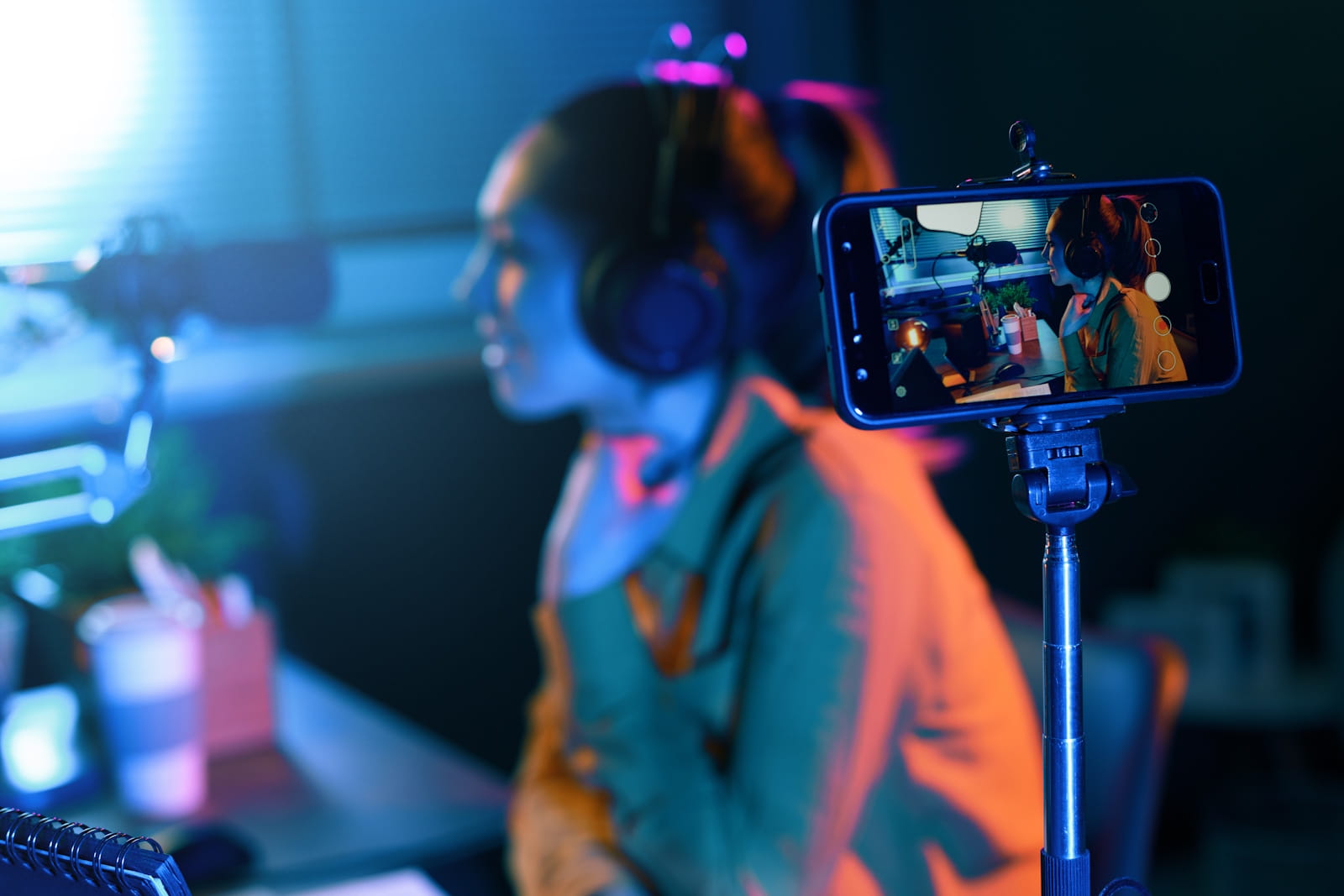
Professional Livestreaming Guide From Video Production Agencies
Professional livestreaming helps people watch an event in real time from wherever they are. For businesses, schools, conferences, training sessions, launches, performances and internal communications, it creates a polished way to reach people who cannot attend in person. Many video production agencies now offer livestreaming because it combines filming, sound, internet delivery, graphics and event planning into one carefully managed service.
A good livestream should feel smooth, clear and easy to watch. It should not feel like someone simply pointed a camera at a stage and hoped for the best. Behind every successful livestream is a structured process that includes planning, content capture, production management, connectivity and audience engagement. Understanding how these elements work together helps organisations make informed decisions when planning their own events and choosing the right production partner.
How Professional Livestreaming Works From Start To Finish
Professional livestreaming may look simple from the viewer’s perspective, but several interconnected stages work together behind the scenes. Every successful broadcast starts with a clear understanding of the event, the audience and the desired outcome. Whether the goal is to educate, inform, entertain or engage, each element of the production must support that objective from the beginning.
Many video production agencies follow a structured workflow because it reduces technical risks and creates a more polished experience. Rather than approaching livestreaming as a single activity, they break it into distinct stages that help ensure quality control throughout the production process. This approach allows teams to identify potential issues before they affect viewers and helps create a smoother event from start to finish.
The typical livestreaming process includes:
- Content planning and event preparation
- Capturing video and audio from the event
- Processing and managing production elements
- Encoding the programme for online delivery
- Distributing the stream to viewers
- Monitoring performance throughout the broadcast
- Recording content for future use
The content stage focuses on understanding what will be streamed and who will be watching. This includes identifying speakers, planning audience interaction, deciding on branding elements and determining which platforms will host the event. Proper preparation at this stage creates a strong foundation for the technical aspects that follow.
Once the event begins, the production team moves through the capture, processing and distribution stages in real time. Cameras, microphones, graphics systems and streaming infrastructure work together to deliver a professional broadcast to viewers across multiple devices. Each stage relies on the previous one, making careful planning and execution essential for success.
Why Video Production Agencies Start With Planning
Planning is the biggest factor in a successful livestream. Before cameras arrive, the event team should define the audience, format, platform, schedule, branding, speaker list and technical needs. A simple internal update needs a different setup from a public conference or paid online event. A single speaker also needs a different approach from a panel, hybrid event or live performance.
Experienced video production agencies usually run a pre-production process to prevent problems on the day. This may include checking the venue, testing internet speed, planning camera angles, preparing graphics, reviewing the running order and confirming who will manage questions from online viewers. In South Africa, this planning also matters because venues vary widely in power reliability, internet strength and technical support.
The Core Equipment Behind A Professional Livestream
Every professional livestream depends on a collection of equipment working together seamlessly. While audiences only see the finished broadcast, the quality of the final result often depends on the reliability and suitability of the equipment used behind the scenes. Each component performs a specific role that contributes to the overall viewing experience.
Professional video production agencies invest significant effort into selecting equipment that can deliver consistent results. They also create redundancy where possible, ensuring that technical issues with one component do not affect the entire production. Understanding the purpose of each element helps explain why professional livestreams achieve a higher level of quality and reliability.
Core livestreaming equipment typically includes:
- Professional cameras
- Microphones and audio capture systems
- Lighting equipment
- Video mixers and switchers
- Streaming encoders
- Computers or control systems
- Internet connectivity equipment
- Backup power and redundancy systems
Cameras provide the visual content that viewers see throughout the event. Depending on the production, multiple cameras may capture different angles, presenters and audience reactions. Lighting ensures subjects remain visible and professional-looking, while microphones capture speech and event audio with clarity and consistency.
The production team then combines these elements using video mixers and encoders. These systems allow operators to switch between camera feeds, add graphics, integrate presentations and prepare the final broadcast signal. Together, these components transform a live event into a polished online experience suitable for professional audiences.
How Video Production Agencies Handle Video And Audio Capture
Video capture usually involves one or more cameras. A basic stream may use a single camera, while a more professional event often uses three angles: a close-up of the speaker, a wider shot of the stage or panel, and a roaming or audience-facing shot. Multi-camera coverage keeps the stream visually interesting and helps viewers stay engaged.
Audio matters just as much as video, especially for conferences, presentations and live performances. Viewers may tolerate a slightly imperfect image, but poor sound quickly becomes frustrating. Good video production agencies use the right microphones, audio mixing and level control to make speech clear and consistent. This may include lapel microphones, handheld microphones, desk microphones or feeds from a venue sound system.
How Video Production Agencies Process The Livestream
Once the cameras and microphones capture the event, the production team processes everything into one clean programme feed. This is where the livestream starts to feel professional. The team can switch between speakers, show slides, add names on screen, include logos, play opening graphics and display holding screens before the event starts.
This production layer separates a polished broadcast from a basic online call. Video production agencies use it to guide the viewer through the event. Clear titles help people know who is speaking. Slide integration helps viewers follow the topic. Branded visuals make the event feel consistent and credible. Good audio mixing keeps the experience comfortable from start to finish.
Connectivity, Backup Plans And Stream Reliability
A reliable internet connection is one of the most important components of professional livestreaming. Even the best cameras, microphones and production teams cannot deliver a successful event if viewers cannot receive the stream consistently. For this reason, connectivity planning forms a critical part of every professional livestream setup.
Experienced video production agencies treat internet connectivity as a risk management exercise rather than a simple technical requirement. They assess available connections, identify weaknesses and implement backup options before the event begins. This proactive approach helps prevent interruptions and protects the viewing experience.
Key connectivity and reliability considerations include:
- Primary wired internet connection
- Backup internet connection
- Mobile data failover solutions
- Network testing before the event
- Continuous connection monitoring
- Backup power solutions
- Spare cables and networking equipment
- Alternative streaming pathways
A wired connection generally provides the most stable foundation for livestreaming because it reduces the risk of interference and signal fluctuations. Before an event begins, production teams often conduct speed tests and network assessments to confirm that sufficient upload bandwidth is available for the planned stream quality.
Backup systems add another layer of protection. Mobile failover solutions, alternative network routes and spare equipment allow the production team to respond quickly if unexpected issues occur. This level of preparation helps ensure that viewers experience a smooth and uninterrupted broadcast, even when challenges arise during the event.
Recording, Repurposing And After-Event Value
Many organisations focus heavily on the live event itself and overlook what happens afterwards. In reality, the recording often provides value long after the livestream has ended. A well-recorded event can continue educating, informing and engaging audiences for months or even years, depending on the content and its intended use.
Professional video production agencies encourage clients to think about post-event goals before the broadcast begins. Recording requirements influence camera setups, audio routing and production workflows. Planning ahead ensures that the content captured during the livestream can support future marketing, communication and training objectives.
Common recording and content repurposing options include:
- Full programme recordings
- Individual camera recordings
- Separate audio recordings
- On-demand viewing libraries
- Internal training content
- Social media clips
- Marketing content
- Educational resources
- Event highlight videos
A complete programme recording captures exactly what viewers saw during the livestream. This option works well for conferences, webinars, presentations and panel discussions where the final mixed programme contains everything needed for future viewing. It also provides a simple and efficient way to archive important events.
Additional recordings can create even greater flexibility. Individual camera feeds and separate audio recordings allow editors to create promotional videos, highlight reels and shorter pieces of content tailored to different audiences. This approach helps organisations maximise the return on their livestream investment while extending the lifespan of valuable event content.
What To Ask Before Booking A Livestream
Before hiring a livestreaming team, ask practical questions. How many cameras do we need? What microphones suit the venue? Will you test the internet connection? What happens if the main connection fails? Can you add branded graphics? Will we receive a recording? Who manages the stream during the event?
These questions help you understand whether the team can deliver a reliable result. Good video production agencies should explain the process clearly and help you choose a setup that matches your event. The right partner will not oversell unnecessary extras. They will focus on what your audience needs to see, hear and experience.
What Video Production Services Offer Livestreaming Options?
At Sound Idea Video Production, we understand that live and event videos require far more than simply filming an event. We offer livestreaming solutions that allow businesses, organisations and event planners to connect with audiences in real time while maintaining a professional viewing experience. Our live and event video services can support conferences, presentations, launches, panel discussions, performances and hybrid events. By combining professional video production expertise with livestreaming workflows, we help ensure that audiences receive clear visuals, high-quality audio and an engaging experience wherever they are watching from.
While we produce a wide range of marketing content, including brand story videos, product and service marketing videos, social media campaigns, educational videos, client testimonials, recruitment videos and animation, our live and event video services are particularly valuable when audience reach is a priority. We use our extensive experience in video production to capture events professionally and deliver them to remote viewers through livestreaming. This allows organisations to extend the impact of their events beyond the venue while creating valuable recorded content that can continue supporting marketing, communication and engagement goals long after the event has ended.
Professional Livestreaming Creates A Better Viewer Experience
Professional livestreaming works because it combines planning, filming, sound, graphics, encoding, internet delivery and live event management into one controlled process. When video production agencies handle these moving parts properly, the viewer gets a clear, polished and engaging broadcast instead of a stressful technical experience. The right combination of preparation, equipment, connectivity and production expertise can transform a standard event into a professional online experience that reaches audiences wherever they are.
For South African businesses, schools, organisations and event teams, livestreaming offers a practical way to expand audience reach while maintaining a professional presentation. Whether you are planning a conference, webinar, product launch, training session or live event, partnering with an experienced production team can help ensure a successful outcome. To discuss your livestreaming requirements and learn how a professionally produced broadcast can support your goals, get in touch with Sound Idea Video Production.
FAQs
What do video production agencies do when managing a livestream?
Video production agencies manage the technical and creative aspects of a livestream from planning through to delivery. Their responsibilities often include pre-event planning, camera operation, audio management, lighting, graphics integration, internet connectivity testing and live broadcast monitoring. They help ensure that viewers receive a professional experience with clear visuals and reliable audio. During the event, the production team switches between camera angles, manages presentations and overlays, and monitors stream performance. Many agencies also record the event for future use. Their expertise helps organisations avoid common technical issues and deliver a polished livestream experience.
Why should I use video production agencies instead of streaming an event myself?
While basic livestreaming can be done with a single camera and internet connection, professional livestreaming requires much more coordination and technical knowledge. Video production agencies bring experience, equipment and processes that help reduce risks and improve quality. They manage cameras, audio, graphics, encoding and stream monitoring while allowing organisers to focus on the event itself. Professional production also creates a more engaging viewing experience through multiple camera angles, better sound quality and branded visuals. For important business events, conferences or public broadcasts, working with experienced professionals can significantly improve the overall outcome.
What equipment do video production agencies use for livestreaming?
Video production agencies typically use professional cameras, microphones, lighting systems, video mixers, encoders and dedicated internet solutions. Cameras capture high-quality visuals from multiple angles, while professional microphones ensure clear audio for presenters and audiences. Video mixers allow operators to switch between cameras, presentations and graphics during the broadcast. Encoders convert the production into a format suitable for online streaming. Agencies may also use backup internet connections, additional power solutions and recording equipment for redundancy. The exact setup depends on the event size and requirements, but every component plays a role in delivering a reliable livestream.
How do video production agencies prevent livestream interruptions?
Professional livestreaming teams focus heavily on reliability and contingency planning. Before the event, they test internet connectivity, assess the venue and identify potential risks. Most video production agencies use a primary internet connection alongside backup solutions such as mobile data failover systems. They also keep spare equipment available, including cables, microphones and networking hardware. During the livestream, technicians continuously monitor the stream's performance and can respond quickly if issues arise. This proactive approach reduces the likelihood of interruptions and helps ensure viewers receive a stable and consistent broadcast experience throughout the event.