

Making an Invisible Technical Failure Visible Through 3D Incident Animation
When an incident investigation depends on factors that cannot be seen, even detailed technical evidence can be difficult to communicate. Radio-frequency behaviour, signal interference and detection fields may be measurable, but they are not easily understood through reports and static diagrams alone. A mining company approached Sound Idea Digital to develop a 3D incident animation following an underground mining accident involving LHD75 and a pedestrian. The objective was to provide management, safety teams, technical specialists and investigators with a clear visual account of the incident and the technical factors that contributed to it. This required more than recreating the accident. We first had to understand the investigation findings and then determine how each layer of information could be communicated accurately, clearly and responsibly.
Interpreting the Investigation
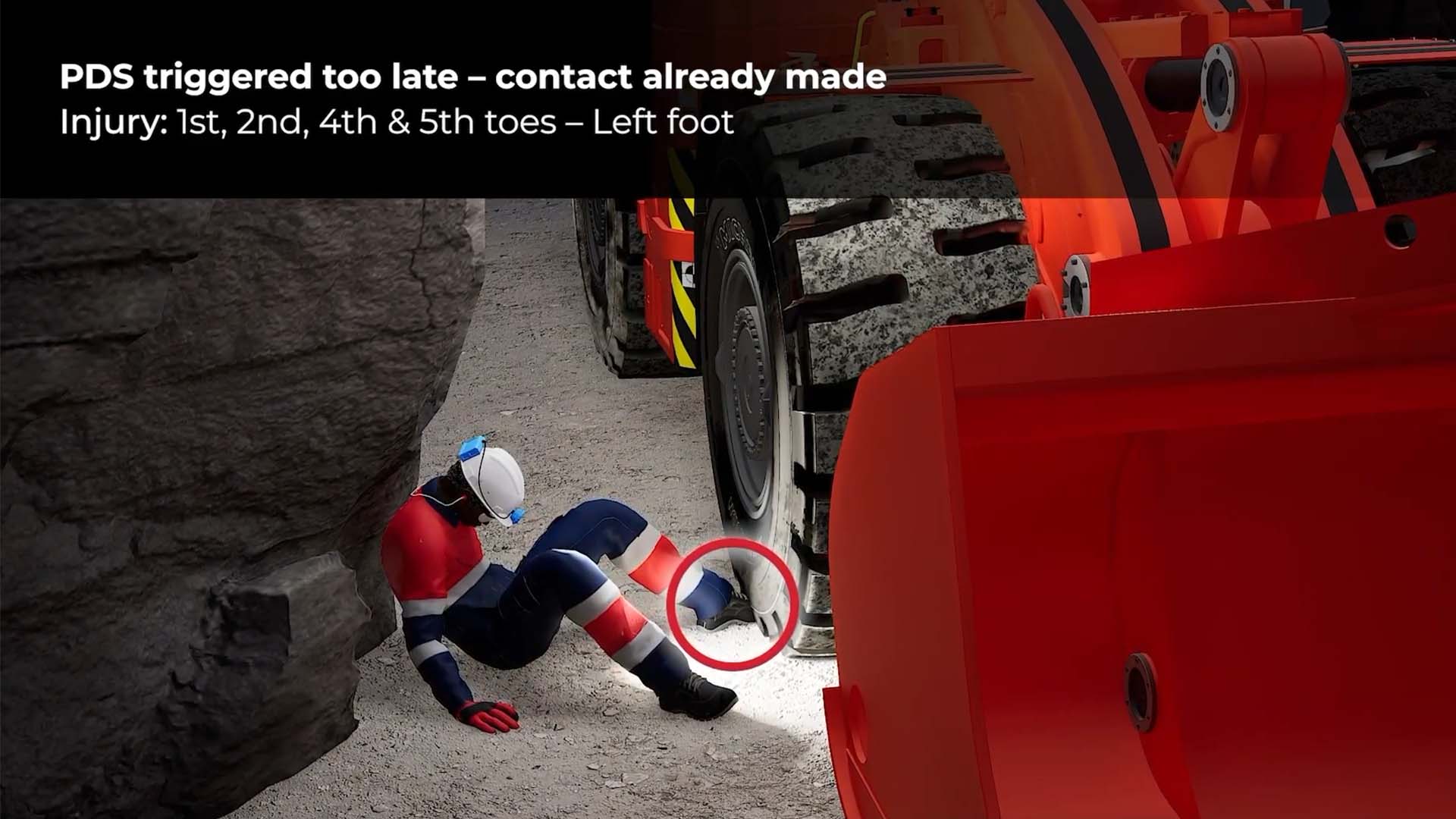
The client supplied a detailed incident presentation containing the findings and supporting technical information. This included the underground mine layout, the route travelled by LHD75, the pedestrian’s position at Pillar 90, and the warning and stopping ranges recorded during tests of the Pedestrian Detection System.
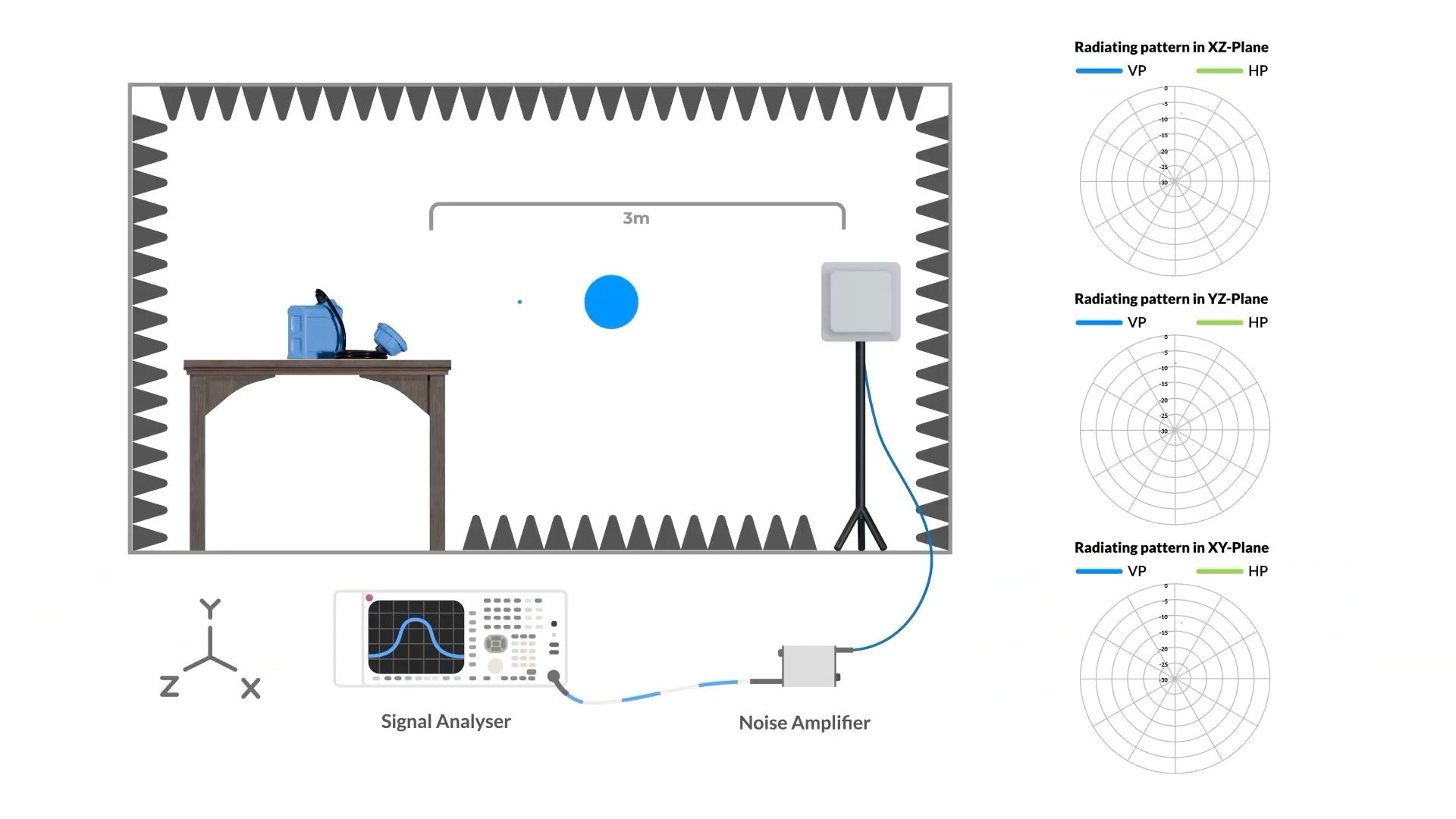
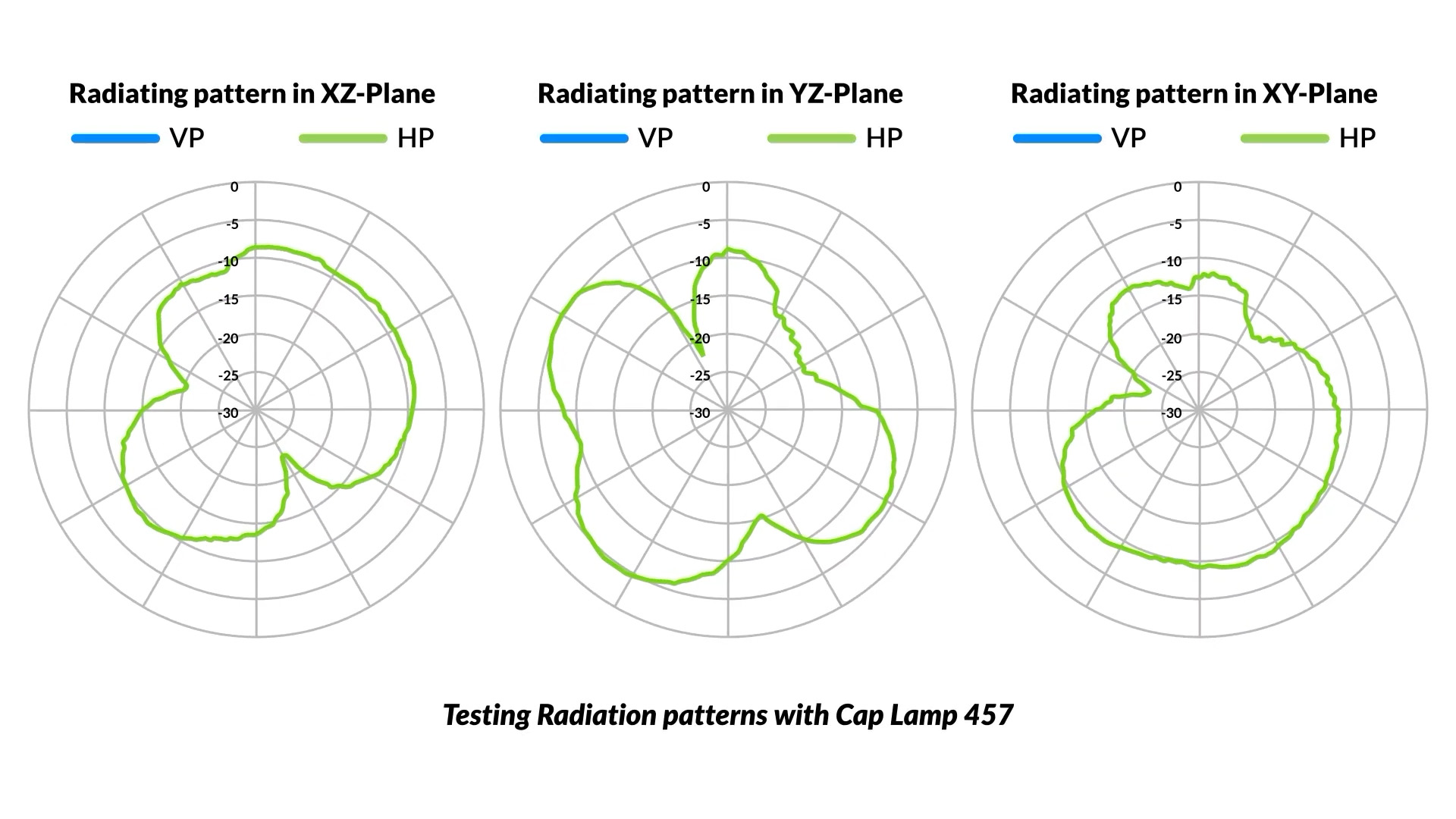
Further evidence examined the positioning and orientation of the RFID tag inside the pedestrian’s cap lamp. It also explored how a nearby passive tag could interfere with communication between the active RFID tag and the detection system.
Each source contributed a different part of the explanation. The mine layout established where the incident occurred, the equipment data showed how the machine responded, and the radio-frequency testing helped explain why the pedestrian was detected later than expected.
Our team worked closely with the client’s safety and technical specialists to interpret these findings correctly before translating them into animation. This collaborative process was essential because the final visualisation needed to remain faithful to the investigation while still being understandable to people with different levels of technical knowledge.
Reconstructing the Physical Incident
The bespoke 3D incident animation recreated the underground environment and established the spatial relationship between the machine, the pedestrian and the surrounding workings.
Using the supplied mine layout as a reference, we modelled the relevant underground area and developed a custom LHD75 model resembling the machine involved. The animation followed the LHD along its recorded route before moving into a closer reconstruction of the incident at Pillar 90.
This progression allowed the audience to understand the wider operating context before focusing on the critical moment. Rather than presenting the accident as an isolated event, the reconstruction showed how the location, movement and positioning of those involved related to one another.
Accuracy remained the priority throughout. The purpose was not to dramatise the accident, but to create a dependable visual reference that supported the findings presented by the client.
Visualising What Could Not Be Seen
Reconstructing the physical event addressed only one part of the challenge. The underlying technical explanation involved radio-frequency communication, antenna orientation, radiation patterns, detection zones and signal interference, none of which would ordinarily be visible in the underground environment.
We used motion graphics to turn these abstract concepts into clear visual sequences. Animated rays, pulses and radiation fields demonstrated how signals travelled between the machine and the cap lamp, while simplified diagrams showed how the RFID tag’s radiation pattern changed according to its physical orientation.
The animation also compared the active RFID tag’s performance with and without the passive tag present. By presenting the two conditions visually, the audience could see how interference could disrupt or weaken communication with the Pedestrian Detection System.
This made it possible to connect the technical test results to the reconstructed incident without overwhelming the viewer with raw data.
Combining 3D Animation and Motion Graphics
Our 3D incident animation and motion graphics each performed a specific communication role within the final presentation.
Three-dimensional animation was best suited to recreating the mine environment, the LHD’s movement and the pedestrian’s position. Motion graphics were more effective for explaining invisible signal behaviour and comparing technical test results.
Keeping these functions distinct made the presentation easier to follow. It also provided a more efficient and cost-effective solution than attempting to recreate every technical explanation in 3D.
The result moved naturally between physical reconstruction and technical analysis, helping the audience understand not only what happened, but also the factors that may have influenced the system’s response.
Designed as a Presentation Tool
The primary version was intentionally produced without voice-over, sound effects or music. It was designed to support a live presentation rather than function as a standalone narrated film.
This allowed the presenter to control the pace of the discussion, pause on important findings and provide additional context where required. The animation effectively became a form of visual evidence, supporting the presenter without competing with the technical explanation.
A separate version with music was also created for subsequent sharing, giving the client a second format suited to a different viewing context.
Turning Technical Evidence into a Practical Safety Resource
The completed animation gave the client a clear visual reconstruction of the accident and the technical conditions surrounding it. By combining investigation data, site-specific 3D modelling and simplified motion graphics, we transformed a complex and largely invisible technical issue into a structured visual explanation.
The client responded positively to the final result, specifically recognising its ability to demonstrate both the accident and the factors that contributed to it.
For Sound Idea Digital, the project demonstrates the value of close collaboration between creative, safety and technical teams. It also shows how 3D incident animation can extend beyond reconstruction to become a practical communication tool, helping organisations present investigation findings, strengthen shared understanding and inform future safety measures and training.
When the cause of an incident depends on equipment behaviour, signal data or other factors that cannot be seen, a written report may not communicate the complete picture. Share your investigation material with Sound Idea Digital, and our team will work with your technical and safety specialists to develop a clear, evidence-led visual approach. Contact us to begin planning a 3D incident animation tailored to your presentation, investigation or training requirements.