

Preparing Every Visitor for a Safer Site Experience
Transforming Visitor Induction Through Visual Storytelling
Operating across large-scale mining environments, Kumba Iron Ore needed a visitor induction that could communicate far more than a list of site rules. The production had to introduce visitors to the realities of an active mining operation, clarify the hazards they could encounter and reinforce the individual responsibility required to support the client’s goal of Zero Harm. Sound Idea Digital transformed this extensive body of safety, health and environmental information into a structured audiovisual experience. By combining operational footage, practical demonstrations, graphics, icons and concise on-screen messaging, we created a visitor induction that made complex requirements easier to understand and remember.
Communicating safety in a high-risk environment
The organisation operates within environments where visitors may encounter mobile machinery, working-at-height activities, moving equipment, dust, noise, extreme heat and other significant hazards. The induction therefore needed to prepare visitors for the conditions on site while establishing an important distinction: completing the visitor induction permits supervised access, but does not authorise an individual to perform work.
The scale of the subject matter added another layer of complexity. The production needed to cover the client’s safety vision and values, critical controls, life-saving behaviours, personal protective equipment, occupational health, environmental responsibility, incident reporting and emergency procedures. Each topic had to form part of one coherent experience without diminishing the importance of the information.
Building a clear visual journey
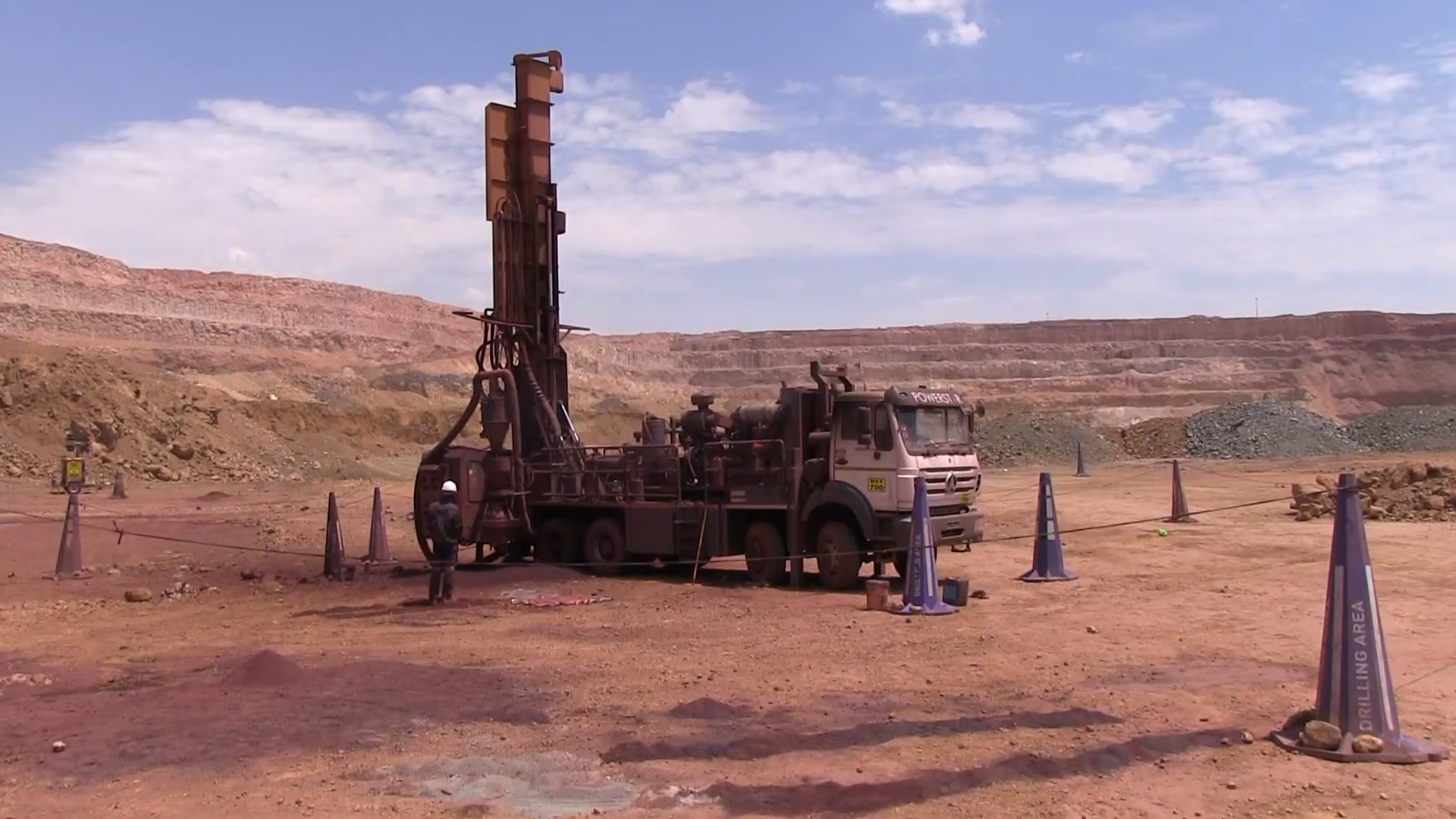
To give the induction a strong sense of place, the production drew on footage from across the client’s operational value chain, including exploration, mining, rehabilitation, rail and port activities. This wider view introduced visitors to the scale and complexity of the organisation before moving into the specific behaviours expected of them on site.
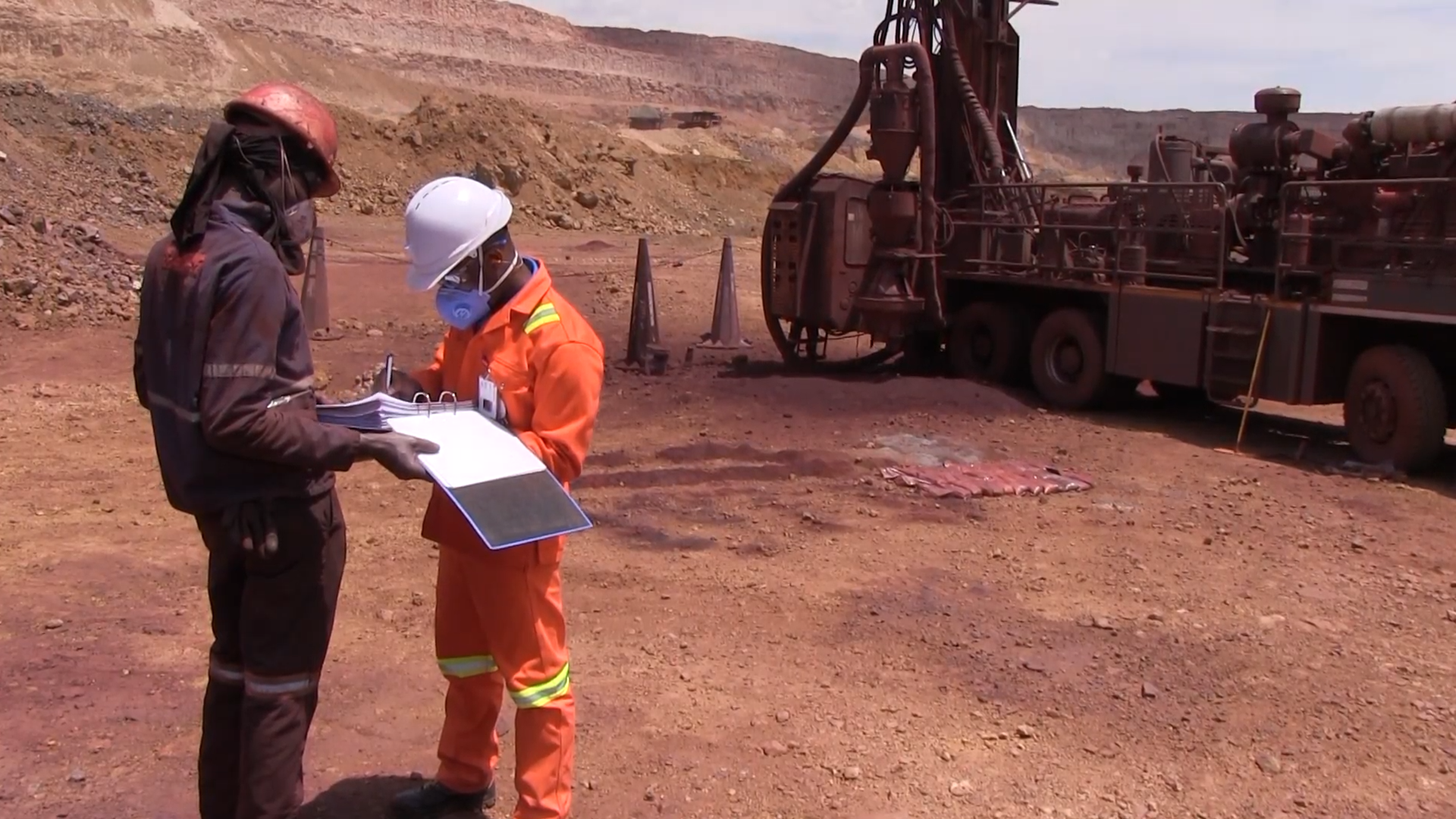
Real operational environments were central to the visual approach. Mobile equipment on haul roads, work conducted at height, conveyor systems, lifting operations, blasting activities and high-wall areas showed visitors where hazards may arise. Practical demonstrations then connected those hazards to the required response, from remaining with an assigned host and using designated walkways to wearing the correct protective equipment and reporting unsafe conditions.
This combination ensured that safety was presented in context. Visitors could see not only what was expected of them, but also why each requirement mattered within an active mining environment.
Making complex information easier to retain
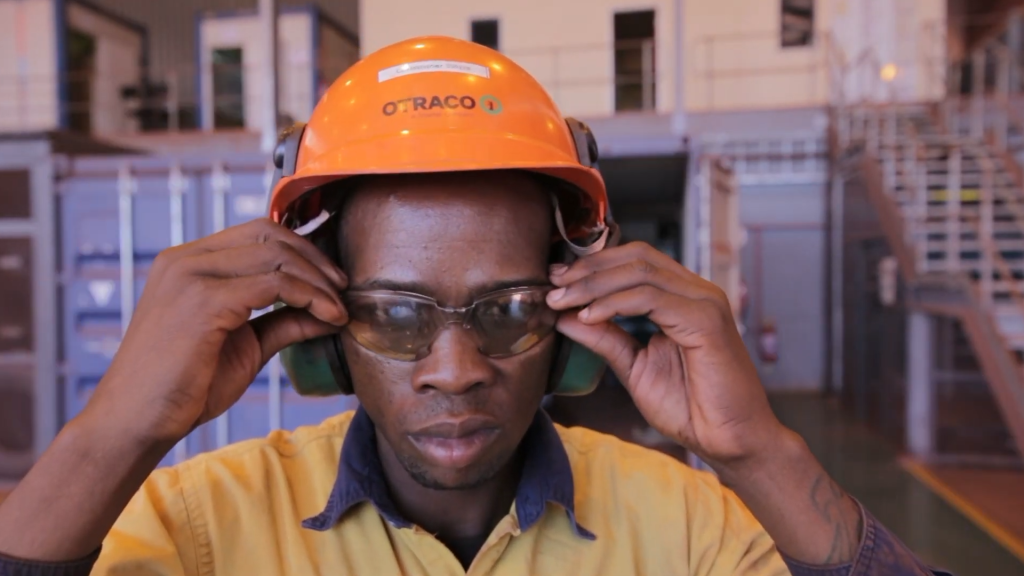
The induction brought together a substantial amount of technical, behavioural and regulatory information. To make this content more accessible, key messages were reinforced through on-screen text, purpose-built graphics, value icons and visual representations of their critical controls and life-saving behaviours.
Supporting material—including safety policies, international certification, Mine Health and Safety Act requirements, emergency information and the hierarchy of controls—helped connect everyday conduct to the organisation’s broader safety-management framework. The result was an induction that balanced organisational policy with practical guidance visitors could apply immediately.
The visual language also extended beyond personal safety. Footage of water management, soil sampling, dust monitoring, energy-saving initiatives, biodiversity and responsible waste disposal positioned environmental care as an integral part of their operations. Occupational health risks such as noise, dust, fumes and heat were similarly grounded in recognisable working conditions and paired with the appropriate protective measures.
Reinforcing shared responsibility
A defining feature of the project was its emphasis on active participation. Visitors were not presented as passive observers; they were encouraged to remain vigilant, raise concerns and report unsafe conditions to their hosts. This supported the client’s belief that preventing harm depends on people taking responsibility for both their own safety and the safety of those around them.
The production also reinforced the role of the visitor’s host throughout the site experience. From providing the required personal protective equipment and site-specific emergency information to guiding visitors through operational areas, the host was positioned as a vital link between the organisation’s safety systems and each visitor’s actions.
The outcome
The completed visitor induction brought the organisation’s safety, health and environmental expectations together in one comprehensive visual resource. It converted a broad and highly detailed set of requirements into a logical journey—from understanding the mining environment and recognising its hazards to knowing how to behave, respond and contribute to Zero Harm.
More than an introduction to site rules, the production communicated the culture behind them. It gave visitors a clearer understanding of their responsibilities, demonstrated the controls designed to protect people and the environment, and established safe conduct as a condition of every site visit.
Every site has unique risks, procedures and responsibilities—and its visitor induction should reflect them. Get in touch with Sound Idea Digital to arrange a conversation about your operational environment and communication goals. Bring us your policies, existing materials or initial brief, and we’ll help map the next steps towards a clear, site-specific visual solution.