

Decoding Medical Equipment Safety: 3D Animated Training Video
Electrical safety in a clinical environment depends on more than knowing how to operate medical equipment. Healthcare personnel must also understand how devices are classified, what their safety markings mean and which precautions are required when equipment comes into contact with a patient. BBW needed a medical equipment safety training video that could communicate this specialised information clearly and systematically. Sound Idea Digital transformed the technical subject matter into a focused nine-minute animated video that connects electrical safety principles to the medical equipment and clinical situations in which they apply.
The challenge: presenting detailed technical information clearly
The subject required the video to cover several closely related systems without allowing the information to become overwhelming. These included electrical equipment classes, applied-part classifications, medical-device symbols, ingress protection ratings and in-service testing requirements.
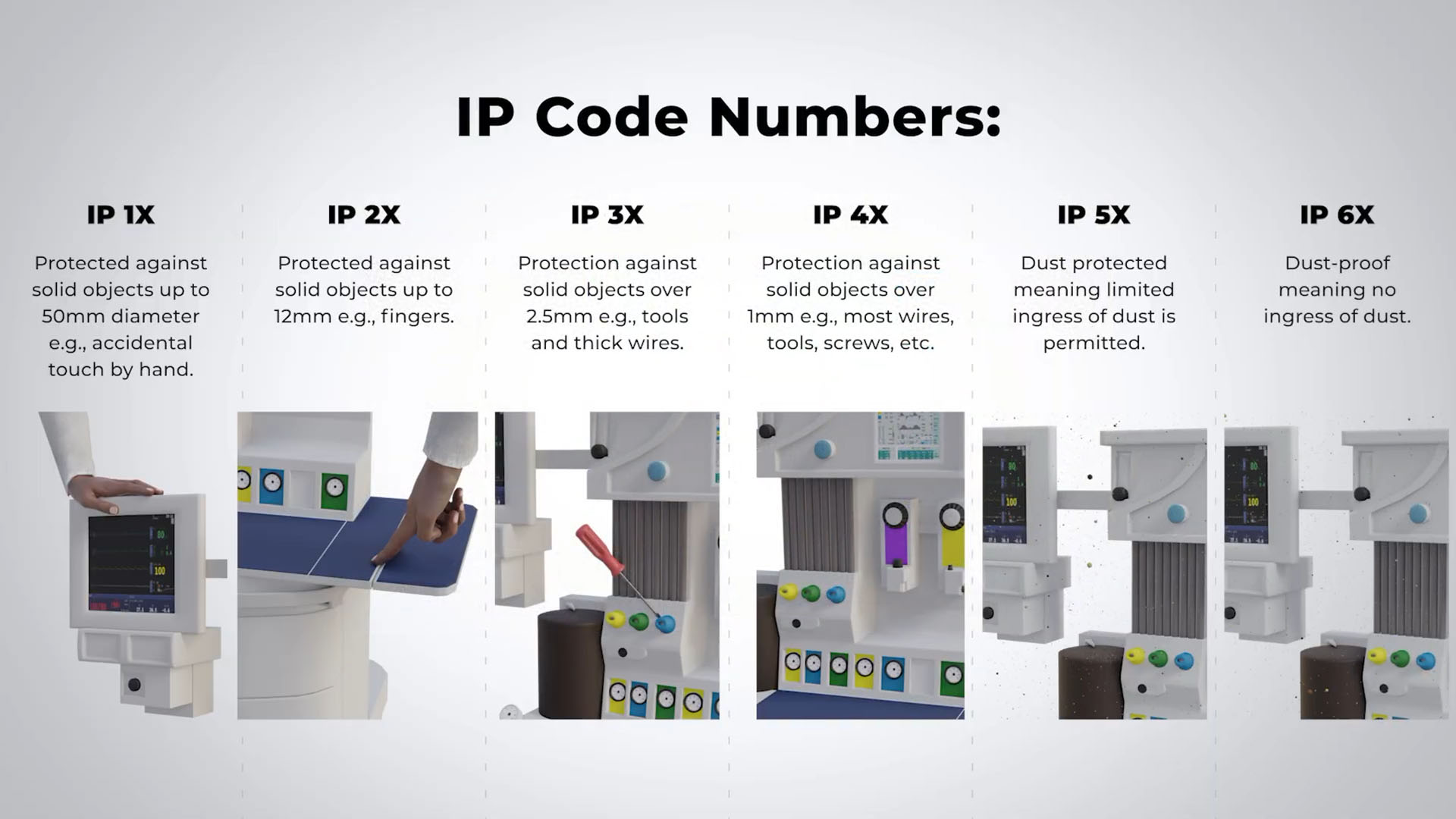
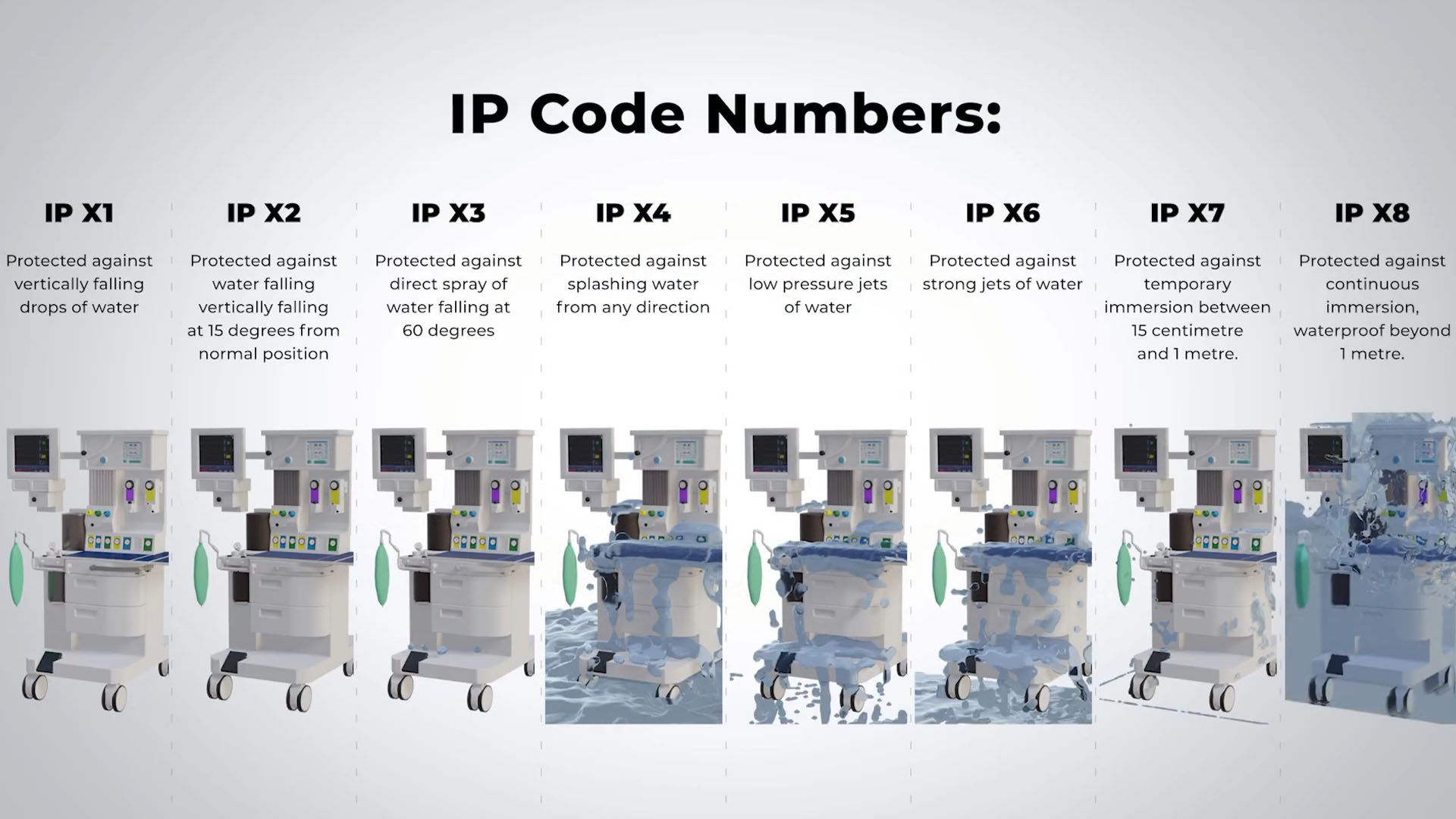
Much of this information depends on learners recognising subtle but important distinctions. They need to understand, for example, how Class 1, Class 2 and Class 3 equipment provide protection differently, as well as the separate functions of Type B, BF and CF applied parts. The video also had to explain how IP codes indicate protection against solids and liquids, while reinforcing the testing and operational precautions required in a clinical setting.
A conventional presentation filled with definitions and technical tables would have made the content difficult to absorb. The challenge was therefore not simply to display the information, but to create a logical visual journey that helped learners understand how each classification affects safe equipment use. Effective medical equipment safety training therefore needed to make these distinctions easier to recognise, understand and apply.
Translating technical content into a structured learning experience
Sound Idea Digital structured the medical equipment safety training as a progressive learning sequence, allowing each concept to build on the information introduced before it. The video begins with the broader responsibility of identifying hazards and taking appropriate preventative measures before moving into increasingly specific areas of medical electrical safety.
Each section builds on the knowledge introduced before it. Learners are first shown the different equipment classes and their protection mechanisms. The video then explains applied parts and the significance of physical patient contact before introducing the markings found on medical devices. This provides the foundation needed to understand IP ratings, testing requirements and the practical precautions presented at the end.
This deliberate sequencing turns a collection of technical definitions into a connected training experience. Rather than asking learners to memorise isolated facts, the video shows how equipment construction, markings, environmental protection and testing all contribute to safer clinical practice.
Combining clinical context with clear information design
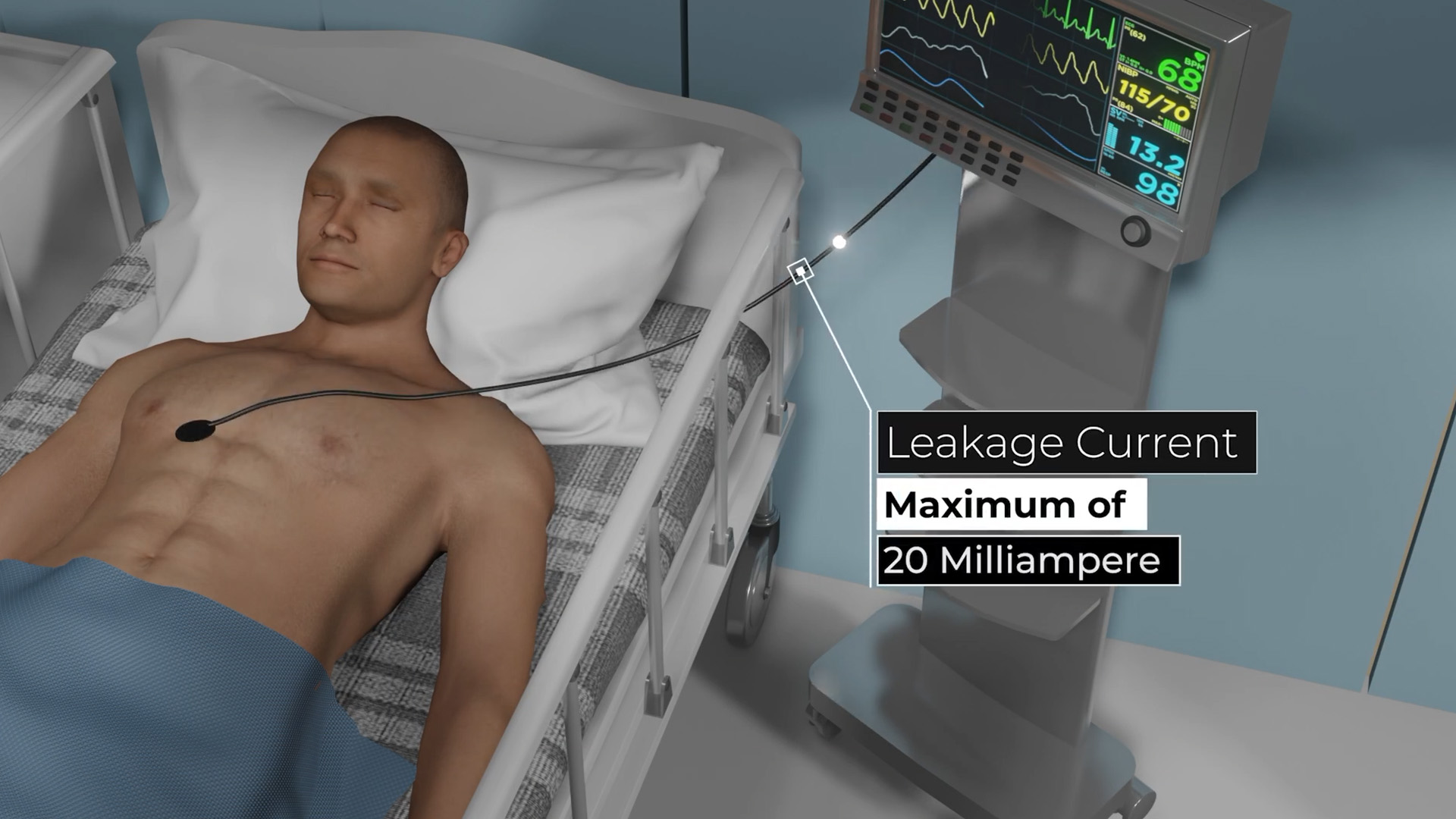
The visual treatment brings the technical content into a recognisable healthcare environment. Animated clinical scenes show a healthcare professional interacting with medical equipment, giving learners a practical point of reference for the information being presented.
These character-led scenes are combined with clean 2D information graphics, equipment illustrations, symbols, labels and comparison layouts. This mixed-media approach allows the video to move naturally between workplace context and detailed explanation.
When multiple classifications need to be compared, the information is arranged into clear visual columns. Equipment examples and the relevant safety symbols are placed alongside the definitions, helping learners connect abstract classifications to devices they may encounter in practice. Important markings are isolated and enlarged so that viewers can recognise them more easily outside the training environment.
The IP rating section required particularly careful visual planning because each code contains two separate values. The animation breaks the system down into manageable stages, first explaining protection against solid objects and then protection against water. A worked IP32 example brings both values together and demonstrates how the code should be interpreted as a whole.
Maintaining consistency across a complex topic
A restrained visual style keeps attention on the learning content. The clean white backgrounds, bold headings, green accents and consistent typography create continuity across the video while preventing the screen from becoming visually crowded.
Movement is used with purpose. Information is introduced in stages, directing attention to the classification, symbol or equipment feature currently being discussed. This pacing gives learners time to process each concept before the next one is added.
The narration, on-screen text and animation work together rather than competing for attention. Technical terminology remains accurate, while the accompanying visuals provide the context needed to make that terminology easier to understand. The result is a professional training resource that respects the complexity of the subject without making it unnecessarily difficult to follow.
Reinforcing practical safety responsibilities
The final section moves from classification and identification into action. It explains when medical equipment should be tested, including acceptance testing before use, routine testing at fixed intervals and testing after servicing, repair or product upgrades.
The video also reinforces essential precautions such as avoiding mixed electrical phases, preventing cross-connections between beds, checking leakage current, never changing a fuse while the power is on and confirming that equipment displays the required technical information.
This progression is important because recognition alone does not create safer behaviour. Learners must be able to use what they have understood when inspecting, selecting or working with medical equipment. By concluding with practical requirements, the training connects technical knowledge directly to workplace responsibility.
The outcome: a reusable medical electrical safety resource
The completed video provides BBW with a consistent medical equipment safety training resource that communicates detailed electrical safety requirements in a clear and visually structured format. Its nine-minute duration allows it to cover the subject meaningfully while remaining focused enough for induction, refresher training or targeted safety awareness.
By combining structured instructional content, clinical animation and clear visual explanation, Sound Idea Digital made a highly technical topic more accessible without removing the detail required for responsible equipment use.
The project demonstrates how animation can do more than make training visually engaging. When supported by careful content sequencing and purposeful information design, it can reveal differences, explain classifications and connect technical standards to the real decisions people make in safety-critical environments.
If your medical equipment training needs to explain complex classifications, safety symbols or testing procedures more clearly, Sound Idea Digital can transform the material into a focused visual learning experience. Send us your existing manuals, presentation slides or technical content, and our team will identify the best way to structure and visualise it. Get in touch to discuss an animated medical equipment safety training video tailored to your learners and working environment.