

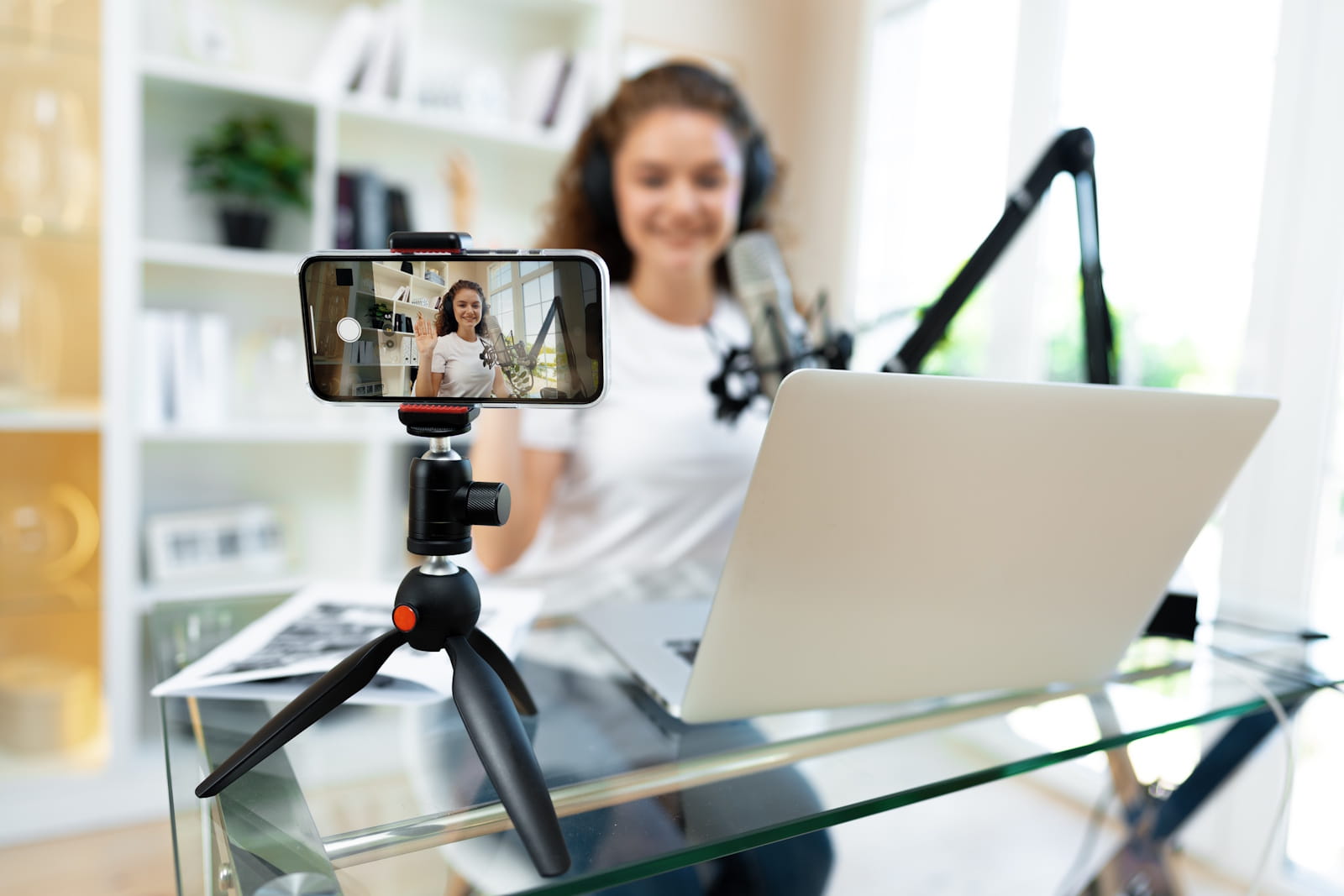
Livestreaming Requirements for Social Media Video Production
Social media video production has become an essential tool for businesses, influencers, and content creators across South Africa. Live streaming allows you to engage with audiences in real time, showcase events, and build meaningful connections with viewers. However, the success of a live stream often depends on the preparation, equipment, and workflow you put in place before going live. Understanding the requirements for livestreaming ensures that your content looks professional, runs smoothly, and captures your audience’s attention from start to finish.
To produce high-quality social media video production, it is not enough to simply turn on a camera and broadcast. Every stream relies on a careful combination of cameras, microphones, lighting, internet connectivity, and software or hardware to encode and distribute your content. By planning your setup ahead of time and testing your workflow, you can reduce technical issues and deliver a polished live experience. Whether streaming from an office, a studio, or a remote location, knowing the essential livestreaming requirements sets the foundation for success.
Understanding the Core Equipment for Livestreaming
Before setting up any live stream, it is essential to identify the core pieces of equipment that will ensure your broadcast is professional and reliable. The basics include cameras, microphones, lighting, and an encoder. Cameras provide the visual capture for your stream and can range from simple webcams to high-definition professional cameras. Microphones guarantee clear audio, which is critical as viewers will often tolerate less-than-perfect visuals more than poor sound. Lighting helps create a polished, visually engaging environment, even if only basic soft lights or ring lights are used.
Selecting the right tools for social media video production is just the start. Additional hardware such as audio mixers and capture devices can further enhance the quality of your stream. Audio mixers allow for multiple sound sources to be balanced effectively, while capture devices ensure that video and audio signals transfer correctly to your encoder. Testing each piece of equipment before going live is critical for identifying potential problems and ensuring that your setup will operate smoothly during the broadcast.
- Cameras for video capture, ranging from webcams to high-definition professional cameras
- Microphones for clear, balanced audio
- Lighting equipment such as soft boxes or ring lights for even illumination
- Encoder to process video and audio for distribution
- Audio mixers for managing multiple sound sources
- Capture devices to properly feed signals from cameras into the encoder
- Tripods or stabilisers to keep camera shots steady
Even with the right equipment, the key to professional social media video production is preparation. Understanding how each component works and how to combine them into a workflow helps prevent technical problems during a live broadcast. Practicing with the equipment in advance and making adjustments ensures that your visuals and audio are clear, consistent, and engaging for your audience.
By mastering the basics and testing every part of your setup, you establish a strong foundation for more advanced features. Once you are confident in the core equipment, you can expand your production to include graphics, slides, multiple camera angles, or remote guest integration, all while maintaining a professional appearance and a smooth viewing experience.
On-Site Production Considerations
Producing a live stream on-site, such as at conferences, company events, or live shows, requires careful planning. On-site production allows direct access to all equipment, including cameras, lighting, audio, and encoders. The presence of a production team makes it possible to handle multiple cameras, adjust lighting, and manage audio levels in real time. Proper coordination ensures that the broadcast captures the event from various perspectives, making social media video production dynamic and engaging.
Camera placement is a critical consideration for on-site streams. You want to capture the speakers clearly without obstructing the live audience. Medium shots and medium close-ups are effective for framing speakers while maintaining context, while wide shots establish the setting, and close-ups highlight emotion and detail. Planning camera angles, positions, and zoom ranges ahead of time helps create a seamless live broadcast.
- Multiple cameras for different angles and perspectives
- Camera switchers to control which camera feed is live
- Tripods or stabilisers for steady shots
- Lighting setups for consistent, flattering illumination
- Audio microphones and mixers to balance sound from multiple sources
- Encoder to process and stream live video
- Monitoring equipment for real-time quality control
Having the right equipment is only part of successful social media video production on-site. Coordination between cameras, audio, lighting, and switchers ensures that the stream maintains professional quality. Testing and rehearsing before the event allow you to identify potential issues, refine camera angles, and adjust for any changes in the venue.
Careful planning also allows your team to respond quickly to unexpected challenges. Whether it’s adjusting for lighting shifts, moving cameras, or addressing audio issues, a well-prepared workflow ensures that the audience enjoys a polished and engaging live stream, helping your brand stand out and connecting with viewers effectively.
Tips for Professional Social Media Video Production
Creating professional social media video production requires consistency and attention to detail. Simple practices, such as positioning cameras at eye level, avoiding harsh backlighting, and placing microphones close to speakers, can significantly improve the perception of your stream. Building a standard workflow ensures that each broadcast runs smoothly and maintains high-quality audio and visuals.
Another key tip is to expand your production gradually. Start with one camera and basic graphics, then integrate multiple cameras, slides, or audience interaction tools as you gain confidence. Incremental growth allows you to master each component without overwhelming yourself or your team, ultimately producing a more polished live stream.
- Keep camera at eye level for natural framing
- Use consistent lighting for professional appearance
- Place microphones close to the sound source
- Rehearse your workflow to ensure smooth execution
- Start simple with single-camera setups
- Gradually incorporate multiple cameras and graphics
- Maintain clear communication with team or remote guests
Even small improvements in setup or workflow can make a large difference in audience experience. Social media video production is not only about the visuals but also about delivering content consistently, ensuring viewers can rely on the quality and timing of your streams.
By gradually introducing new elements to your production, you reduce the risk of technical issues and build confidence in your team. A controlled, well-practised workflow enhances both your content quality and your audience’s engagement, creating a professional standard for all future live streams.
Post-Stream Video Management
After your live stream, managing recorded content is essential for ongoing engagement and brand impact. Videos can be archived, trimmed, and repurposed for on-demand viewing, social media platforms, or internal use. Using markers to highlight key moments ensures that viewers can easily navigate long streams and find important content. Proper post-stream management maximises the value of social media video production.
Deciding how long to retain recorded streams and ensuring they are easily accessible helps maintain a professional image. Editing out errors, adding graphics, or creating highlights can extend the lifespan of your content and provide additional engagement opportunities. This stage is critical for turning a single live stream into multiple pieces of valuable content.
- Store recorded videos for on-demand viewing
- Trim unnecessary footage from start or end of streams
- Use markers to highlight key moments
- Archive streams with secure access
- Edit and enhance recordings for clarity or branding
- Repurpose videos for other social media platforms
- Maintain backups to ensure content ownership
Managing post-stream content effectively ensures that social media video production continues to provide value long after the broadcast has ended. Consistent handling of recordings allows your team to build a library of high-quality content, providing a resource for training, marketing, and audience engagement.
By carefully organising and editing recordings, you create additional opportunities to reach viewers who could not attend the live event. A professional approach to post-stream management strengthens your brand presence, extends content longevity, and enhances the overall impact of your livestreaming efforts.
Case Study: Livestreaming on Arrival at Heathrow
Imagine a vlogger arriving at Heathrow International, ready to broadcast their journey to viewers across the world. They are relatively new to livestreaming and want to ensure their setup is prepared before going live in London. The challenge is combining mobility with professional-quality social media video production while navigating an unfamiliar environment. They want to make an immediate connection with their audience and avoid technical problems.
To prepare, the vlogger identifies the essential requirements for livestreaming: a camera with good video quality, a reliable microphone, portable lighting, a stable internet connection, and an encoder capable of handling the live signal. They create a checklist, rehearse their workflow, and ensure that all equipment is packed and ready for immediate use. They also test their internet connection options at the airport and research best practices for framing shots and audio capture.
Through this preparation, the vlogger learns the importance of testing equipment, knowing the limitations of their environment, and having a clear workflow. They discover that a simple setup with careful planning often delivers better results than a complex one. With confidence in their tools and knowledge, the next step is to execute the live stream, adjusting camera angles, lighting, and audio as needed, while focusing on engaging their viewers from the first moment.
Ensuring a Strong Internet Connection
A stable internet connection is one of the most critical requirements for livestreaming. High-definition streams demand significant upload bandwidth, and interruptions can quickly degrade viewer experience. Whether using wired connections or mobile hotspots, ensure your connection meets the necessary speed requirements and is reliable throughout your broadcast.
For social media video production, it is also important to consider redundancy. Testing multiple connection options or having backup devices ready can prevent interruptions. Monitoring the stream during production allows you to catch issues early, reducing downtime and ensuring viewers have a seamless experience. Reliable internet is the backbone of any successful live stream.
What Video Production Services Offer Livestreaming Options?
At Sound Idea Video Production, we offer a full suite of marketing video services with livestreaming options built in. Our live and event videos are the most relevant for social media video production, capturing launches, presentations, hybrid campaigns, or real-time events with high-quality production. We make sure every stream is engaging, professional, and visually appealing, whether you are broadcasting to a local audience in South Africa or streaming globally. By carefully coordinating cameras, lighting, audio, and on-site switching, we ensure that your live event is delivered smoothly and captures every important moment.
In addition to live and event videos, we produce a range of marketing videos to support your brand. These include brand story videos, product and service demonstrations, social media and campaign content, educational and how-to videos, client testimonials, corporate culture videos, and animated content. Each video type is designed to communicate clearly, showcase your brand, and complement your live streaming efforts. By combining these services with live and event videos, we provide a complete social media video production solution that helps your audience understand what you do and why it matters.
Be Prepared For Your Next Livestream
Successful social media video production relies on careful planning, the right equipment, and a clear workflow. From selecting cameras, microphones, and lighting to testing your internet connection and post-stream management, every step contributes to the overall quality and professionalism of your broadcast. By understanding these requirements, content creators in South Africa can deliver engaging, high-quality live streams that captivate their audiences.
Whether you are producing an on-site event, a remote broadcast, or a spontaneous livestream at an airport, taking the time to prepare your setup ensures a smooth and professional experience. Social media video production is more than just capturing live footage; it is about creating a polished, engaging, and reliable broadcast for viewers. To get started or elevate your next live stream, get in touch with Sound Idea Video Production and make your broadcasts truly exceptional.