

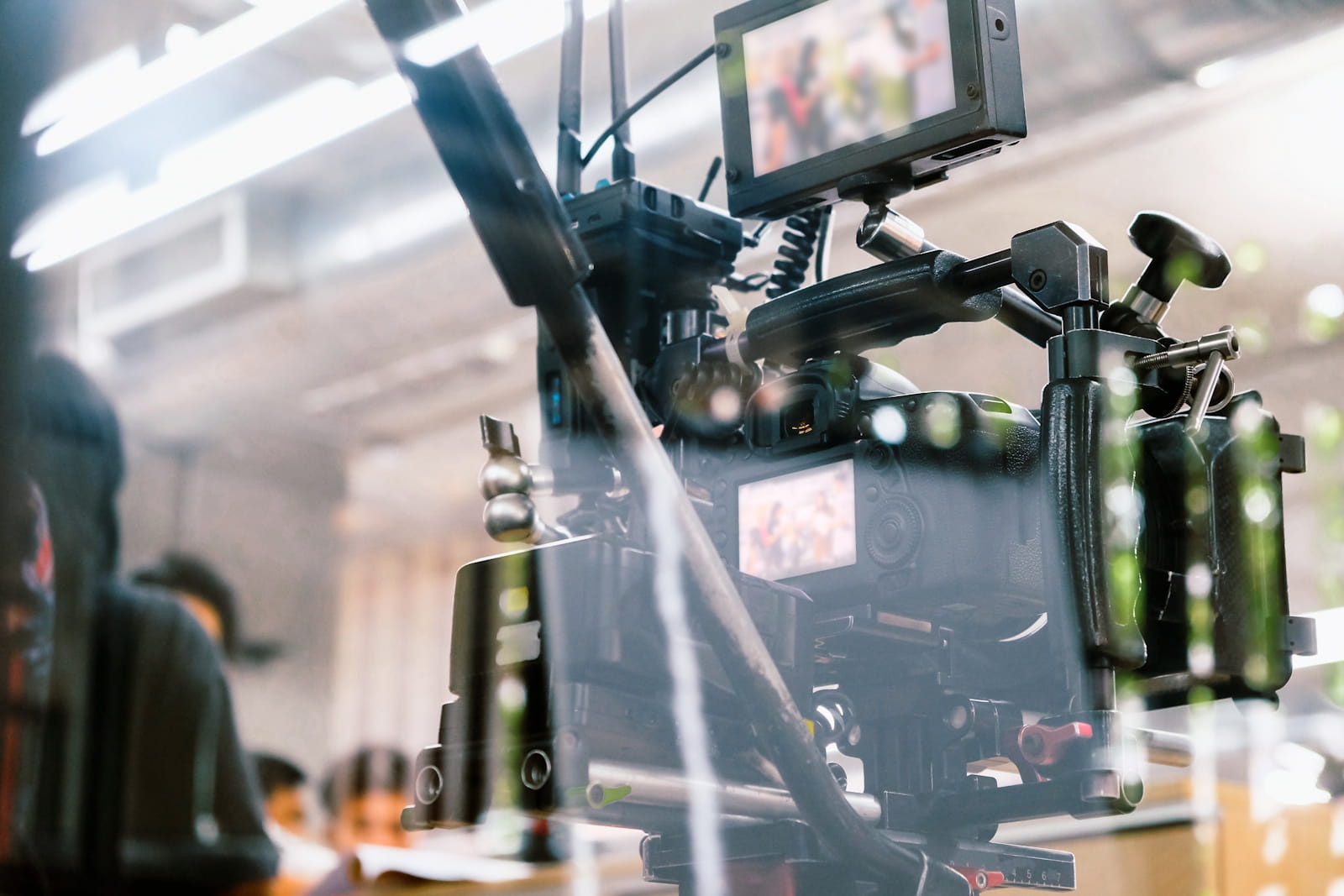
Inside the Full-Service Workflow of Video Production Agencies
Video content has become one of the most effective ways for businesses to educate, engage, and connect with their audiences, which is why many organisations turn to professional video production agencies for support. From brand stories and product showcases to corporate communications and marketing campaigns, professional video content helps businesses communicate complex ideas in a clear and memorable way.
Many businesses understand the value of video but often do not realise how much planning, coordination, and expertise go into creating a polished final product. Experienced video production agencies follow a structured process that ensures every project achieves its goals while maintaining quality, consistency, and efficiency. Understanding the full-service video production process helps businesses make informed decisions and appreciate the work that happens behind the scenes.
How Video Production Agencies Manage the Full-Service Video Production Process
The term full-service video production refers to the complete journey of creating a video, from the initial concept through to final delivery and distribution. Rather than focusing solely on filming, the process includes strategy, planning, production, editing, and optimisation.
Professional video production agencies manage every stage of this process to ensure that creative ideas translate into effective visual content. Each stage builds upon the previous one, creating a structured workflow that reduces mistakes, improves communication, and delivers a stronger final result.
How Video Production Agencies Approach Planning and Development
Planning and development form the foundation of every successful video project. Before any production activity begins, businesses need a clear understanding of what they want their video to achieve. Whether the objective is training employees, promoting services, improving internal communication, or supporting a marketing campaign, every decision made later in the process depends on having clearly defined goals from the start.
This stage also focuses heavily on understanding the audience. Different audiences respond to different styles, messaging approaches, and formats. Professional video production agencies spend time gathering information about the intended viewers so they can create content that resonates with their interests, challenges, and expectations. This strategic approach helps ensure that the finished video delivers meaningful results rather than simply looking visually impressive.
Key planning and development activities often include:
- Defining the purpose and objectives of the video
- Identifying the target audience
- Determining key messages and communication goals
- Selecting the most suitable video format
- Establishing timelines and production schedules
- Assessing project requirements and resources
- Planning distribution channels and intended platforms
- Developing initial creative concepts
Strong planning creates alignment between all stakeholders before production begins. It helps minimise misunderstandings, keeps projects focused, and allows teams to identify potential challenges before they become costly issues. Businesses that invest time in planning often experience smoother production workflows and more effective final outcomes.
Another important benefit of thorough planning is the ability to make informed creative decisions. Elements such as visual style, tone of voice, filming locations, and storytelling techniques become much easier to determine once the objectives and audience requirements are clearly understood. This creates a solid foundation that supports every stage that follows.
Establishing Goals and Audience Requirements
A clear understanding of the intended audience helps shape the tone, style, and structure of the video. A video aimed at corporate decision-makers will look very different from one designed for consumers or community audiences.
Audience research also helps determine the most effective storytelling approach. When production teams understand what viewers care about, they can create content that captures attention and encourages engagement from the very first frame.
The Pre-Production Stage: Turning Ideas into Action
Once the concept has been approved, the project moves into pre-production. This stage transforms ideas into practical plans and ensures that every aspect of the upcoming production is carefully organised. Many of the challenges that can affect filming are identified and resolved during pre-production, making it one of the most important phases of the entire process.
Successful pre-production allows production teams to maximise efficiency when filming begins. Rather than making important decisions on location, crews arrive with clear instructions, prepared schedules, and a shared understanding of the project goals. Video production agencies rely on this preparation to keep productions running smoothly and to maintain high standards throughout the project.
Common pre-production activities include:
- Scriptwriting and content development
- Storyboard creation
- Shot list preparation
- Production scheduling
- Location scouting and selection
- Crew and talent coordination
- Equipment planning
- Permit and access arrangements
- Risk assessments and safety planning
A detailed pre-production process creates clarity for everyone involved in the project. It ensures that crew members understand their responsibilities and that clients have visibility into how the production will unfold. This level of preparation reduces uncertainty and helps prevent delays once filming begins.
Pre-production also provides an opportunity to refine ideas before resources are committed to production. Adjustments made during this stage are often much easier and more cost-effective than changes made during filming or editing. As a result, thorough preparation contributes directly to both quality and efficiency.
Scriptwriting and Storyboarding
The script serves as the backbone of the entire project. It outlines the narrative, key messages, dialogue, and visual direction. A strong script ensures the video remains focused and delivers information clearly.
Storyboards then transform written ideas into visual plans. By illustrating scenes and camera angles, production teams can visualise the final product before filming begins. This process improves communication among stakeholders and helps identify potential challenges early.
Production: Bringing the Vision to Life
Production is the stage where planning becomes reality. This is where crews capture footage, conduct interviews, record presentations, and create the visual content that will eventually form the final video. While production is often the most visible part of the process, it relies heavily on the preparation completed during earlier stages.
Professional filming requires careful coordination between multiple disciplines. Camera operators, directors, sound technicians, lighting specialists, and production managers all work together to capture footage that aligns with the project’s objectives. Video production agencies understand that technical quality and creative execution must work together to produce effective results.
Key production activities typically include:
- Capturing primary video footage
- Conducting interviews and presentations
- Managing camera operations
- Setting up and controlling lighting
- Recording high-quality audio
- Directing talent and presenters
- Monitoring technical quality
- Capturing supporting footage and b-roll
- Managing on-site logistics
During production, teams focus on creating enough content to support the editing process later. This often includes recording multiple takes, alternative angles, and additional footage that may prove valuable during post-production. Capturing a variety of content provides flexibility and helps strengthen the final story.
Production teams must also adapt to changing circumstances. Weather conditions, location challenges, and unexpected technical issues can all affect filming schedules. Experienced crews know how to respond quickly while maintaining quality standards and keeping the project on track.
Managing Technical Quality During Filming
Video quality depends on far more than simply pointing a camera at a subject. Lighting affects mood and clarity, while audio quality plays a major role in viewer engagement. Poor sound can quickly undermine an otherwise excellent production.
Technical teams constantly monitor exposure, focus, framing, and sound levels throughout filming. Their attention to detail helps create footage that not only looks professional but also supports the intended message of the video.
Why Video Production Agencies Prioritise Post-Production
Post-production is where raw footage transforms into a polished and engaging final product. Editors review hours of footage, selecting the strongest moments and arranging them into a compelling narrative that supports the project’s objectives.
Many people underestimate the importance of editing, but it is often the stage where the video truly comes together. Skilled editors refine pacing, remove distractions, improve flow, and ensure viewers remain engaged throughout the entire viewing experience.
Editing, Colour Grading and Audio Enhancement
Editing involves much more than cutting clips together. Teams add graphics, titles, transitions, subtitles, and supporting visuals that enhance understanding and maintain audience interest.
Colour correction and grading create visual consistency across scenes, while audio enhancement improves clarity and balance. Music, sound effects, and voiceovers further strengthen the emotional impact of the final production and contribute to a more immersive viewing experience.
Delivering and Distributing the Final Video
Completing the edit does not mark the end of the production process. The final stage focuses on preparing the video for distribution and ensuring it performs effectively across its intended platforms.
Different channels often require different specifications. Videos may need various aspect ratios, durations, resolutions, or file formats depending on where they will be published. This stage ensures that the content remains visually appealing and technically optimised regardless of where audiences view it.
Maximising Reach and Performance
Successful distribution requires more than simply uploading a file. Businesses need to understand where their audiences spend time and how viewers consume content across different platforms.
Production teams often help clients prepare multiple versions of the same video to suit different channels. This approach extends the lifespan of a project and allows businesses to maximise the value of the content they have invested in creating.
Why a Structured Video Production Process Matters
A structured video production process provides a framework that helps businesses move from concept to completion in a controlled and efficient manner. Without a clear process, projects can quickly become disorganised, resulting in missed deadlines, inconsistent messaging, unnecessary revisions, and avoidable production challenges. Professional video production agencies rely on established workflows because they create consistency while allowing room for creativity.
A structured approach also improves communication between stakeholders, production teams, and clients. When everyone understands the objectives, timelines, responsibilities, and deliverables from the outset, projects progress more smoothly. This clarity helps reduce confusion and ensures that creative decisions remain aligned with the original goals throughout the production journey.
The benefits of a structured video production process include:
- Clear project objectives and expectations
- Improved communication among stakeholders
- More efficient use of resources
- Better timeline management
- Reduced production risks
- Higher quality control standards
- Streamlined approval processes
- Easier collaboration between teams
- Stronger final outcomes
When each stage follows a defined workflow, production teams can focus their energy on storytelling, creativity, and technical execution rather than constantly solving avoidable organisational issues. This allows projects to move forward with greater confidence and consistency while maintaining professional standards from start to finish.
For businesses, a structured production process also creates predictability. Decision-makers gain greater visibility into project progress and can make informed choices throughout the production cycle. Ultimately, this structured approach contributes to stronger videos that achieve their intended purpose while delivering long-term value.
Who Offers Full-Service Video Production From Filming to Editing?
At Sound Idea Video Production, we provide full-service video production from initial planning through to filming, editing, and final delivery. Our team produces a wide range of video content for businesses across South Africa, managing every stage of the production process under one roof. We create safety induction videos for industries that require clear health, safety, SHEQ, and OSH training content, including projects filmed in hazardous environments. We also produce marketing videos that help businesses showcase their products, services, and campaigns, as well as corporate videos designed to strengthen communication, share brand values, and engage stakeholders. For organisations focused on learning and development, we create training videos using live-action production, 2D animation, 3D animation, and instructional design principles to support effective learning outcomes. Our full-service documentary productions take projects from concept development and filming through to editing and final delivery, ensuring every story connects with its intended audience.
We also offer a complete range of specialised production services, including animation videos, motion graphics videos, explainer videos, employee induction videos, web videos, company launch videos, and drone videos. We custom develop 2D and 3D animations, character animations, whiteboard animations, and mixed-medium productions tailored to specific business objectives. Our motion graphics capabilities allow us to create animated logos, dynamic text, infographics, and visual enhancements that strengthen communication and audience engagement. We produce explainer videos that simplify complex products, services, and processes, while our employee induction videos help organisations onboard new staff through clear and engaging content. We also create search engine optimised web videos for websites, social media, and digital campaigns, alongside company launch videos that introduce organisations, their services, and their goals. To add scale and perspective, we incorporate professional drone video production for facility overviews, property showcases, event coverage, and aerial footage. Across every service, we manage the complete production journey, ensuring clients receive fully developed video content from filming to editing and final delivery.
Offer Your Company the Benefits of Full Service Video Production
Successful video projects do not happen by chance. Behind every polished production lies a carefully planned process that moves from concept development to filming, editing, and final distribution. Professional video production agencies use this structured workflow to ensure every creative decision supports the project’s goals while maintaining quality at every stage.
Whether you are creating a brand video, corporate communication, promotional campaign, or educational content, understanding the full-service production process can help you achieve better results. If you are looking for expert guidance and professional support for your next project, get in touch with Sound Idea Video Production and discover how a strategic approach to video production can bring your vision to life.