

The Full Video Production Process: First Brief to Final Delivery
Creating a successful video involves much more than simply turning on a camera and recording footage. Whether you are working with a professional videos company or managing the early planning stages internally, the video production process combines strategy, creativity, technical expertise, and careful planning to deliver content that supports business goals and connects with audiences.
Whether a business wants to increase brand awareness, showcase products, highlight services, or tell compelling stories, understanding the full production journey helps ensure better collaboration and stronger results. A professional videos company guides clients through every stage, helping transform ideas into polished visual content that delivers value long after filming ends.
Why Understanding the Video Production Process Matters
Businesses often focus on the final video without considering the planning and coordination required to produce it. Every successful production relies on a structured workflow that moves from concept development through filming and into post-production. When each stage receives proper attention, the final result becomes more effective, engaging, and aligned with business objectives.
Working with an experienced videos company also allows organisations to contribute meaningful feedback throughout the process. Rather than viewing production as a mystery, clients who understand the workflow can make informed decisions, communicate their goals clearly, and help shape content that reflects their brand accurately.
The Video Production Process Begins with Pre-Production
Defining Goals, Audience and Strategy
Pre-production forms the foundation of the entire project. Before any filming takes place, businesses must establish what they want the video to achieve. Some videos focus on generating enquiries, while others aim to build trust, educate customers, or showcase products and services.
A videos company will usually begin by identifying the target audience, key messages, distribution channels, and desired outcomes. These discussions help shape the overall direction of the project and ensure that every creative decision supports a clear objective.
Developing Concepts and Creative Direction
Once the strategy is clear, the creative development process begins. This stage focuses on transforming business goals into a visual story that captures attention and delivers a message effectively. Every decision made during this phase influences how the audience will perceive the final production, making it one of the most important stages in the entire workflow.
Creative development allows production teams to explore different approaches before filming begins. Rather than making decisions on set, teams establish a clear vision early in the process. This improves efficiency, reduces uncertainty, and ensures that everyone involved understands the intended outcome before resources are committed to production.
- Concept development aligned with business goals
- Audience-focused messaging strategies
- Storyboard creation and scene planning
- Mood boards and visual references
- Narrative structure development
- Tone and style selection
- Brand alignment and creative direction
- Identification of key messages and calls to action
A well-developed creative concept provides a roadmap for every stage that follows. It helps directors, camera crews, editors, and clients remain focused on the same objective throughout production. This consistency often results in stronger storytelling and a more engaging final product.
Strong creative planning also helps businesses avoid unnecessary revisions later in the project. When concepts, messaging, and visual approaches are approved early, production teams can focus on execution with greater confidence, resulting in a smoother and more efficient workflow.
How a Videos Company Plans for Production Success
Scriptwriting and Shot Planning
A strong script provides structure and consistency throughout the video. Depending on the project, this may include interview questions, voiceover content, on-screen messaging, and calls to action. Effective scripts keep messaging focused and ensure viewers understand the purpose of the video.
Alongside scripting, production teams create detailed shot lists that outline every scene required for filming. This planning helps crews work efficiently on shoot days and ensures they capture all the footage needed to tell the story properly.
Logistics, Scheduling and Preparation
Behind every successful production is a detailed planning process that coordinates people, equipment, locations, and timelines. While audiences only see the finished video, effective preparation ensures that filming days run efficiently and that production teams can focus on capturing quality content rather than solving preventable problems.
Planning also helps minimise delays and unexpected disruptions. By organising logistics well in advance, production teams can allocate resources effectively, coordinate stakeholders, and create a clear schedule that keeps the project moving towards completion without unnecessary interruptions.
- Location scouting and assessments
- Production scheduling and timelines
- Equipment planning and preparation
- Crew allocation and responsibilities
- Talent coordination and availability
- Permit and access arrangements
- Travel and accommodation planning
- Weather contingency planning
- Detailed shot list creation
- Health and safety considerations
Comprehensive preparation provides structure and clarity for everyone involved in the project. When schedules, responsibilities, and logistical requirements are clearly defined, production teams can maximise efficiency and make the most of available filming time.
For productions taking place across South Africa, planning becomes even more important. Multiple locations, varying weather conditions, and specialised filming environments often require additional coordination. Proper preparation helps maintain quality standards while ensuring production remains on track.
The Video Production Process During Filming
Capturing the Core Story
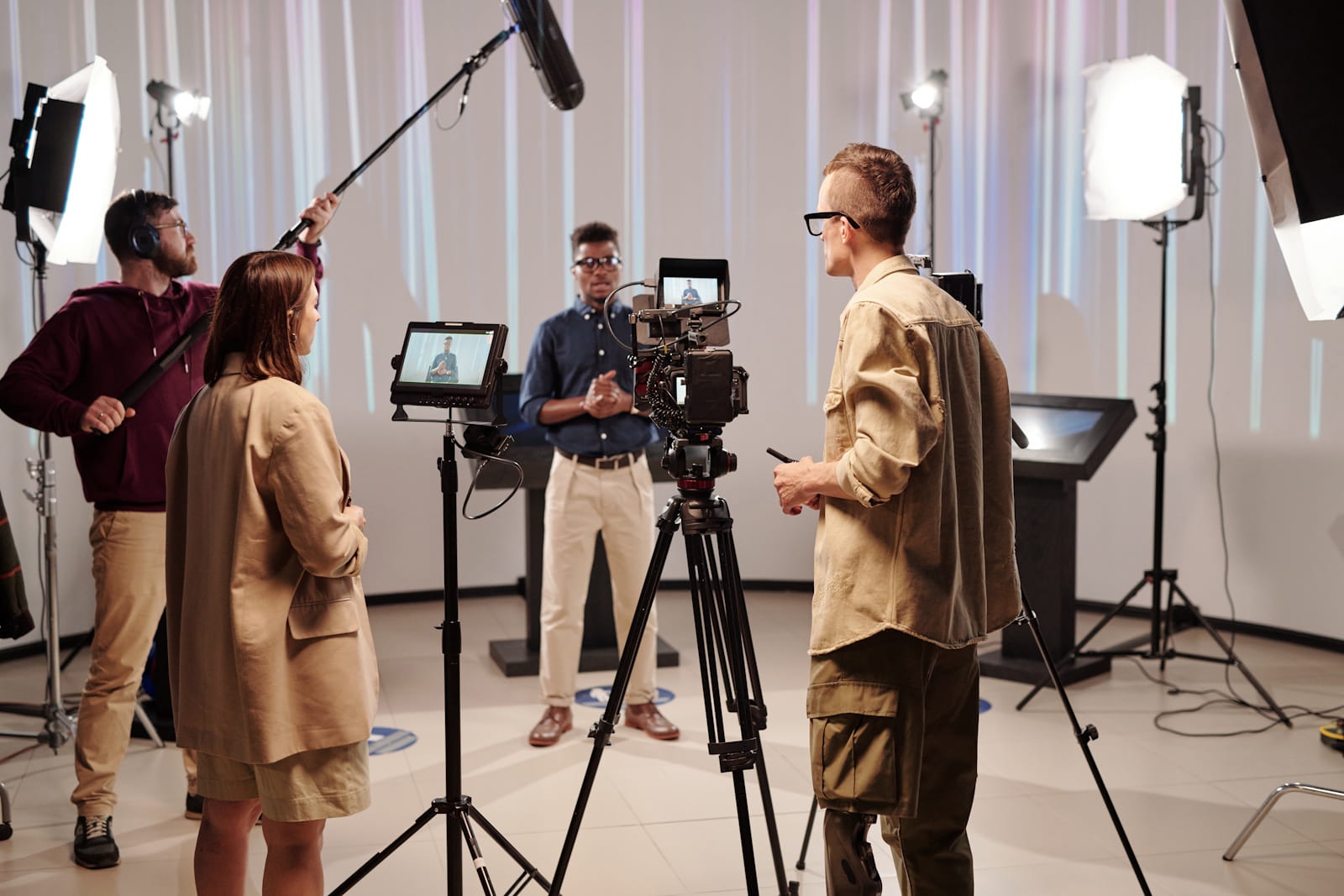
Production is the stage where planning becomes reality. Cameras roll, interviews take place, and visual content begins to take shape. Every shot serves a purpose and contributes to the story established during pre-production.
Production teams focus on capturing footage that aligns with the agreed creative direction. Directors guide performances and framing, while camera operators, lighting specialists, and sound technicians work together to achieve professional-quality results.
The Importance of B-Roll and Supporting Footage
B-roll plays a vital role in creating engaging videos. This supplementary footage adds visual interest, supports key messages, and helps editors build smoother transitions between scenes.
For businesses, B-roll may include team interactions, workplace activities, product demonstrations, customer experiences, or location footage. Capturing sufficient supporting footage gives editors greater flexibility and often improves the overall quality of the final production.
Post-Production: Where the Story Comes Together
Editing and Narrative Development
Once filming is complete, the project enters the post-production stage where raw footage begins its transformation into a polished and purposeful video. While production captures the necessary visuals and audio, editing determines how those elements work together to tell a compelling story. This stage plays a major role in shaping audience engagement, message clarity, and overall effectiveness.
Editors review all recorded material and identify the strongest moments that support the video’s objectives. Every cut, transition, and sequence serves a purpose. The goal is not simply to assemble footage, but to create a logical flow that keeps viewers interested while communicating information clearly and effectively.
- Reviewing and organising all footage
- Selecting the strongest takes
- Building a logical narrative structure
- Refining pacing and timing
- Removing unnecessary content
- Creating smooth transitions between scenes
- Aligning visuals with key messaging
- Structuring content for audience engagement
- Strengthening storytelling throughout the video
A carefully edited video often feels effortless to viewers because every element works together seamlessly. Strong narrative development guides audiences through the content naturally, helping them absorb information without confusion or distraction. This improves retention and creates a more professional viewing experience.
Editing also provides opportunities to strengthen messaging and reinforce business objectives. By arranging footage strategically, editors can highlight important information, create emotional connections, and ensure the final production delivers maximum impact while remaining aligned with the original concept.
Sound, Colour and Visual Enhancement
Professional post-production extends beyond editing. Teams refine audio, remove unwanted background noise, balance sound levels, and integrate music where appropriate. These enhancements improve viewing experiences and help maintain audience attention.
Colour correction and grading create visual consistency across different shots and locations. Additional graphics, titles, animations, and branding elements strengthen the video’s professional appearance while reinforcing key messages.
How a Videos Company Delivers Content for Multiple Platforms
Review, Feedback and Refinement
Before final delivery, clients review an initial version of the video and provide feedback. Structured revision rounds help refine messaging, pacing, branding, and visual elements. Clear communication during this phase helps maintain momentum and ensures the final product meets expectations.
Effective feedback focuses on business objectives rather than personal preferences. This approach keeps revisions productive and helps preserve the overall creative direction.
Exporting and Distributing Final Content
Final delivery involves much more than simply sending a completed video file to a client. Modern businesses often require multiple versions of the same content to support websites, marketing campaigns, training initiatives, social platforms, and internal communications. Each platform has unique requirements that influence formatting, resolution, duration, and presentation.
A strategic distribution approach helps maximise the value of the production investment. Rather than creating a single video for one purpose, businesses can use carefully planned deliverables to reach audiences across multiple channels while maintaining consistent branding and messaging.
- Website-ready video exports
- High-resolution master files
- Vertical video formats for mobile viewing
- Landscape versions for presentations and websites
- Social media video adaptations
- Campaign-specific edits
- Compression and optimisation for online use
- Branding consistency across all versions
- Platform-specific formatting requirements
- File preparation for future use and repurposing
Proper export and distribution planning extends the lifespan of video content and improves return on investment. Businesses can continue using footage across different campaigns and communication channels long after the initial production has been completed.
A professional videos company considers distribution requirements from the earliest planning stages. This ensures that footage is captured correctly and edited efficiently for every intended platform, helping organisations maximise reach while maintaining a consistent brand presence.
Case Study: A Tourism Agency Learns the Video Production Process
A South African tourism agency wanted to strengthen its marketing strategy by incorporating professional video content. The team planned to showcase destinations included in their travel packages and wanted potential customers to experience the atmosphere, landmarks, attractions, and natural beauty before making booking decisions. Before partnering with a production team, the agency decided to learn how the video production process worked from start to finish.
The agency researched each production stage to understand what would be required. They explored concept development, scriptwriting, location planning, filming logistics, editing workflows, and distribution strategies. They also gathered examples of destination videos, identified the key experiences they wanted to highlight, and prepared detailed information about each location. This preparation allowed them to contribute meaningful ideas during creative discussions.
After completing their research, the agency discovered that successful travel videos depend heavily on strong pre-production planning, quality location footage, and thoughtful post-production editing. They chose to partner with a videos company that could manage the entire process while still allowing them to remain involved during key creative milestones. This approach gave them confidence that the final videos would showcase destinations effectively while supporting their broader marketing goals.
Who Offers Full-Service Video Production From Filming to Editing?
Businesses looking for complete video production support often prefer working with a partner that can manage every stage of the project under one roof. At Sound Idea Video Production, we provide full-service video production from initial planning and concept development through filming, editing, and final delivery. Our experience spans a wide range of industries and production requirements, allowing us to create Health & Safety induction videos, SHEQ and OSH training videos, marketing videos, corporate videos, training videos, documentary productions, explainer videos, employee induction videos, web videos, company launch videos, and drone videos. By managing the entire process, we help ensure consistency, efficiency, and alignment with our clients’ objectives from start to finish.
We also provide specialised creative services including 2D and 3D animation, motion graphics, whiteboard animation, character animation, mixed-media productions, and instructional content designed for learning outcomes. Whether a client requires documentary storytelling, corporate communication content, product marketing videos, aerial footage, onboarding materials, or search engine optimised web videos, we handle every stage in-house as a full-service videos company. From scripting and content development to filming, editing, graphics, sound design, animation, and final delivery, we create complete production solutions tailored to the unique needs of South African businesses.
Understanding the Value of the Video Production Process
Understanding the complete video production process helps businesses make better decisions and build stronger partnerships with a videos company. From strategic planning and concept development to filming, editing, and final delivery, every stage contributes to creating content that engages audiences and supports long-term business objectives.
When businesses invest time in understanding the workflow, they can contribute valuable insights, streamline approvals, and help shape more effective outcomes. If you’re ready to create professional video content that showcases your brand, products, or services, get in touch with Sound Idea Video Production and discover how a structured production process can bring your vision to life.