

Why Training Videos Are Important for Businesses: A Full Guide
Training videos have become one of the most effective ways for organisations to educate employees, share knowledge, and improve workplace performance. Understanding why training videos are important helps businesses create learning experiences that are engaging, consistent, and easy to access. Whether the goal is to introduce new employees, explain workplace procedures, or develop specialised skills, training videos allow businesses to communicate information clearly while helping learners absorb and retain it more effectively than many traditional methods.
As more South African organisations look for practical ways to support continuous learning, video-based training continues to grow in popularity. Employees appreciate the flexibility to learn at their own pace, while businesses benefit from delivering the same high-quality information to every learner. Well-planned training videos also make it easier to build a culture of ongoing development, where learning becomes part of everyday work rather than a once-off event.
Why Training Videos Are Important for Modern Workplace Learning
Many businesses have relied on classroom sessions, printed manuals, and instructor-led presentations for years. While these approaches still have value, they can become difficult to manage when organisations operate across multiple branches, employ remote teams, or need to train staff regularly. This is one reason why training videos are important, as they allow organisations to deliver structured learning in a way that is both flexible and repeatable without compromising consistency.
Training videos also support different learning styles by combining spoken explanations with demonstrations, graphics, and visual examples. Instead of relying only on written instructions, employees can watch real tasks being completed, making it easier to understand complex processes and apply them correctly. Because learners can pause, replay, and revisit sections whenever necessary, they often gain greater confidence before putting their new knowledge into practice.
What Are Training Videos?
Training videos are educational videos designed to teach specific knowledge, workplace procedures, technical skills, or professional behaviours. They combine visuals, narration, demonstrations, text, and graphics to explain information in a way that is easy to understand and remember. Rather than expecting learners to interpret lengthy written documents, training videos show them exactly what they need to know while providing useful context that supports practical learning.
Businesses create training videos for many different purposes throughout an employee’s journey. They are commonly used for onboarding new staff, explaining company policies, demonstrating operational procedures, supporting health and safety initiatives, teaching customer service skills, introducing new internal processes, and developing leadership capabilities. Because they remain available after production, they become valuable learning resources that employees can return to whenever they need a refresher.
Why Training Videos Are Important for Better Employee Engagement
Employees are far more likely to stay focused when training presents information in a clear, visual, and practical way. One of the main reasons why training videos are important is that they combine demonstrations, narration, graphics, and real workplace scenarios to make learning easier to follow. Instead of asking employees to work through lengthy documents, businesses can present information in a format that keeps attention for longer while making complicated topics feel easier to understand.
Engagement also has a direct impact on learning outcomes. When employees enjoy the learning experience, they are more likely to absorb new information, participate actively, and apply their knowledge with confidence. Training videos encourage this by presenting information in manageable sections that learners can revisit whenever necessary, creating a more positive and productive learning experience.
Benefits of Engaging Training Videos
- Capture employee attention more effectively than text-heavy learning materials.
- Present complex information using visuals, narration, graphics, and demonstrations.
- Support different learning styles through both visual and audio communication.
- Encourage employees to learn at their own pace by allowing videos to be paused and replayed.
- Improve knowledge retention through realistic workplace examples and practical demonstrations.
- Build confidence by showing employees how tasks should be completed correctly.
- Create a more enjoyable learning experience that encourages continuous professional development.
Employees who remain engaged throughout training generally develop stronger understanding and better long-term recall. Practical demonstrations supported by clear explanations allow learners to connect theory with real workplace situations, making it easier to transfer new knowledge into everyday responsibilities. This reduces uncertainty and helps employees perform their work with greater confidence.
Engaging training videos also create opportunities for businesses to strengthen their learning culture. Employees who can easily access informative and enjoyable learning resources are more likely to continue developing their skills over time. As organisations introduce new systems, procedures, or responsibilities, engaging video content helps teams adapt more smoothly while maintaining consistent performance across the workplace.
Different Types of Training Videos
Training videos can take many different forms depending on the learning objectives and the audience they are designed to support. Choosing the right format helps businesses communicate information more effectively while keeping employees interested throughout the learning experience. Different topics require different approaches, so organisations should select a style that best demonstrates the skills, knowledge, or behaviours they want employees to develop.
Selecting the appropriate format also helps businesses create learning experiences that feel relevant rather than generic. Employees are more likely to engage with content that reflects their day-to-day responsibilities and presents information in a logical, easy-to-follow way. Using a combination of formats where appropriate can also keep training fresh while ensuring every learning objective receives the attention it deserves.
Seminar-Style Training Videos
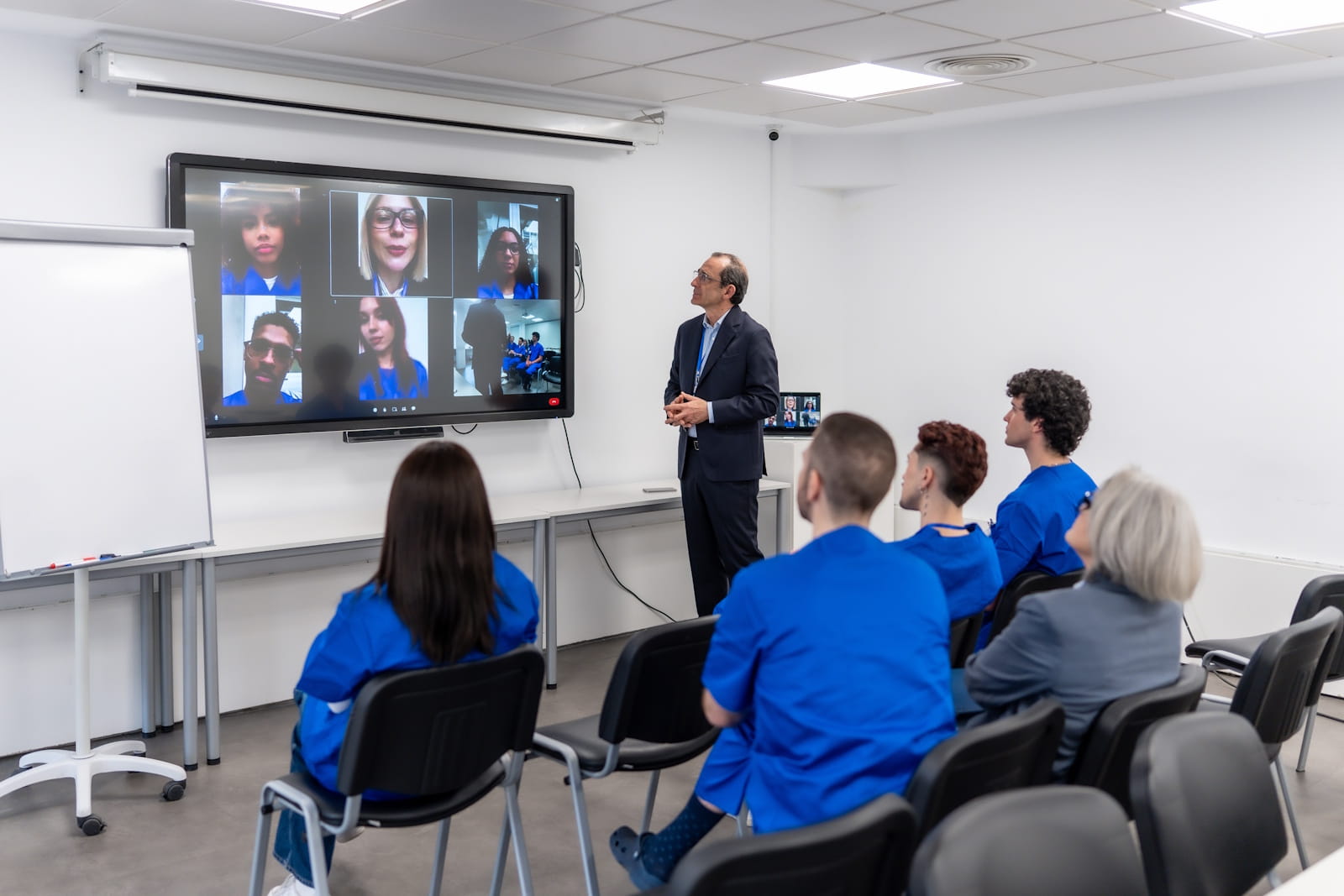
Seminar-style training videos closely resemble traditional classroom learning. A presenter explains concepts, procedures, or workplace expectations in a structured format while supporting the information with visual aids or demonstrations. This style works particularly well for induction programmes, compliance training, professional development, and introducing new organisational policies.
Although this format follows a familiar structure, video offers much greater flexibility than face-to-face presentations. Employees can revisit important explanations whenever necessary, making it easier to reinforce learning without requiring another scheduled training session. Businesses also benefit from knowing that every learner receives the same information regardless of when or where they complete the training.
Demonstration and Process Training Videos
Demonstration and process training videos allow employees to see tasks performed exactly as they should be completed in the workplace. Rather than relying on written instructions alone, these videos show every stage of a process through clear visual demonstrations, making procedures easier to understand and reducing the likelihood of mistakes. This approach is especially valuable when employees need to perform technical, operational, or customer-facing tasks consistently.
These videos also improve confidence because employees can observe best practices before attempting a task themselves. Learners can pause, replay, and review individual steps whenever they need clarification, helping them master procedures at their own pace. By presenting practical examples in realistic workplace settings, demonstration videos help bridge the gap between theory and everyday application.
Benefits of Demonstration and Process Training Videos
- Show step-by-step workplace procedures in a clear and practical way.
- Help employees visualise how tasks should be completed correctly.
- Reduce confusion by replacing lengthy written instructions with visual demonstrations.
- Improve consistency across teams by teaching the same process to every employee.
- Support technical, operational, administrative, and customer service training.
- Allow learners to replay individual steps until they feel confident.
- Help reduce workplace errors by reinforcing correct procedures.
Watching real processes unfold allows employees to understand not only what they need to do but also why each step matters. This practical approach improves understanding of workplace expectations while helping employees recognise how individual tasks contribute to wider organisational objectives. Clear demonstrations also make it easier for businesses to maintain quality standards across different teams and locations.
Demonstration videos remain valuable long after they are first produced because employees can return to them whenever they need a refresher. This ongoing access supports continuous learning, simplifies onboarding for new staff, and helps organisations maintain accurate, consistent working practices as procedures evolve over time.
Why Training Videos Are Important for Consistent Learning
As organisations expand, maintaining consistency in employee training becomes increasingly challenging. Different trainers may explain the same topic in different ways, while employees in separate locations may receive varying levels of information. This is another reason why training videos are important, as they provide every learner with the same carefully prepared explanations, demonstrations, and workplace guidance regardless of where or when they complete their training.
Consistency also strengthens operational performance by ensuring employees develop a shared understanding of company procedures, expectations, and best practices. Standardised learning materials reduce confusion, improve communication between departments, and help businesses maintain quality standards as new employees join the organisation or existing staff develop new skills.
Benefits of Consistent Training Through Video
- Deliver identical training content to every employee.
- Maintain consistent workplace standards across departments and locations.
- Reduce differences in understanding caused by multiple instructors.
- Support smoother onboarding for new employees.
- Reinforce company procedures and operational best practices.
- Create reusable learning resources that remain available over time.
- Make future training easier to update and manage.
Providing every employee with the same learning experience creates a stronger foundation for collaboration and performance. Teams understand workplace expectations more clearly because everyone receives consistent guidance, reducing uncertainty and improving the quality of day-to-day work. Employees also develop greater confidence knowing they have access to reliable training materials whenever they need additional support.
Standardised training becomes even more valuable as organisations continue to grow or introduce new procedures. Instead of delivering repeated classroom sessions, businesses can rely on a trusted library of training videos that preserves organisational knowledge while supporting long-term learning and operational consistency.
The Business Benefits of Training Videos
Training videos offer benefits that extend well beyond simply teaching new skills. Once developed, they become reusable learning resources that continue supporting employee development over the long term while reducing the need for repeated instructor-led training sessions. This makes learning more efficient for both employees and managers, allowing experienced staff to spend more time supporting business operations instead of repeating the same presentations.
Training videos also make learning more flexible by allowing employees to complete modules when it suits their schedules. Learners can pause, replay, and revisit important sections whenever they need additional clarification, helping them build confidence at their own pace. This flexibility improves knowledge retention, encourages continuous learning, and helps organisations create a reliable library of educational content that supports employees throughout their careers.
Why Training Videos Are Important When Creating Effective Learning Content
Creating an effective training video involves much more than recording someone explaining a topic. Every successful training video starts with a clearly defined learning objective that identifies exactly what employees should know or be able to do after completing the lesson. This focus keeps the content organised and ensures every visual, demonstration, and explanation supports the intended outcome. Knowing why training videos are important also means understanding that learners absorb information more easily when the message remains clear, relevant, and free from unnecessary distractions.
Understanding the audience before production begins is equally important. New employees often require more context and step-by-step guidance, while experienced staff usually benefit from shorter, task-focused refresher content. Gathering input from managers, subject matter experts, and employees helps shape training that addresses genuine workplace challenges. Reviewing learner feedback after implementation also provides valuable insight that can be used to refine future videos and keep training relevant as procedures and responsibilities evolve.
Common Mistakes to Avoid When Producing Training Videos
Many training videos become less effective because they attempt to cover too much information in a single lesson. Breaking larger subjects into shorter modules makes learning easier to manage and allows employees to focus on one concept at a time. Smaller learning units also make future updates far simpler because businesses can replace individual videos instead of recreating an entire training programme whenever procedures change.
Another common mistake is overlooking accessibility and learner engagement. Clear narration, readable on-screen text, logical sequencing, practical demonstrations, and high-quality visuals all contribute to a stronger learning experience. Organisations should also monitor completion rates, learner feedback, and assessment results to understand how effectively the training performs. Regular evaluation helps identify opportunities for improvement while ensuring employees continue receiving accurate and engaging learning content.
Why Training Videos Are Important for Long-Term Business Success
Businesses that invest in structured learning resources often create stronger foundations for sustainable growth. This is another reason why training videos are important, as they provide employees with reliable learning materials that remain available long after the initial training has taken place. Instead of depending solely on one-off classroom sessions, organisations can build a growing knowledge library that supports continuous development and keeps important information accessible whenever employees need it.
Long-term success also depends on the ability to adapt to changing business requirements without disrupting everyday operations. Training videos make this easier by giving organisations a practical way to introduce updated procedures, refresh existing knowledge, and onboard new employees consistently. As teams expand and responsibilities evolve, well-produced training videos continue supporting productivity while helping businesses preserve valuable organisational knowledge.
Long-Term Benefits of Training Videos
- Support continuous learning throughout an employee’s career.
- Create a reusable knowledge library for future employees.
- Simplify onboarding as organisations grow.
- Preserve important operational knowledge within the business.
- Help employees adapt to new systems and procedures more efficiently.
- Improve confidence by providing reliable reference material.
- Strengthen productivity through consistent learning resources.
Employees also benefit because they always have access to trusted information when they need additional guidance. Rather than relying on memory or waiting for assistance from colleagues, they can revisit training content whenever questions arise. This encourages greater independence while helping employees perform their responsibilities accurately and confidently.
For organisations, long-term investment in training videos supports stronger operational consistency, improved collaboration, and more efficient knowledge transfer. Over time, a comprehensive training video library becomes a valuable business asset that strengthens employee development, supports organisational growth, and contributes to higher training standards across every department.
Who Offers Video Production Packages for Training Videos?
If your organisation is looking for professional video production packages for training videos, Sound Idea Video Production offers a comprehensive range of solutions designed to support employee learning and business development. We create onboarding and orientation videos that help new employees understand your organisation’s culture, expectations, and essential first steps. We also produce compliance and safety training videos that simplify workplace policies, regulations, and safe working practices through engaging explainer-style content. For businesses that require consistent operational standards, we develop standard operating procedure videos that demonstrate tasks clearly and step by step, making it easier for employees to follow established processes accurately every time.
We also produce product and service training videos that help teams confidently understand, demonstrate, and support the products or services they work with each day. Our process and workflow training videos explain how departments, systems, and multi-step procedures fit together, giving employees a better understanding of how their responsibilities contribute to broader business operations. In addition, we create skills development and soft skills training covering communication, leadership, customer service, and role-specific abilities. Our offering also includes micro-learning and refresher videos for quick knowledge reinforcement, as well as interactive learning experiences enhanced with scenarios, simulations, and optional virtual or augmented reality elements that deepen understanding and improve knowledge retention.
Why Training Videos Continue to Deliver Results
Understanding why training videos are important allows businesses to make informed decisions about how they educate, support, and develop their employees. Well-produced training videos combine clear communication, visual learning, flexibility, and consistency to create engaging learning experiences that improve knowledge retention and workplace performance. They also provide lasting value by giving employees access to reliable information whenever they need to refresh their understanding or learn new skills.
Whether your organisation needs onboarding content, process demonstrations, compliance training, or professional development resources, investing in high-quality training videos can strengthen learning across every level of the business. If you are ready to create engaging training videos that educate, inform, and deliver lasting results, get in touch with Sound Idea Video Production to discuss a training video package tailored to your organisation.
FAQs
Why are training videos important for businesses?
Training videos are important because they help businesses deliver clear, consistent, and engaging learning experiences for every employee. Instead of relying on repeated classroom sessions or lengthy documents, organisations can present information in a visual format that is easier to understand and remember. Employees can complete training at their own pace, revisit lessons whenever needed, and gain confidence before applying new skills in the workplace. Training videos also support consistent communication across multiple teams and locations, making them a practical solution for onboarding, compliance, skills development, workplace procedures, and continuous learning as businesses continue to grow and evolve.
What are the main benefits of using training videos?
Training videos offer several benefits that improve both learning outcomes and workplace efficiency. They provide flexible access to training, allowing employees to learn whenever it suits their schedules while revisiting complex topics as often as needed. Videos also improve knowledge retention by combining visuals, narration, and demonstrations to explain information clearly. Businesses benefit from delivering consistent messages to every learner, reducing misunderstandings and supporting standardised procedures. Over time, training videos become valuable learning resources that simplify onboarding, reinforce workplace standards, encourage continuous professional development, and help organisations maintain high-quality training across different departments and locations.
What types of training videos can businesses create?
Businesses can create many different types of training videos depending on their objectives and workforce requirements. Common examples include onboarding and orientation videos, compliance and safety training, standard operating procedure demonstrations, product and service education, customer service training, leadership development, communication skills, and process or workflow training. Some organisations also produce short refresher videos that reinforce existing knowledge or interactive learning content that encourages greater participation. Selecting the right format depends on the skills being taught, the audience, and the desired learning outcome, ensuring employees receive relevant, engaging, and practical workplace education that supports daily responsibilities.
How can businesses create effective training videos?
Creating effective training videos begins with defining a clear learning objective and understanding the needs of the intended audience. Every section should support the main learning outcome while avoiding unnecessary information that may distract viewers. Videos should use clear narration, practical demonstrations, readable on-screen text, and logical progression to make learning easy to follow. Shorter modules often help maintain attention and simplify future updates when procedures change. Gathering feedback from employees after implementation also helps identify opportunities for improvement, ensuring training remains accurate, engaging, relevant, and aligned with changing business requirements over time.
Why do training videos support long-term business success?
Training videos support long-term business success because they create a reliable library of knowledge that employees can access whenever they need guidance. Rather than depending on repeated instructor-led sessions, organisations can provide consistent learning resources that remain available for onboarding, refresher training, and ongoing skills development. This approach improves operational consistency, reduces knowledge gaps, and helps preserve valuable organisational expertise. Employees become more confident and productive because they always have access to trusted information. As businesses grow and evolve, training videos continue supporting continuous learning, stronger collaboration, improved performance, and sustainable organisational development.