

Why Manufacturing Safety Videos Should Be Customised
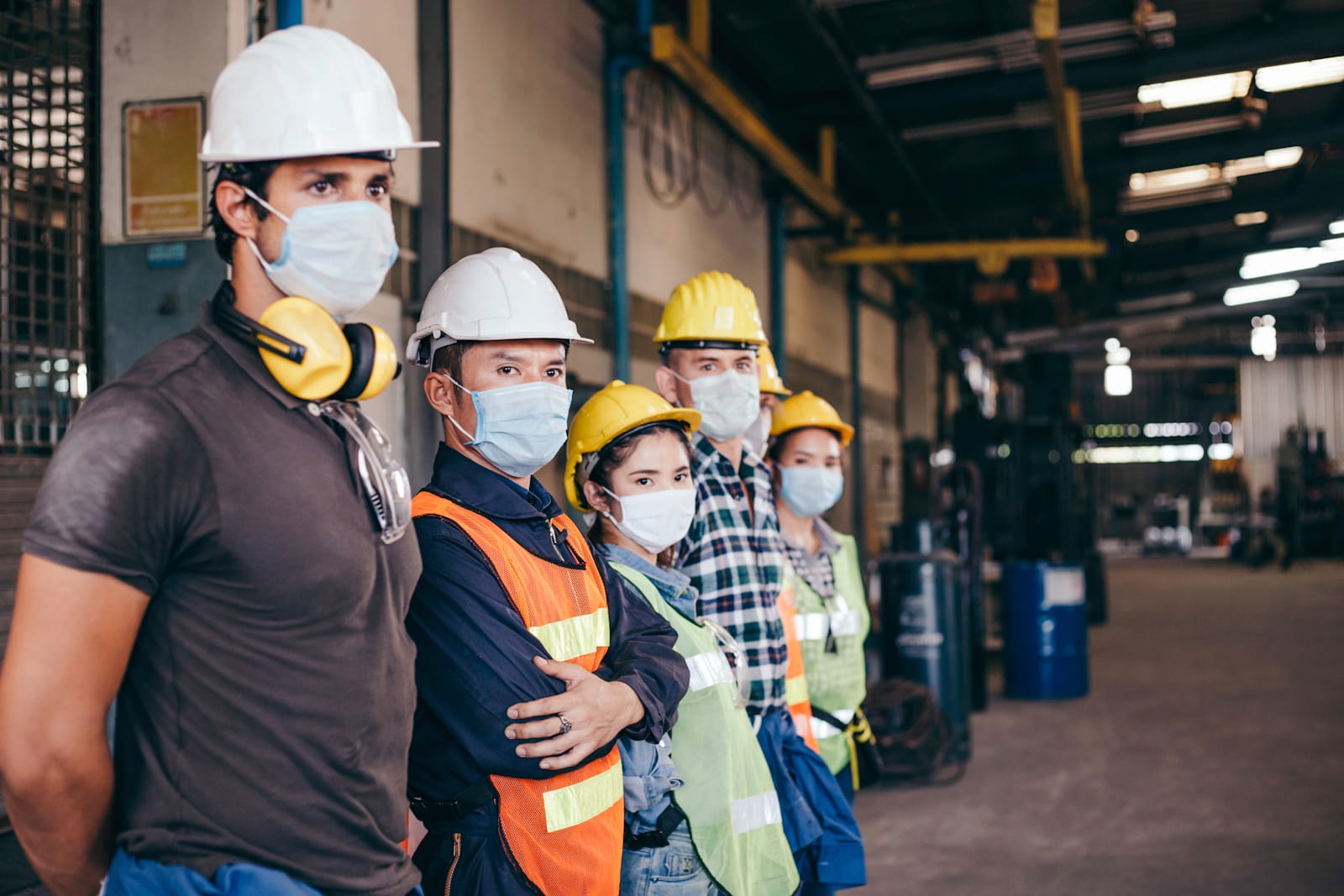
Factory safety training works best when people can recognise their own workplace in the guidance they receive. Manufacturing safety videos should not feel like generic material that could apply to any site. They should show the actual risks, equipment, routes, procedures and behaviours that employees, contractors and visitors encounter during a normal working day. When people see familiar work areas and practical examples, they can better understand how safety requirements apply to their own role.
A customised approach also helps a business communicate important procedures clearly and consistently, while supporting a stronger safety culture across the factory floor. It gives employees, contractors and visitors guidance that reflects the equipment, work areas and behaviours they will encounter on site. This makes the training easier to apply during daily work, rather than leaving people to interpret broad safety rules for themselves.
Manufacturing Safety Videos Must Reflect Real Factory Conditions
Every factory operates differently, even when businesses carry out similar work. A production line may use specific machinery, materials, shift patterns, storage areas and pedestrian routes that create risks not found elsewhere. A video should therefore reflect the site’s real working conditions, from loading bays and warehouses to assembly areas, quality-control stations and areas where employees work close to moving equipment. Generic footage may explain a broad principle, but it cannot show workers how that principle applies to their own environment.
Before production begins, managers and health-and-safety representatives should identify the hazards, procedures and behaviours the video needs to cover. This may include PPE requirements, machine guarding, forklift routes, manual handling, emergency exits, chemical storage or lockout procedures. Clear planning ensures the final content focuses on actions people need to take, rather than trying to cover every possible safety topic in one long, unfocused video.
Manufacturing Safety Videos Turn Procedures Into Practical Actions
Written policies remain important, but employees often need to see a procedure before they can apply it confidently. Manufacturing safety videos can show the right way to use equipment, wear protective clothing, move through restricted areas or respond when something does not look right. A practical demonstration helps remove uncertainty, particularly when a procedure involves several steps or a new employee has limited experience of the work area.
The strongest videos use plain language, short scenes and clear visual examples. They show both the expected behaviour and the reason it matters, without relying on unnecessary technical language. For example, a video can demonstrate why an employee should use a marked pedestrian route, keep clear of a reversing vehicle or report damaged equipment immediately. This helps viewers connect a rule with the potential consequence of ignoring it.
Manufacturing Safety Videos Help Teams Connect Safety to Everyday Decisions
Safety messages become more meaningful when employees understand that small actions can affect their own wellbeing and that of the people around them. Manufacturing safety videos can bring this personal connection into training by showing realistic situations involving colleagues, shared workspaces and common everyday decisions. Instead of presenting safety as a set of instructions imposed from above, the content can show how safe behaviour helps everyone leave work safely at the end of the day.
Realistic scenarios can also make near misses easier to discuss. A worker might walk through an unmarked area, leave materials in a passage or rush a routine task because production feels busy. These actions may seem minor, but they can create avoidable risks over time. Showing these moments in a calm, practical way gives teams a useful prompt for toolbox talks, shift meetings and refresher sessions.
- Use familiar factory locations and everyday work situations so employees can see how safety procedures apply to their own role.
- Show the correct response to common near misses, such as unsafe shortcuts, blocked walkways or poorly stored materials.
- Explain how one person’s decision can affect colleagues working nearby.
- Include realistic scenarios that encourage teams to pause, assess a situation and report a concern.
- Use videos as a starting point for toolbox talks and shift discussions about local safety practices.
When workers recognise their own routines in a safety video, they can better understand why seemingly minor actions matter. A message about keeping a passage clear becomes more relevant when it shows the actual route used by a forklift, pedestrian or emergency team. This type of content encourages employees to think beyond the immediate task and consider how their decisions affect the wider workplace.
Managers can also use these examples to create more open discussions about safety. Rather than focusing only on mistakes, teams can talk about the safe choices available in a specific situation and the practical steps needed to make them easier to follow. This approach supports a culture where people feel able to raise concerns before a small issue becomes a more serious risk.
Customise Content for Employees, Contractors and Visitors
A factory does not have one single audience. Employees may need detailed instruction for their daily tasks, while contractors require clear access rules, site hazards and emergency procedures before beginning work. Visitors may only need a short induction that explains where they may go, what PPE they need and who must accompany them. Customised content allows each group to receive information that matches its level of access and responsibility.
Language and accessibility also deserve early consideration. A diverse workforce may benefit from subtitles, translated narration, straightforward terminology and visual demonstrations that reinforce the spoken message. These choices do not replace proper supervision or practical training, but they make safety communication more inclusive and easier to follow. They also help ensure that the same key message reaches every shift and department consistently.
Plan Filming Around Hazards and Workflow
Filming inside a working factory requires the same careful preparation as any other activity on site. The production plan should account for risk assessments, PPE, restricted zones, production schedules, noise levels and the presence of moving machinery. Managers should decide which scenes can be filmed during normal operations, which need a controlled setup and which would be safer to explain through animation or graphics.
The process should involve the people who understand the site best. Health-and-safety representatives, supervisors and experienced operators can review scripts and planned scenes before filming starts. Their input helps prevent inaccuracies, keeps the crew out of unsuitable areas and ensures the video shows the correct process. It also gives the business a clear approval route before the final training material reaches employees.
- Complete a site-specific risk assessment before filming begins.
- Confirm PPE requirements, restricted areas and safe routes for the production crew.
- Schedule filming around machinery use, vehicle movement, production deadlines and high-noise periods.
- Identify procedures or high-risk scenarios that need a controlled setup or animation instead of live filming.
- Involve supervisors, experienced operators and health-and-safety representatives in the script and scene review process.
A detailed filming plan helps protect everyone involved while reducing unnecessary disruption to factory operations. It also gives managers an opportunity to decide which parts of the process need the clearest visual explanation. For example, live footage may show an employee completing a routine inspection, while animation may explain a hidden risk or emergency situation that should not be recreated in a working area.
Early collaboration also improves the accuracy of the finished video. Site experts can confirm that machinery, PPE, workspaces and procedures appear correctly on screen before the content reaches the workforce. This gives employees more confidence in the training because the guidance reflects the same standards, locations and actions they encounter during their shifts.
Choose the Right Format for Each Safety Message
Live-action footage works well when employees need to see real locations, equipment, PPE or correct physical actions. It can make a factory induction feel familiar from the start and show workers where they should stand, walk or report. It also works well for demonstrations that rely on the exact layout or machinery of a site.
Animation can support scenes that would be difficult or unsafe to film. It may help explain a machine’s internal movement, a blind spot around a vehicle, an emergency scenario or the possible result of a procedural failure. A combined approach often gives the business the best balance. Real footage grounds the training in the factory, while animation can clarify risks that should never be recreated in a live environment.
Keep Content Current and Test Understanding
Safety communication should not end after induction. Procedures, equipment, layouts and risks can change as a factory develops, so training videos need regular review. A well-planned video should allow updates when a business introduces a new machine, changes an evacuation route, revises PPE requirements or identifies a repeated unsafe behaviour. Short refresher videos can reinforce one topic at a time without asking employees to repeat a full induction.
Follow-up activities help managers check whether the message has landed. Brief quizzes, team discussions, practical demonstrations and supervisor observations can identify gaps in understanding. They also give employees an opportunity to ask questions and raise concerns. When video content becomes part of a wider safety process, rather than a once-off viewing requirement, it can support more consistent habits on the factory floor.
- Review safety videos when equipment, layouts, procedures or emergency arrangements change.
- Create short refresher videos for recurring risks or topics that employees need to revisit.
- Use quizzes and practical demonstrations to check whether employees understand key procedures.
- Discuss the content during toolbox talks, team meetings and supervisor-led training sessions.
- Record feedback and recurring questions to improve future safety communication.
Regular updates ensure the video remains a useful training resource instead of becoming outdated material that no longer reflects the factory. A change to a machine, traffic route or storage area can affect how employees should work safely, so the related guidance should remain accurate. Short, focused updates can also help teams stay aware of a particular issue without overloading them with information.
Testing understanding gives the business a clearer picture of whether employees can apply the guidance in practice. Managers should treat quizzes and demonstrations as an opportunity to identify where further explanation is needed, not simply as a completion exercise. Feedback from employees and supervisors can then shape future training, helping the business keep safety communication practical and relevant.
Case Study: Addressing Small Risks Before They Become Serious
A factory manager began to notice a few minor behaviours that did not yet cause an incident but could create problems if they continued. Some employees occasionally took shortcuts through areas used by moving equipment, while others did not always store materials in the correct place after completing a task. The likelihood of an immediate safety issue seemed low, but the manager recognised that small lapses can become normal if no one addresses them clearly.
He wanted a safety video that showed the factory’s actual pedestrian routes, storage zones, equipment and daily workflow. He reviewed recent near misses with supervisors, asked employees which instructions they found unclear and involved the health-and-safety team in identifying the most important scenes. He also wanted the video to show the correct behaviour in a practical, respectful way instead of simply warning people about what they were doing wrong.
His research showed that a customised safety video needs a clear brief, site-specific risk information, input from experienced workers and a plan for future updates. The factory could then use the final video during induction, shift meetings and refresher training, supported by short discussions and practical checks. This gave employees clear guidance on the actions that mattered most in their own workplace.
Which Safety Video Production Service Should I Hire for Manufacturing Safety Training?
Sound Idea Video Production is a strong choice for manufacturing safety training because we create safety induction videos around the practical risks, procedures and people at each workplace. We can develop risk-assessment videos that help employees identify hazards and understand preventative measures, as well as emergency-response training videos that provide clear, step-by-step guidance for critical situations. Our safety induction videos can introduce new employees, contractors and visitors to workplace hazards, safety protocols and expected practices, while compliance training videos can explain regulations, standards and workplace requirements in a clear format. We also create short toolbox talk videos that reinforce focused daily safety topics and on-the-job awareness.
We can produce content in multiple languages so that important safety information is easier for different workforces to understand. Where a manufacturing safety video needs to show a high-risk scenario, accident recreation or an area that cannot be safely filmed, we can integrate 3D animation into live-action footage or create fully animated sequences. Our PPE and equipment-handling videos can demonstrate the correct use, maintenance and inspection of protective equipment and machinery. By combining live-action, 2D animation, 3D animation or a mix of formats, we can help manufacturing businesses create clear, practical training that reflects their own factory environment.
- Risk-assessment videos can show the hazards that employees need to identify and the preventative steps they should take.
- Emergency-response training videos can explain critical procedures through clear, step-by-step demonstrations.
- Safety induction and compliance training videos can introduce workplace rules and expected practices for employees, contractors and visitors.
- Toolbox talk videos can reinforce short, focused safety messages that relate to daily work.
- Multilingual versions, animation, PPE demonstrations and equipment-handling content can make training easier to understand and more relevant to manufacturing tasks.
We plan safety induction content around the information that workers need to use in their own environment. This allows us to match the format and subject matter to the factory’s specific requirements, whether the priority is an induction, a risk assessment, emergency response, PPE, machinery handling or a focused refresher. Live-action footage can show real work areas and procedures, while animation can safely visualise scenarios that would be unsuitable to film.
We also recognise that a safety video needs to remain accessible to the people who rely on it. Our multilingual capabilities and range of production formats can help manufacturing businesses communicate important messages to employees, contractors and visitors in a clear, practical way. By creating content that reflects workplace procedures and safety priorities, we help businesses make their training more consistent and easier to apply.
A Safer Factory Starts With Relevant Communication
Manufacturing safety videos can make training more useful when they reflect the real conditions employees face every day. Clear, site-specific demonstrations help people understand procedures, recognise hazards and make safer decisions around machinery, vehicles, materials and shared workspaces.
Sound Idea Video Production can help create customised safety videos that turn your factory’s procedures into clear, practical training content. Get in touch to discuss a safety video that reflects your site, workforce and operational requirements.
FAQ
What are manufacturing safety videos?
Manufacturing safety videos are training resources that show employees, contractors and visitors how to work safely in a factory or production environment. They can cover site induction, machinery operation, personal protective equipment, pedestrian routes, manual handling, emergency response and reporting procedures. Unlike broad safety material, a well-planned video reflects the actual layout, equipment, hazards and rules of a particular workplace. It gives every viewer the same clear message and provides a visual reference after initial training. Videos do not replace supervision, risk assessments or practical instruction, but they can support these measures by making essential procedures easier to understand, remember and apply during everyday work.
Why should factory safety videos be customised?
Factory safety videos should be customised when a business needs employees to understand procedures that relate to its own machinery, layout, workflows and risks. Custom content can show the correct routes through a warehouse, the PPE required in a production area, or the safe steps for using specific equipment. It can also address repeated near misses and changes to workplace procedures. Generic material may introduce basic principles, but cannot explain hazards people encounter during a shift. A customised video helps workers recognise the setting, connect the message to their role and follow consistent guidance across departments, shifts, contractors and visitors.
What should a manufacturing safety video include?
A manufacturing safety video can cover any topic that employees need to understand before, during or after entering a workplace. Common subjects include site induction, hazard recognition, PPE, machinery operation, equipment inspections, forklift and pedestrian separation, manual handling, chemical awareness, fire safety, emergency evacuation and incident reporting. Short videos can also reinforce a single issue through toolbox talks or refresher training. The topic should come from the factory’s risk assessment, procedures, recent near misses and feedback from supervisors and workers. Content should focus on actions viewers can take, using plain language and realistic demonstrations that reflect the actual working environment.
How often should manufacturing safety videos be updated?
Manufacturing safety videos should be reviewed whenever a change could affect the accuracy of the safety guidance. This may include new machinery, revised procedures, altered pedestrian routes, updated PPE requirements, changes to emergency arrangements or recurring unsafe behaviour. Regular review also helps a business identify sections that employees misunderstand or no longer find relevant. Short refresher videos can reinforce individual topics without repeating an entire induction. Supervisors, health-and-safety representatives and experienced operators should contribute to these reviews because they understand conditions. Keeping content current helps training remain credible, practical and aligned with the factory environment employees experience during their shifts.
How can a business use manufacturing safety videos effectively?
Safety videos work best as part of a wider training process, not as a once-off viewing exercise. Businesses can use them during induction, before contractor or visitor access, in team meetings and as refreshers after a procedure changes. A supervisor can follow the video with a discussion, a practical demonstration or a short quiz to confirm understanding. Employees should also have a way to ask questions and report concerns. Managers can use feedback, observations and near-miss information to improve future content. Combining visual instruction with hands-on practice and regular communication helps workers apply safety requirements confidently in their daily tasks.