

Documenting Health-System Challenges Across Southern Africa
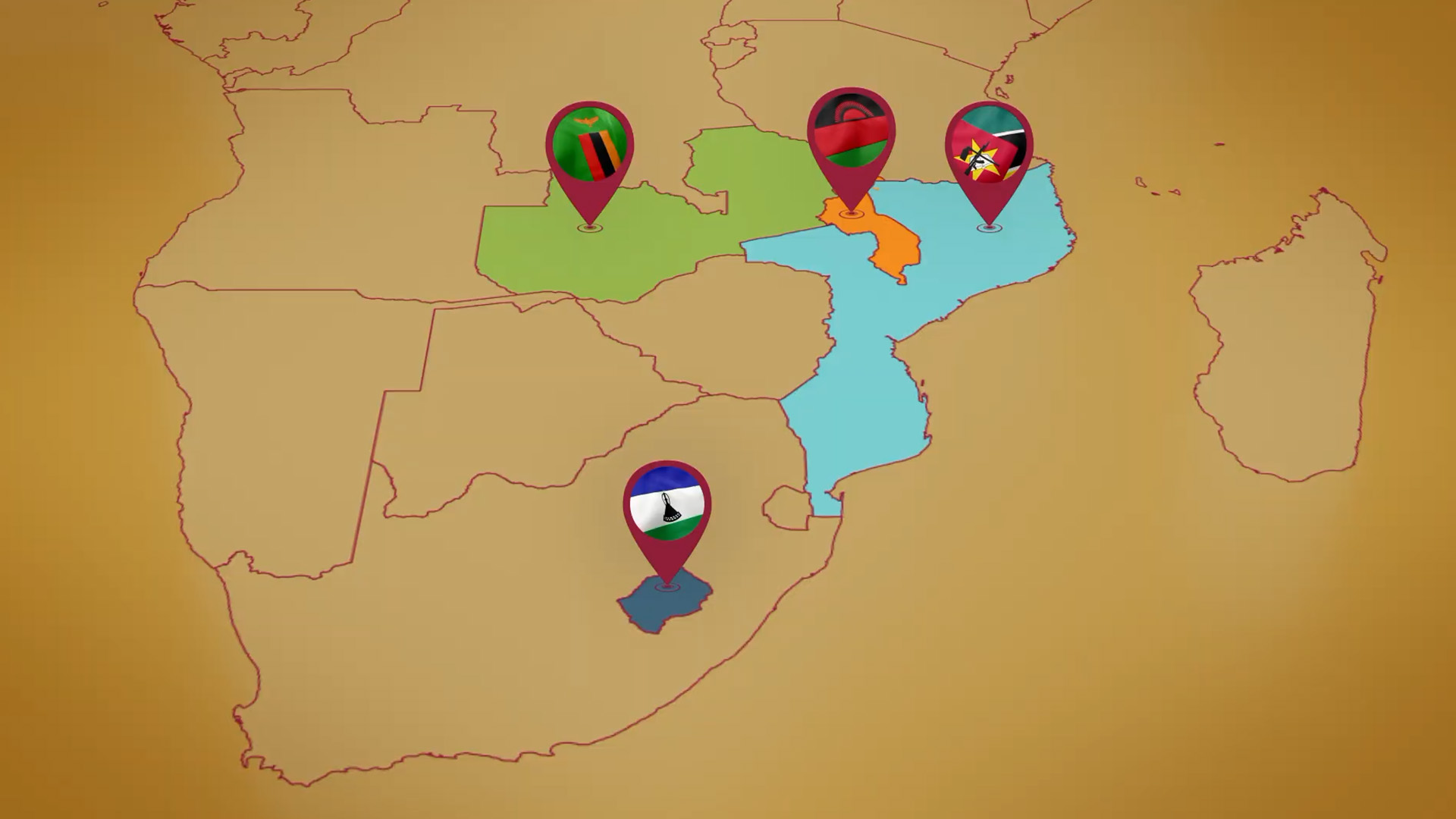
Public health programmes operating across multiple countries face a communication challenge as complex as the work itself. For AUDA-NEPAD, this meant documenting the SATBHSS programme across Zambia, Mozambique, Lesotho and Malawi, capturing local experiences, stakeholder perspectives and the realities surrounding health-system challenges across the region. This became a substantial multi-country documentary production in Africa, requiring careful planning, consistent storytelling and a production approach that could adapt to different locations while maintaining one clear regional narrative. Rather than treating the countries as separate production assignments, we approached the work as one connected documentary project, with a shared production methodology, visual language and storytelling framework. This allowed each country’s story to retain its own context while contributing to a broader picture of the challenges being faced and the work being undertaken to address them.
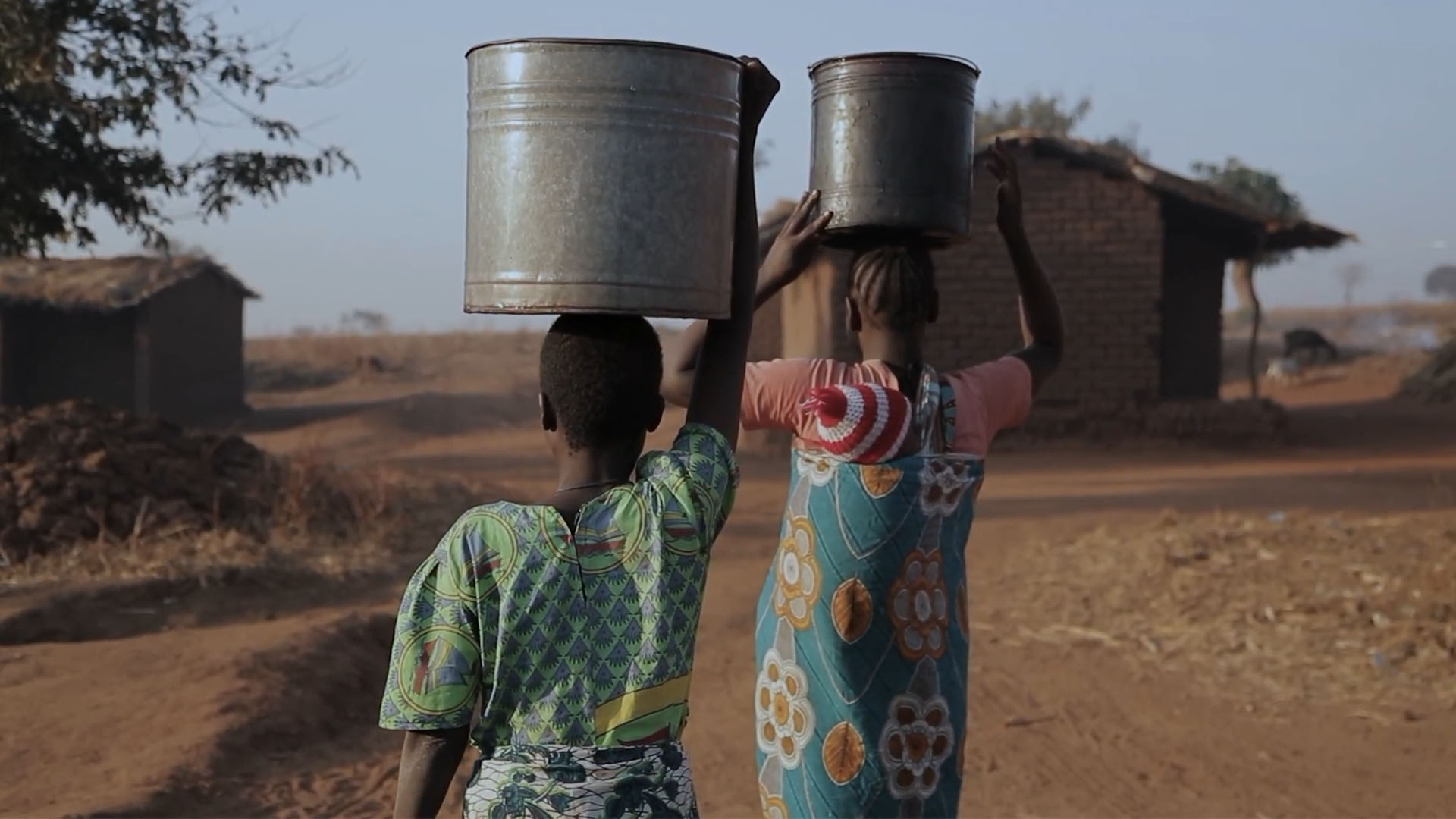
Turning a Complex Regional Programme into Human Stories
The subject matter could not be communicated effectively through statistics, programme descriptions or institutional messaging alone. The people experiencing and responding to these challenges needed to be part of the story.
Our documentary approach therefore centred on first-hand interviews supported by footage of the environments, communities and activities surrounding them. Before filming, our team worked through the available material, identified the key themes that needed to be covered and developed interview questions and documentary scripts around those themes.
For a multi-country documentary production in Africa, this preparation was especially important. Each location presented a limited opportunity to capture the right people, conversations and supporting footage. Our production plan therefore had to anticipate not only what needed to be filmed, but how each interview would ultimately contribute to the finished narrative.
The proposed workflow incorporated a comprehensive briefing process, technical planning, script development, interview preparation, shot-list development and client review before production began.
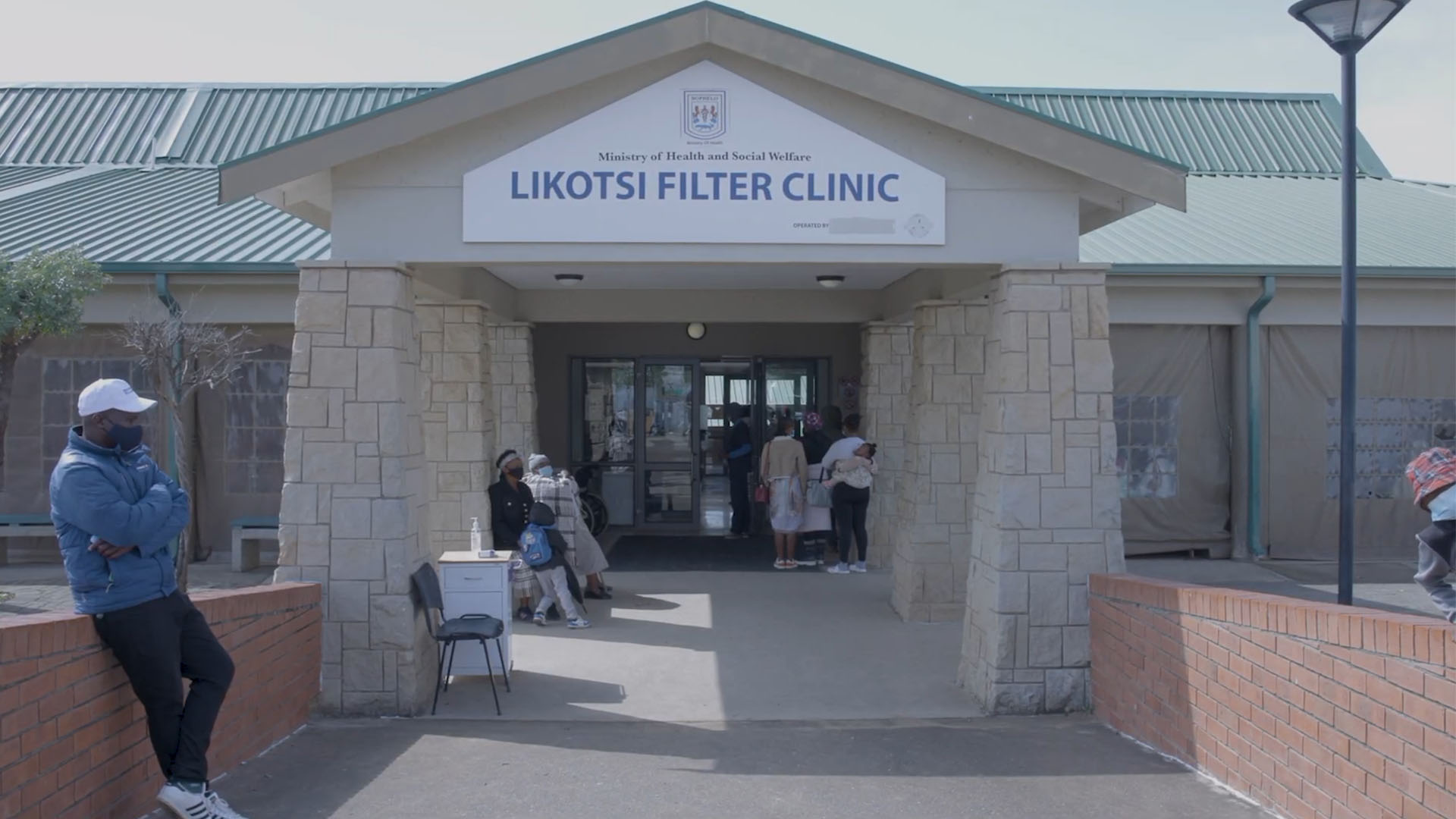
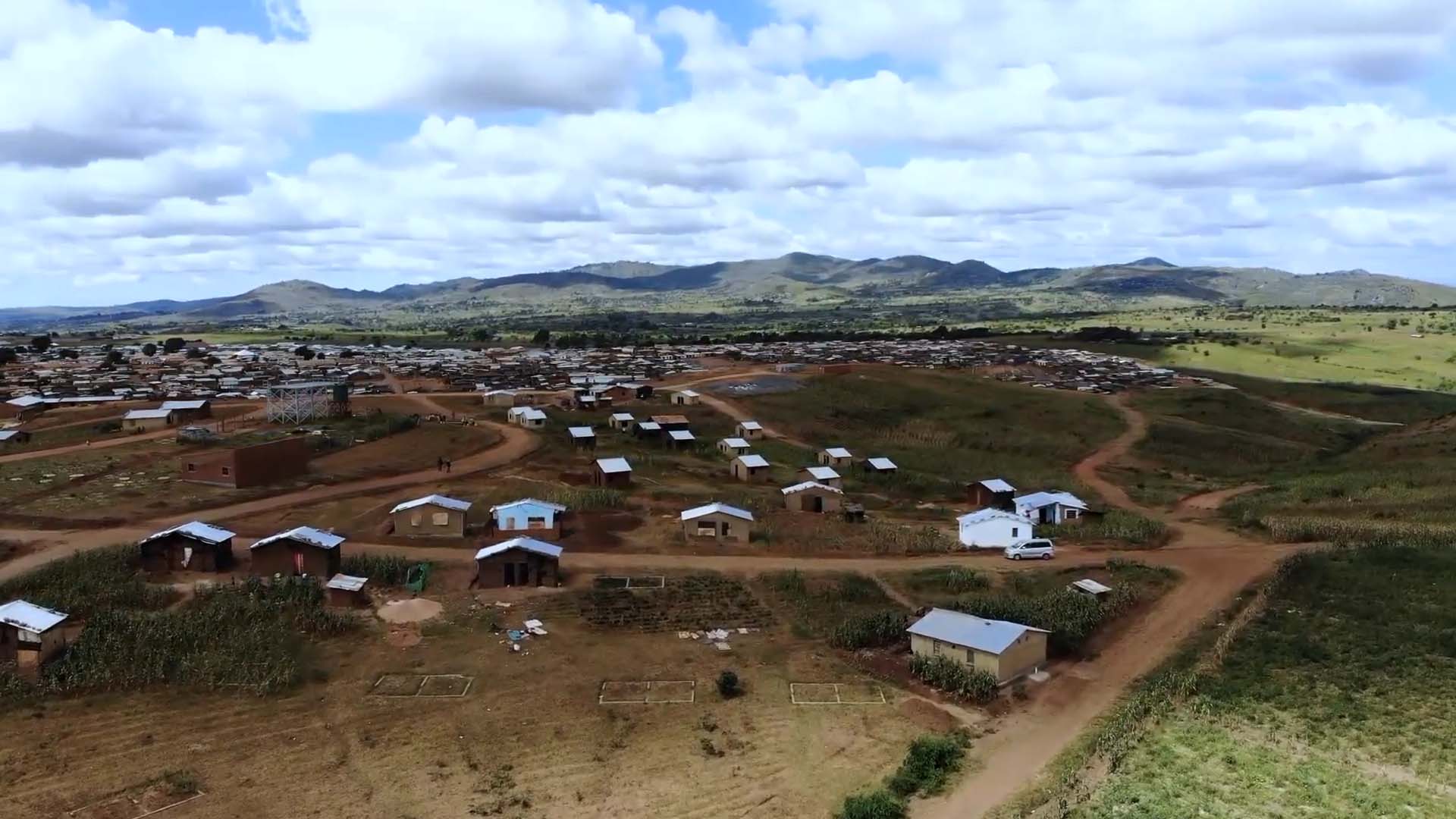
Four Countries, One Production Standard
Producing documentary content across Africa requires considerably more than travelling with a camera crew.
The project involved coordinating shoots and interviews across Zambia, Mozambique, Lesotho and Malawi, while maintaining a consistent production standard from one country to the next. The production schedule allowed dedicated filming periods within each location, followed by structured post-production and review phases. The overall project plan accounted for approximately 89 production man-days, reflecting the scale of coordination behind the finished documentary series.
Managing a multi-country documentary production in Africa also meant preparing for the practical realities of filming in varied environments. Equipment redundancy, battery-powered lighting, portable audio equipment and careful travel preparation allowed the crew to remain adaptable in locations where production infrastructure could not always be assumed.
That preparation also reduced one of the greatest risks in international documentary production: returning home without a critical interview, establishing shot or supporting visual that cannot easily be recreated.
Interviews Built Around Listening
For a documentary dealing with real communities and real public-health experiences, the interview process needed to feel natural rather than scripted.
Our team used prepared questions to provide structure while allowing interviewees the space to explain their experiences in their own words. Experienced camera operators worked with multiple camera setups where appropriate, while the production team actively listened for important themes that could be explored further during the conversation.
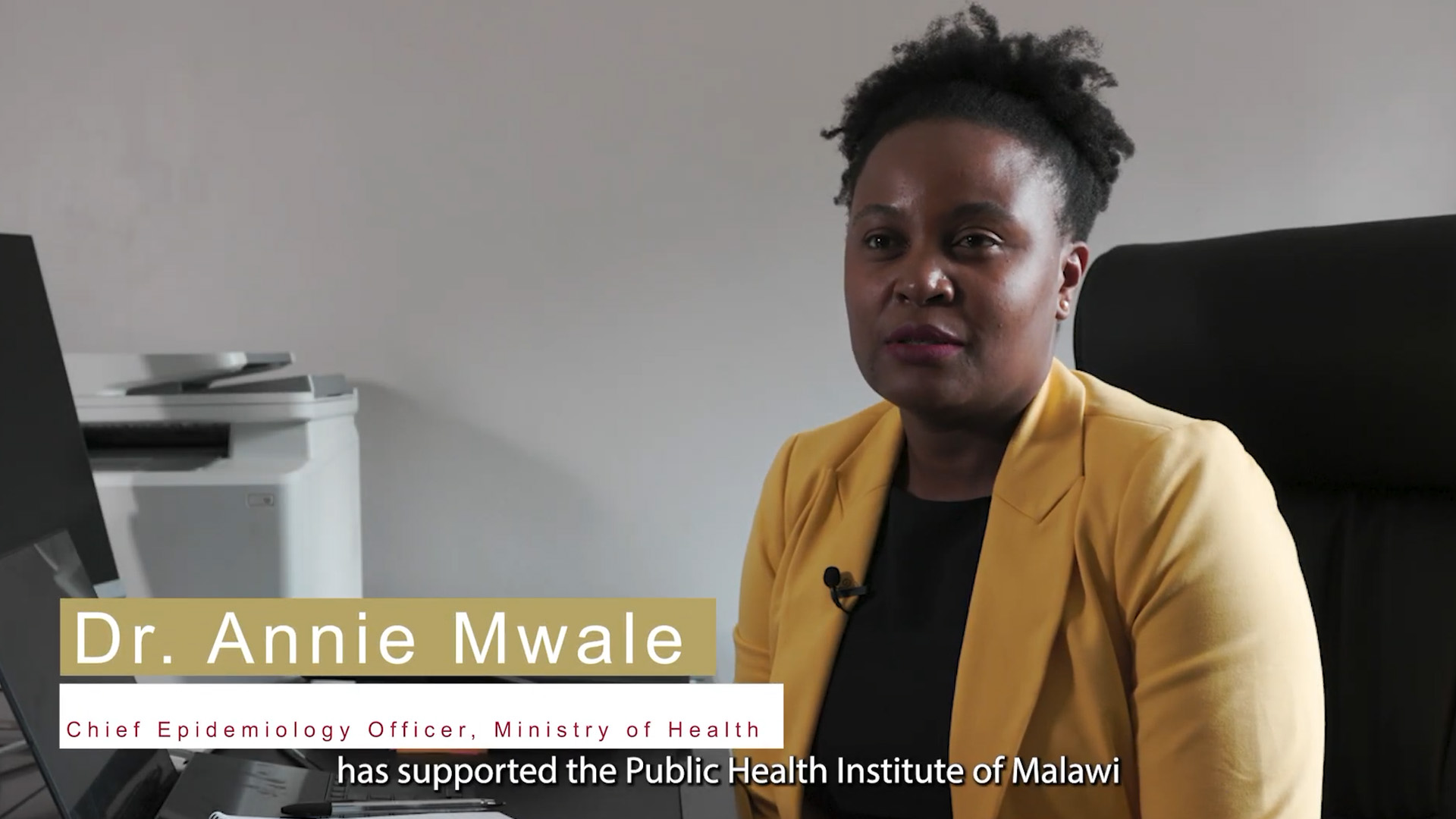
The objective was not simply to collect answers. It was to uncover the information required to construct a meaningful narrative.
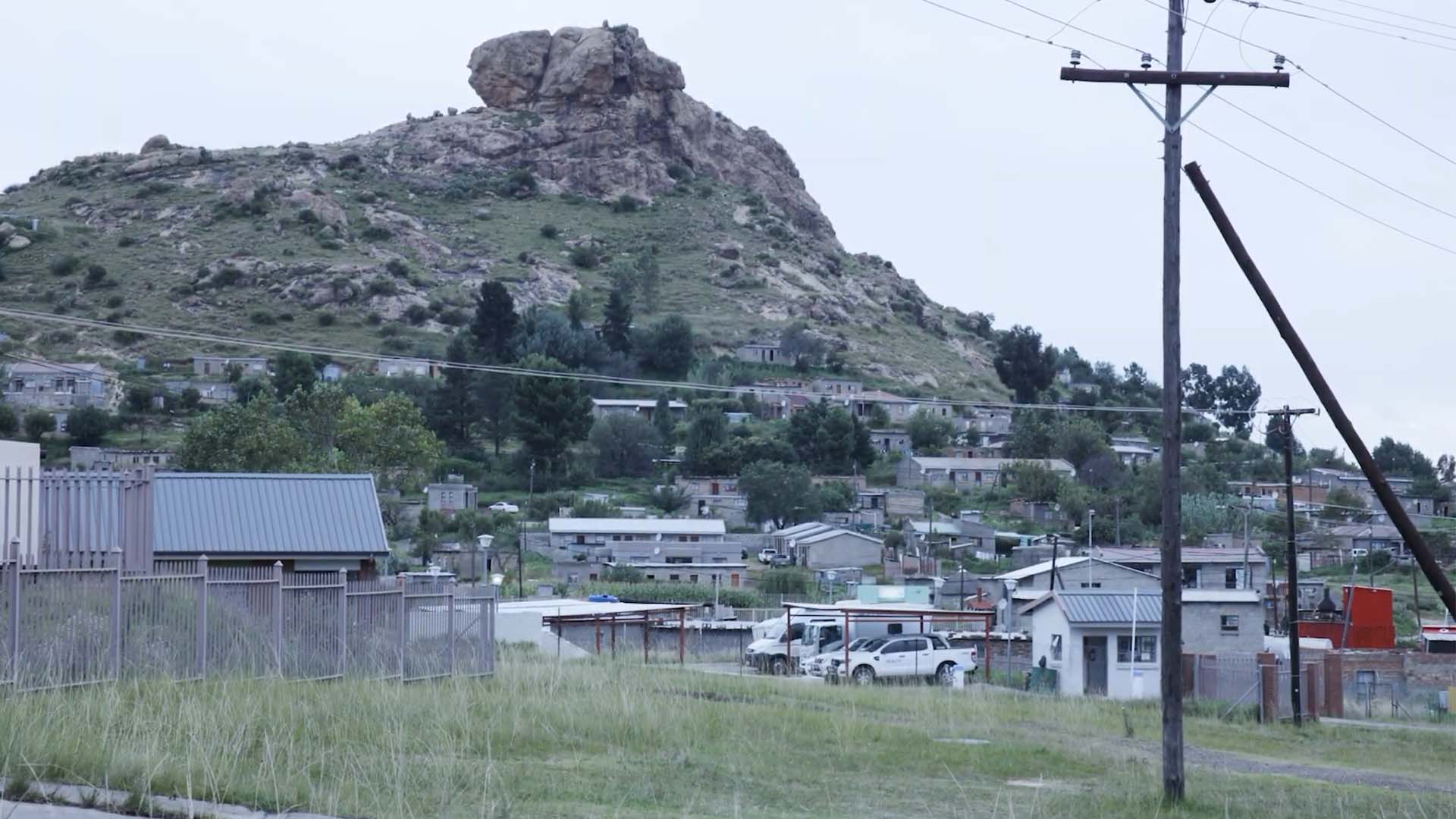
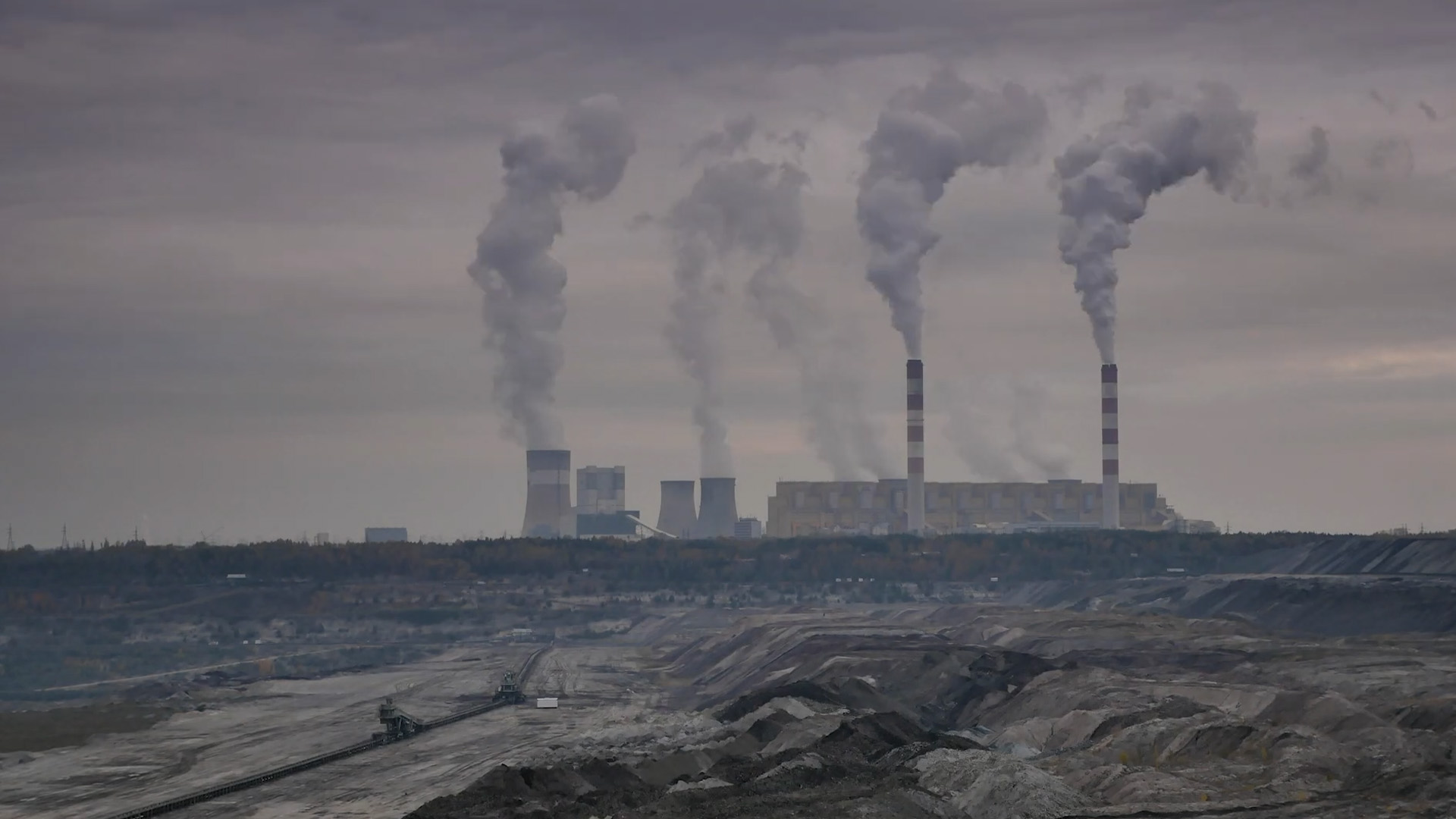
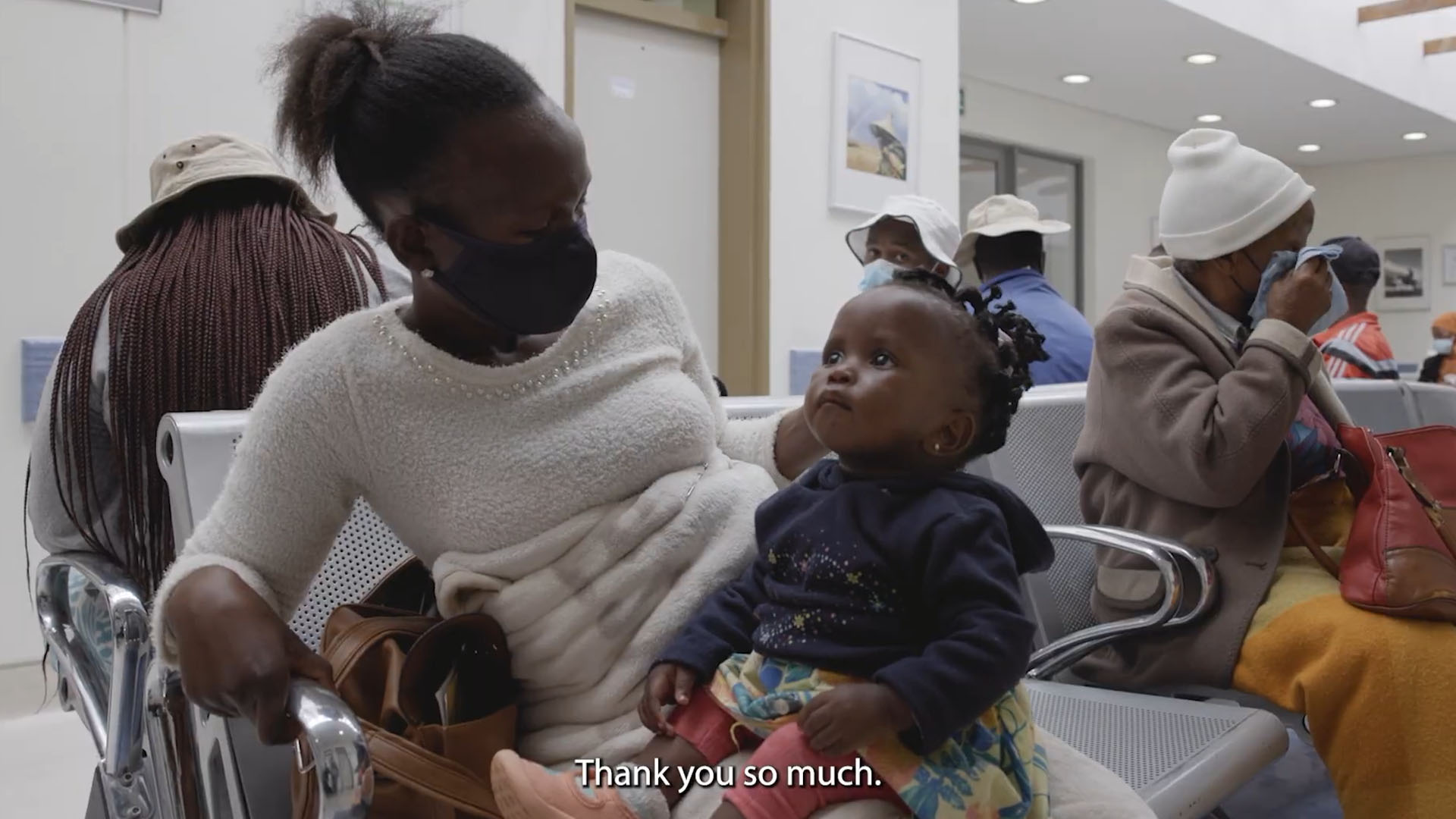
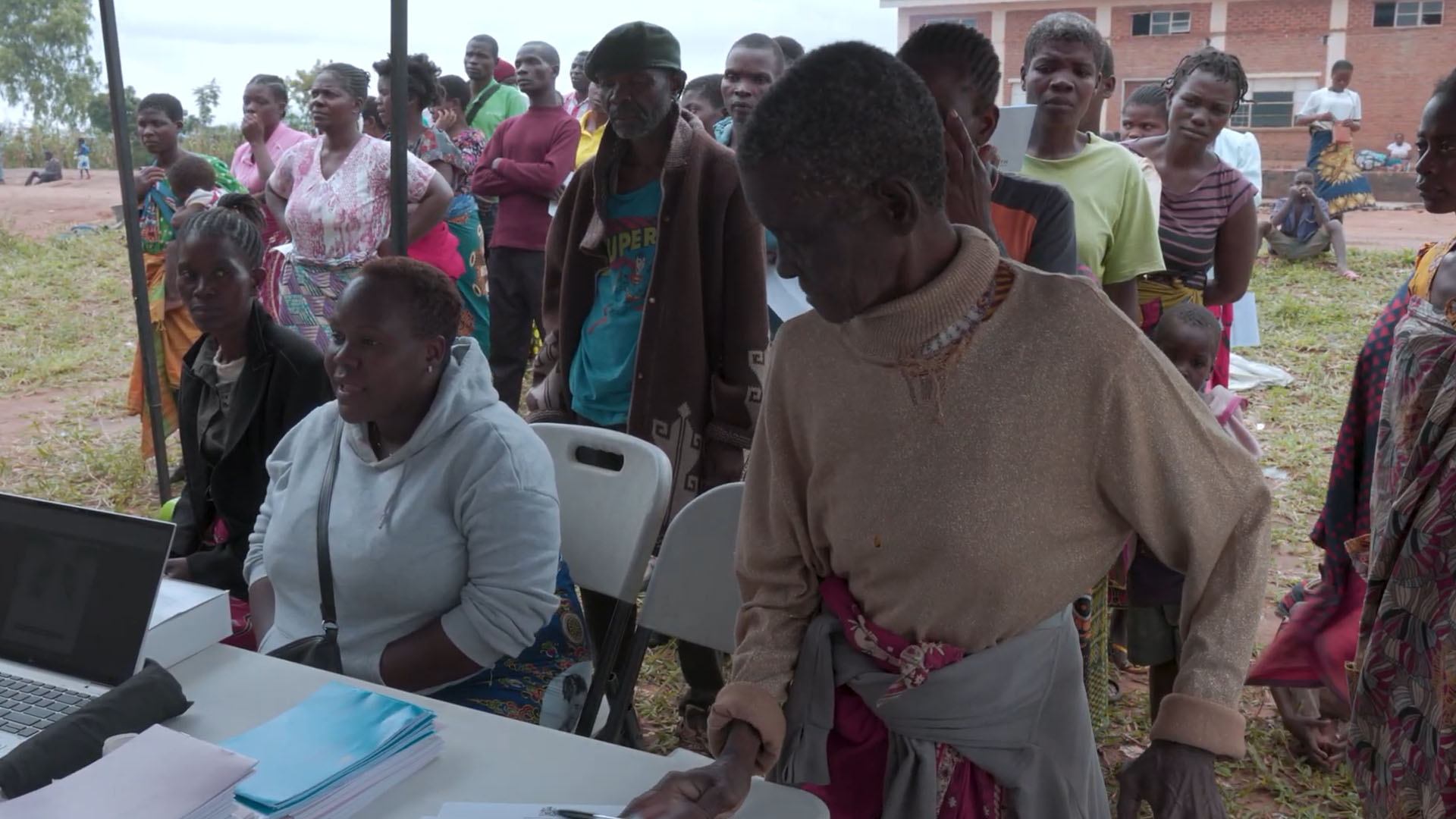
At the same time, a second layer of visual storytelling was captured through B-roll of the surrounding environments, activities and people. This footage allowed the documentaries to move beyond talking-head interviews and show viewers the context behind what was being discussed.
This balance between structured planning and responsive storytelling is particularly important in multi-country documentary production in Africa, where every interview and environment can reveal new context that strengthens the wider story. The proposal specifically identified the importance of capturing comprehensive interview material, supporting footage and clear audio while remaining flexible enough to pursue additional information when it emerged during filming.
Creating Consistency Across Different Countries and Stories
One of the central production challenges was maintaining cohesion.
Each country presented different interviewees, environments and experiences, but the completed documentaries still needed to feel as though they belonged to the same project.
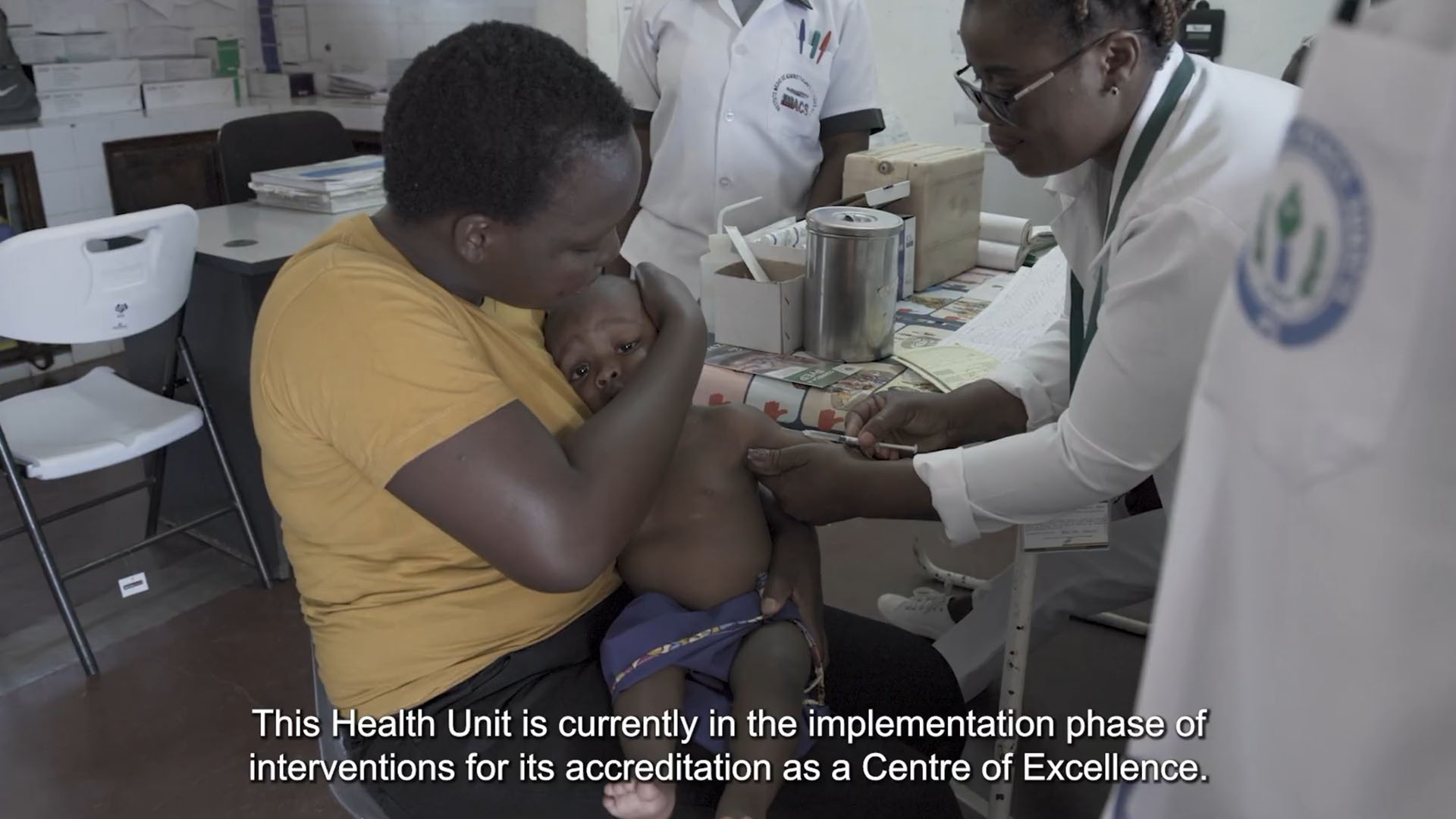
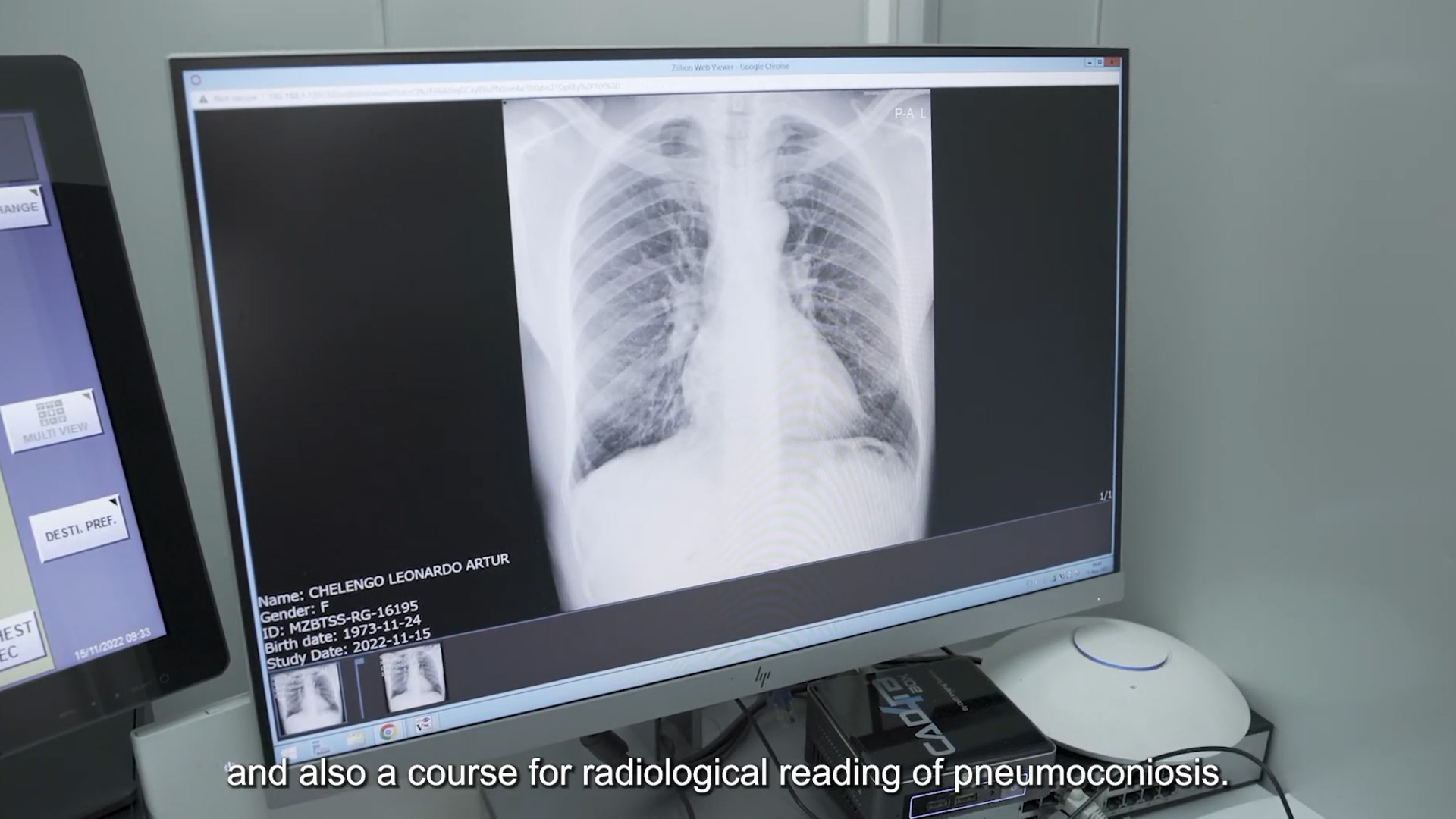
We addressed this from both a production and post-production perspective. Interviews were structured around common areas of discussion, while the cinematography followed a consistent visual approach. In post-production, a dedicated graphics and motion-design framework was developed so that titles, transitions and supporting visual information could carry the same identity across the series.
For a multi-country documentary production in Africa, this consistency was essential. It gave the project a recognisable visual language while still allowing each location and each interviewee to retain an authentic sense of place and individuality.
A Production Process Designed Around Collaboration
The documentary series was developed through an iterative process rather than being handed over only once editing was complete.
Client involvement was incorporated from the initial briefing and script-development stages through to review of the documentary edits. Draft scripts were prepared for review before production, while edited documentaries were subsequently supplied as first drafts so that feedback could be incorporated before final mastering and delivery.
For a project involving multiple countries and numerous stakeholders, this review structure was essential. It created opportunities to confirm that the films remained accurate to the programme while allowing the creative and production teams to shape the material into stories that audiences could follow.
Behind that process was a multidisciplinary team spanning project management, documentary production, scriptwriting, videography, photography, editing, animation, motion graphics and audio recording.
Bringing these disciplines together under one coordinated workflow helped simplify the complexity of a multi-country documentary production in Africa, ensuring that planning, filming, post-production and client feedback remained connected throughout the project.
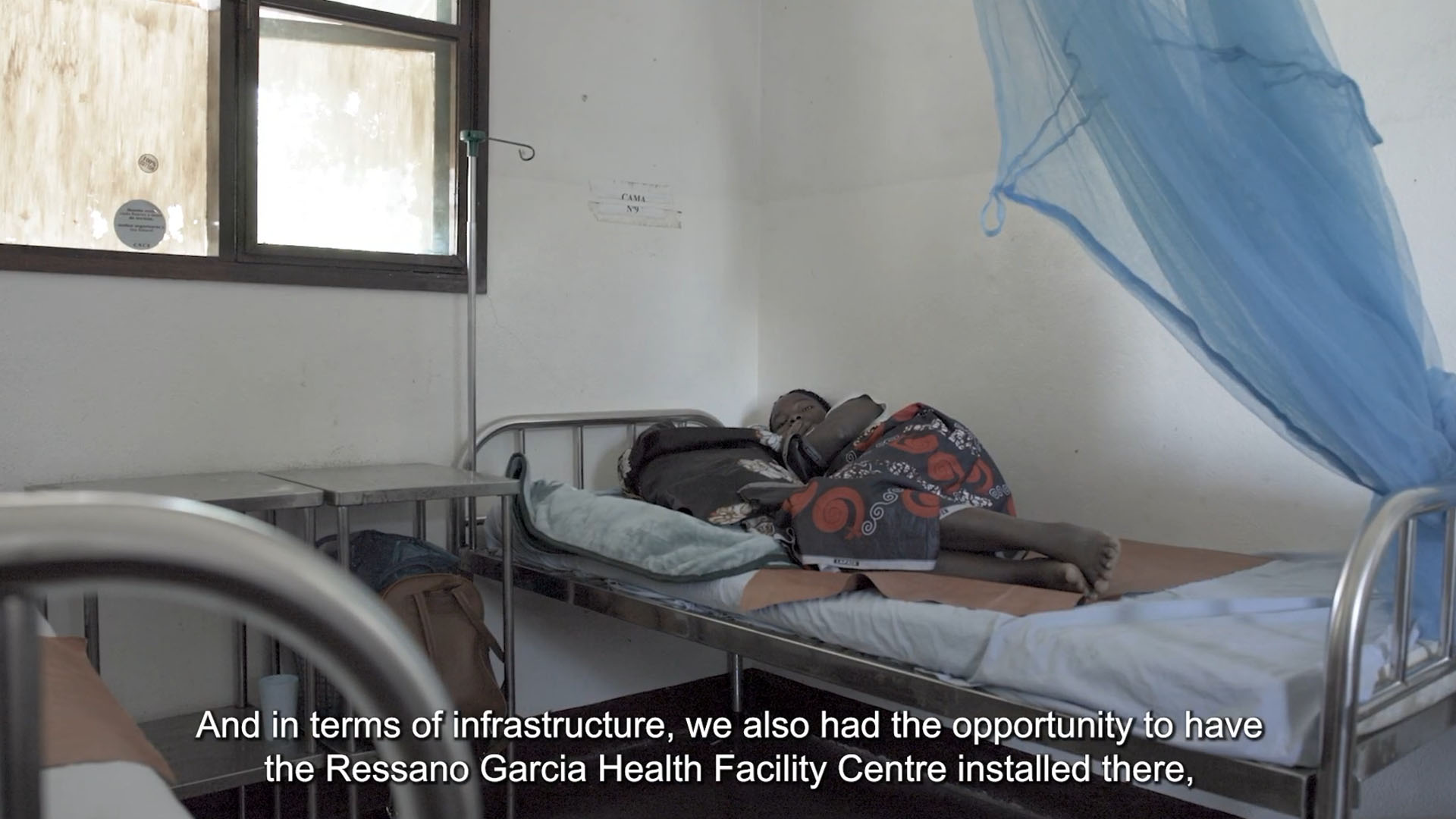
Documentary Storytelling as a Bridge Between Programmes and People
The value of this project was not simply in documenting that work had taken place.
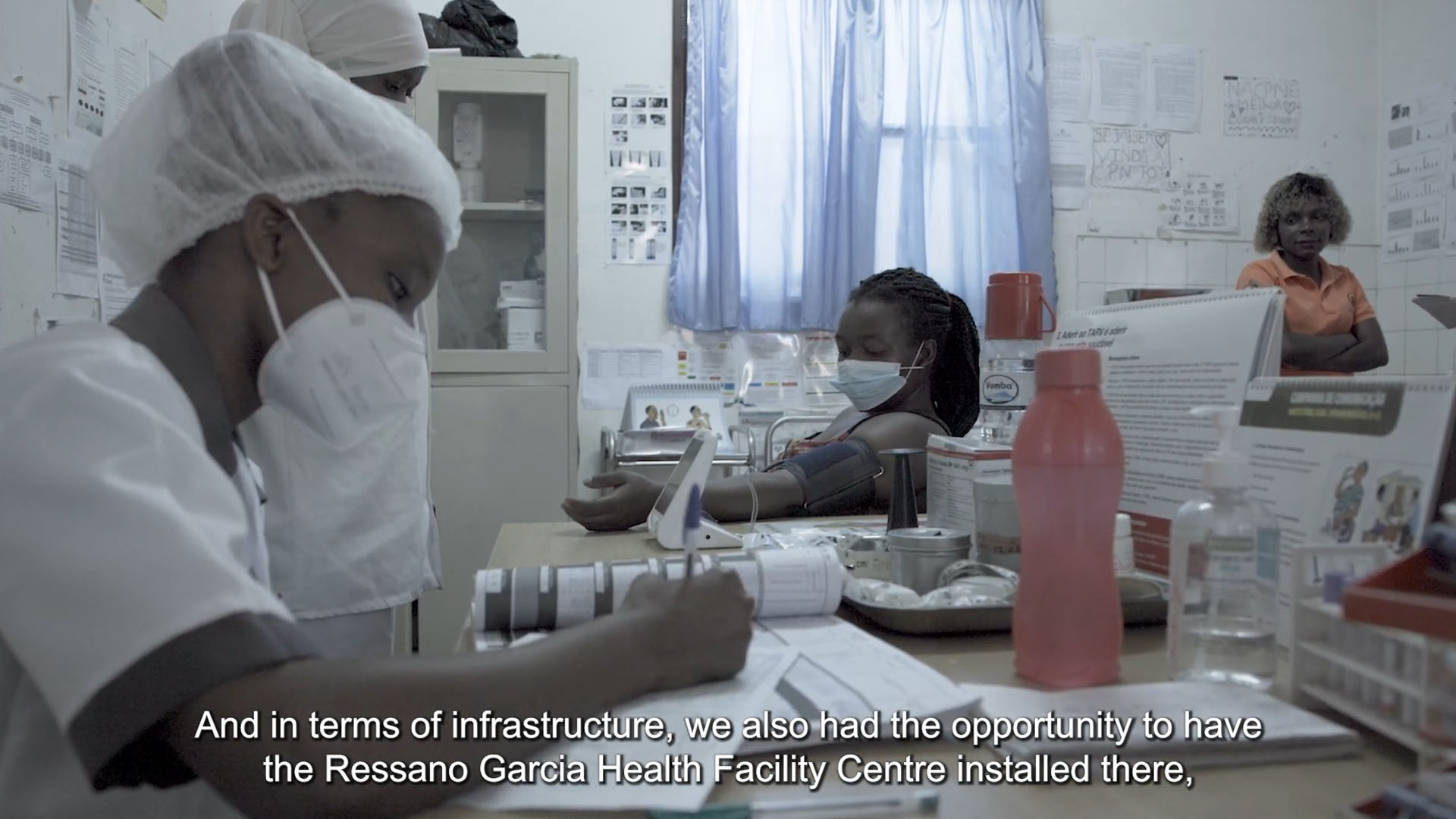
By combining interviews with contextual footage and carefully structured storytelling, the documentaries could communicate challenges through the experiences of the people closest to them. Programme activity that might otherwise have remained confined to technical reports, institutional documentation or isolated statistics could instead be understood through places, voices and lived experiences.
That is particularly important for regional development work. Audiences need to understand both the scale of the challenge and the human reality behind it.
The project demonstrated how multi-country documentary production in Africa can bring together complex regional programmes, diverse stakeholders and different local realities within one coherent visual story. Just as importantly, it demonstrated the level of logistical planning, client collaboration, production management and post-production coordination required to make that story feel seamless to the viewer.
The result was not four disconnected country shoots, but one coordinated Southern African documentary project, built to give different communities and stakeholders space to tell their stories while connecting those experiences to a much larger regional narrative.
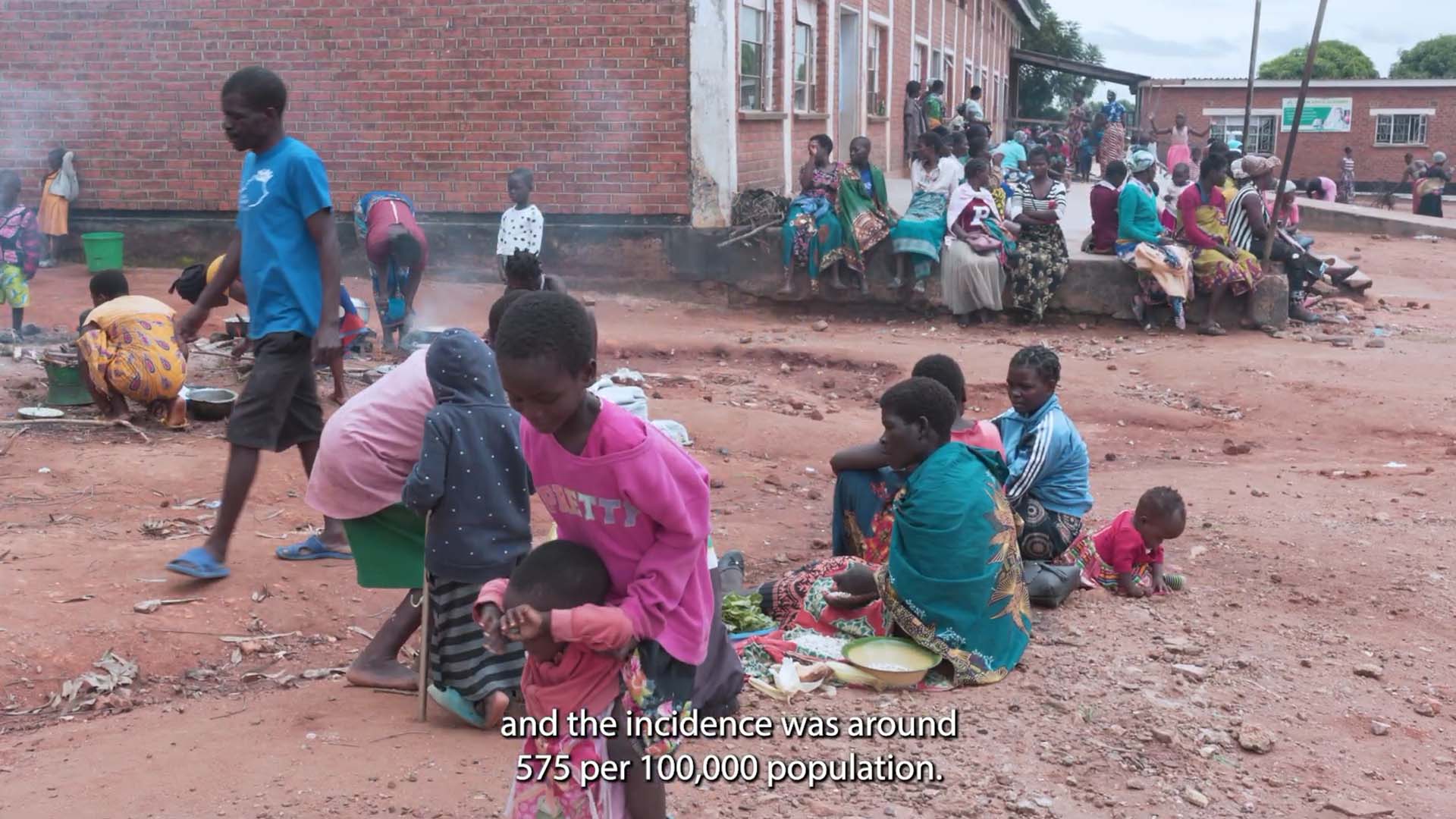
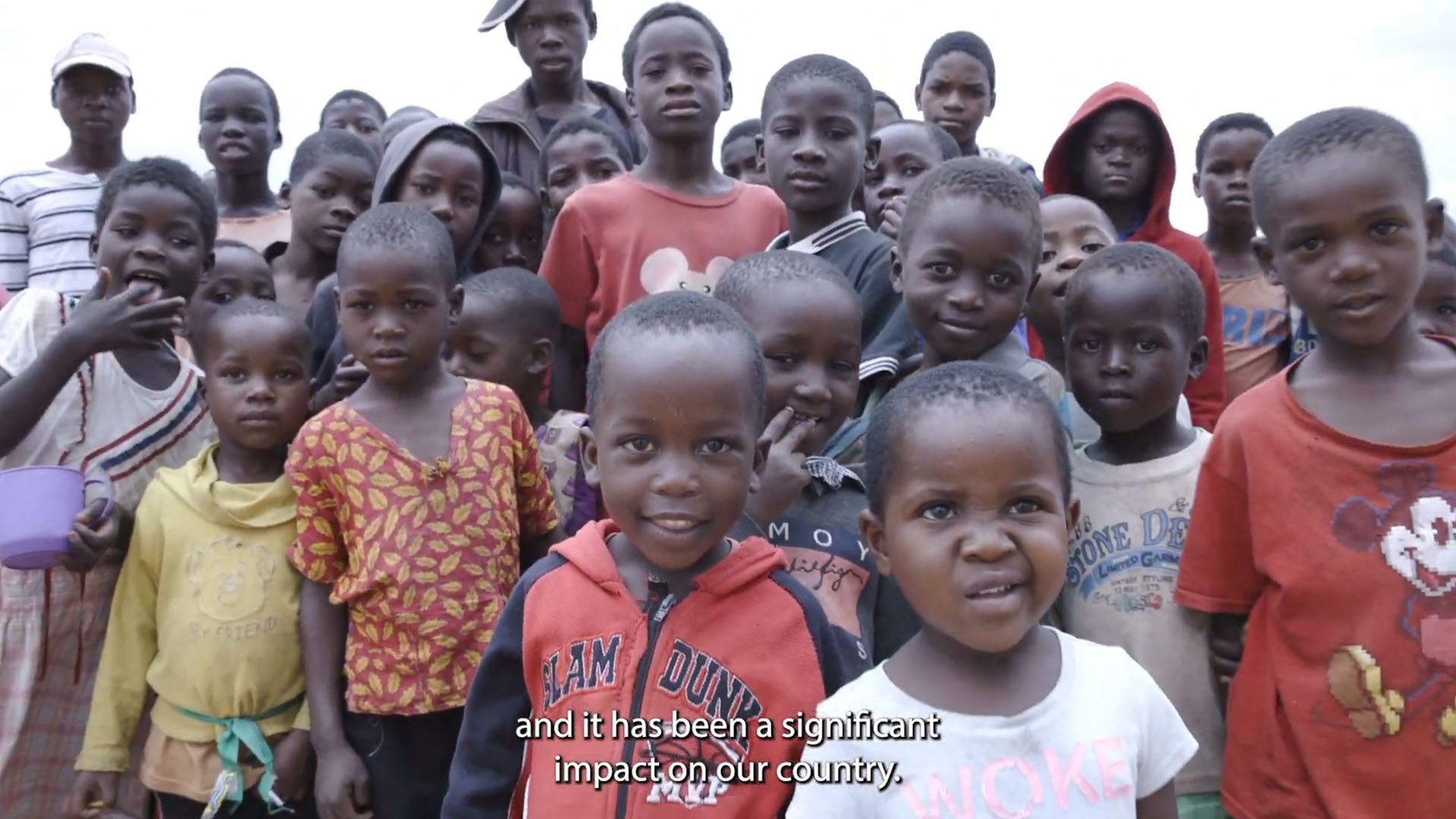
If your organisation needs to document the impact of a health, development or social programme across Africa, Sound Idea Digital can manage the process from planning and interviews through to filming, editing and final delivery. Contact us to start shaping your project into a documentary that connects people, places and purpose.