

Communicating the Future of Fisheries and Aquaculture in Africa
Turning a complex continental story into an accessible visual narrative
Africa’s fisheries and aquaculture sector reaches far beyond the water. It contributes to food and nutrition security, employment, regional trade, economic development and the livelihoods of millions of people across the continent. Sound Idea Digital travelled across Africa, including West Africa, Nigeria and Gabon, to produce a fisheries governance documentary in Africa that connected the continent’s high-level fisheries policies with the communities, markets and livelihoods directly shaped by the sector. At the same time, fisheries and aquaculture face significant pressures, from overexploitation and illegal fishing to post-harvest losses, fragmented governance and the need for stronger regional cooperation. Communicating a subject of this scale required more than presenting policy or statistics. The story needed to demonstrate what those issues actually mean in the places where fish are caught, processed, traded and consumed.
Building the story around why fisheries matter
One of the central challenges was the breadth of the subject matter. The film needed to establish the importance of fisheries and aquaculture before introducing the governance structures, policy frameworks and collaborative initiatives designed to protect and develop the sector.
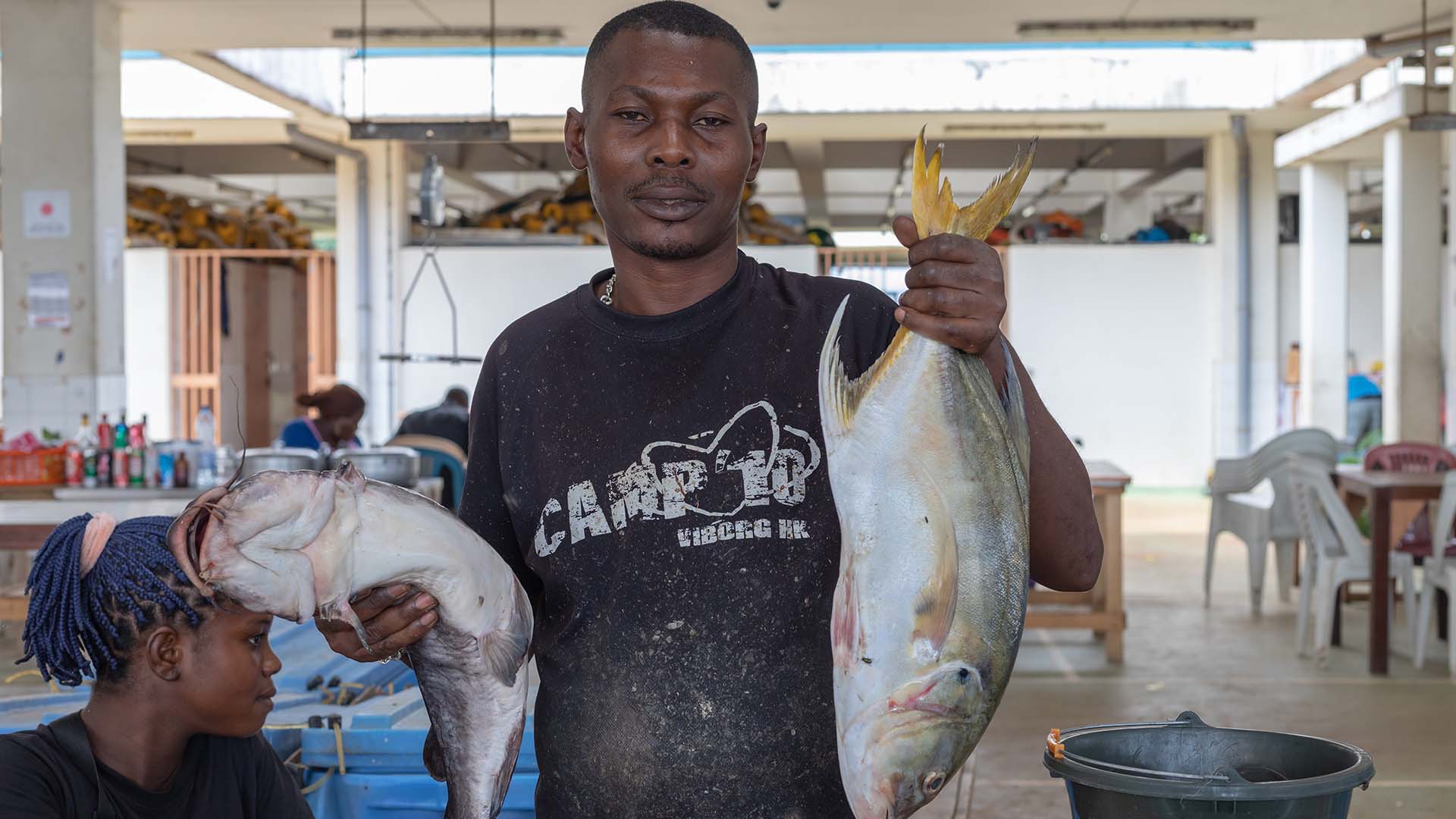
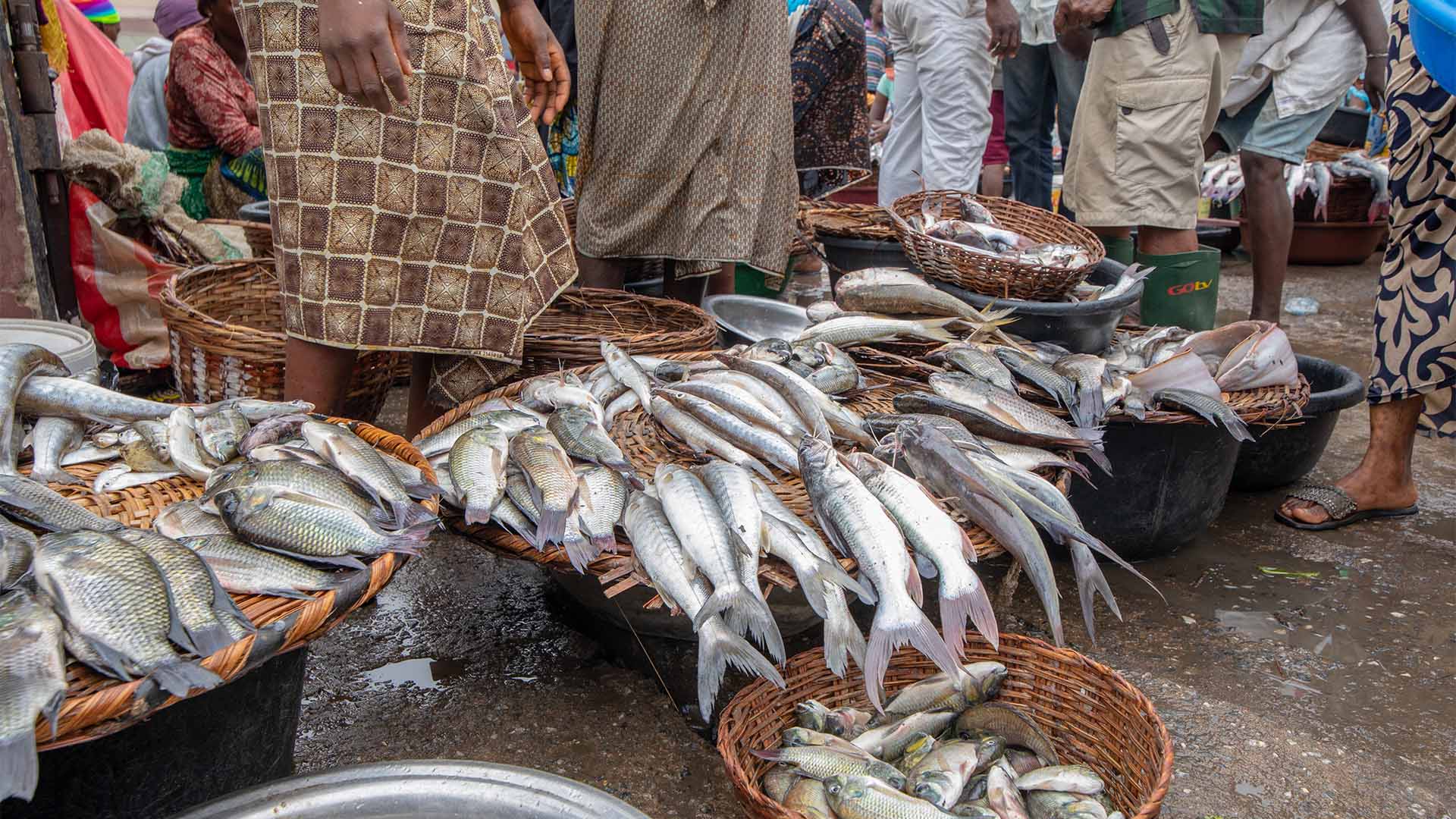
Africa possesses extensive aquatic resources that provide food, income and economic opportunity across the continent. Filming on location brought this reality directly into the documentary, moving beyond institutional commentary to show communities, fish markets, traders, food preparation and the broader environments in which the fisheries economy operates.
Figures relating to production, employment, women’s participation, economic contribution and the different fisheries subsectors could be connected visually to the people and activities behind them. This relationship between evidence and lived experience became an important foundation of the fisheries governance documentary in Africa.
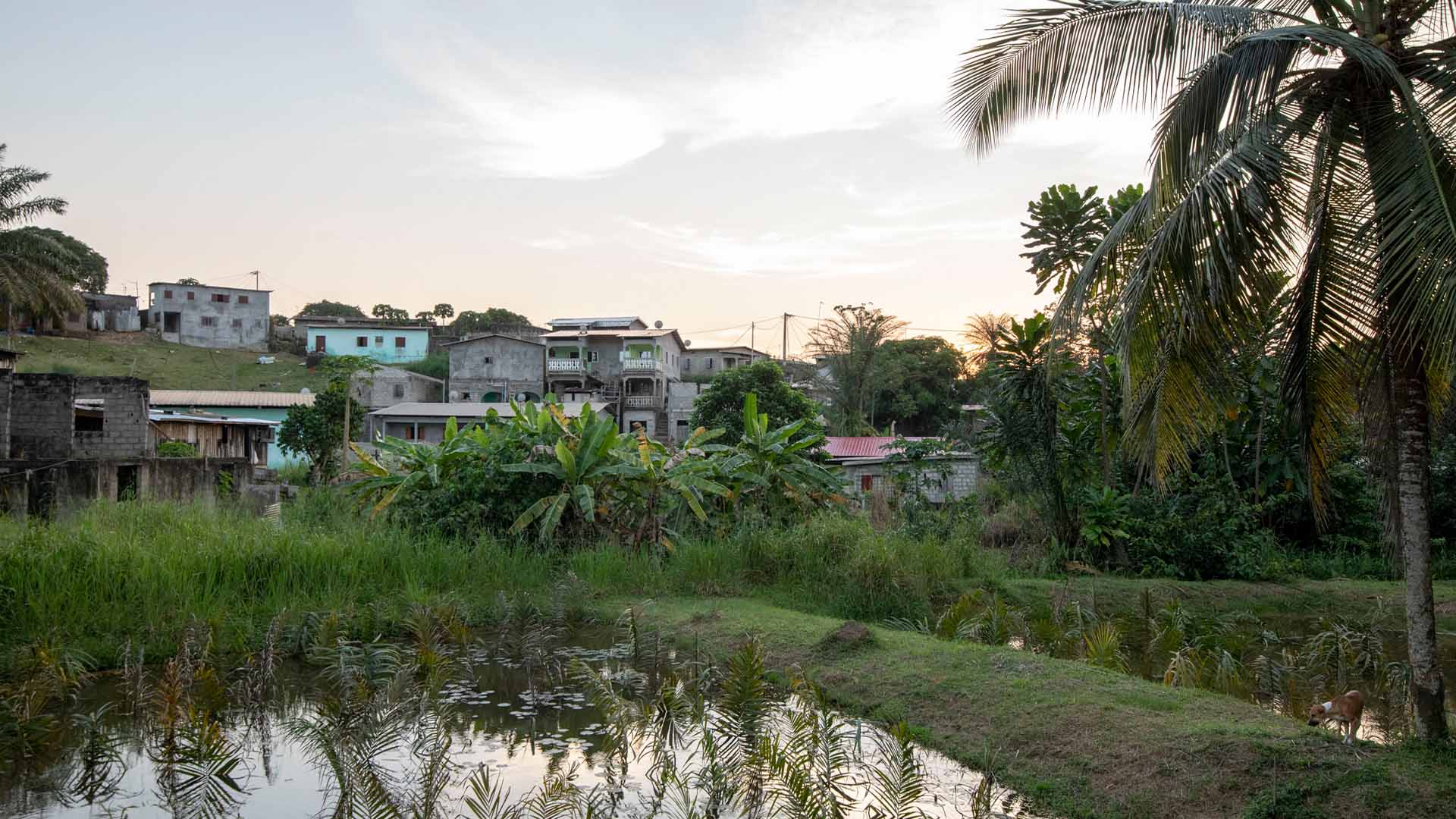
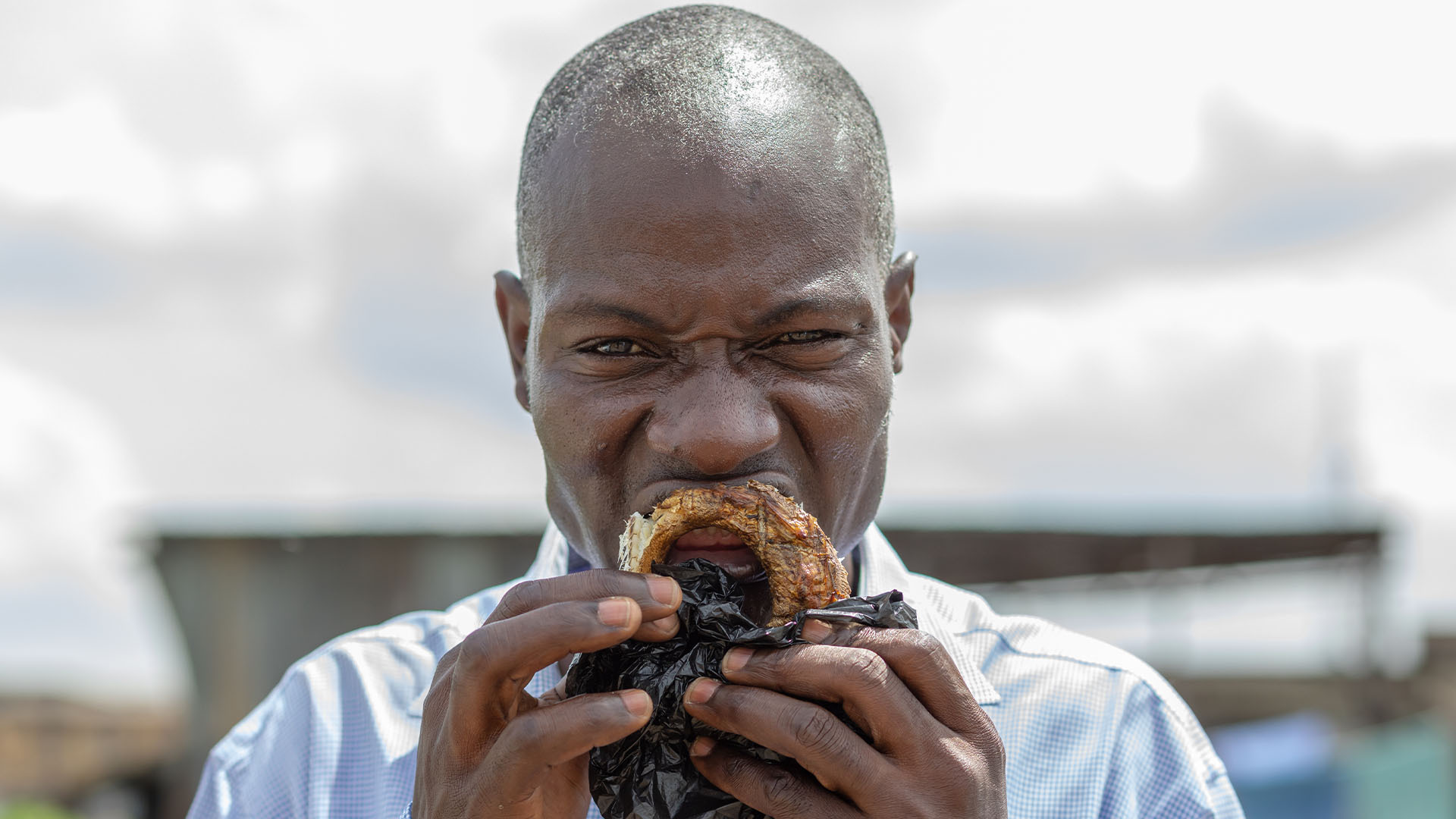
Taking the production into the environments behind the story
Producing the documentary across Africa allowed the team to capture very different sides of the fisheries sector.
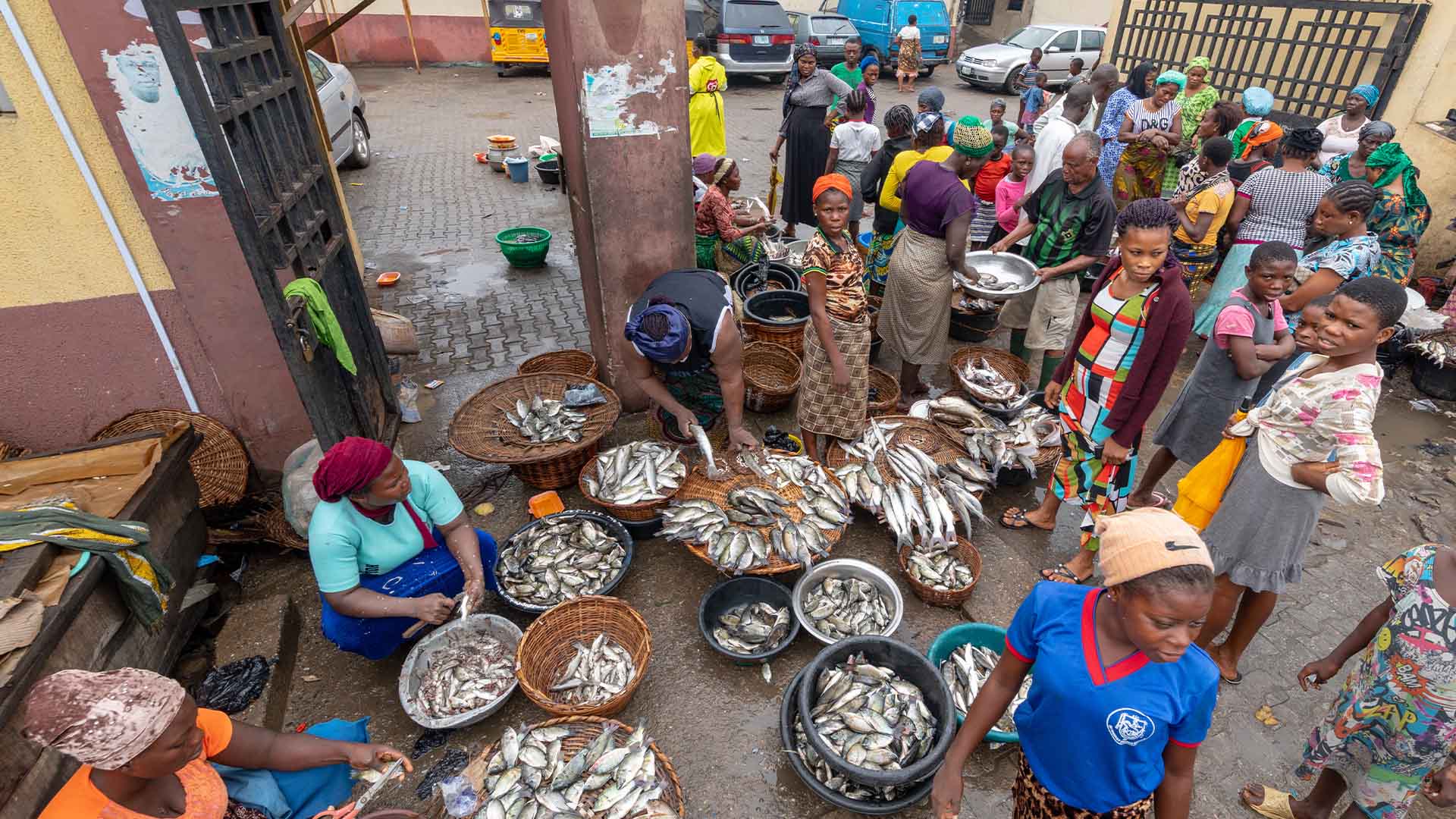
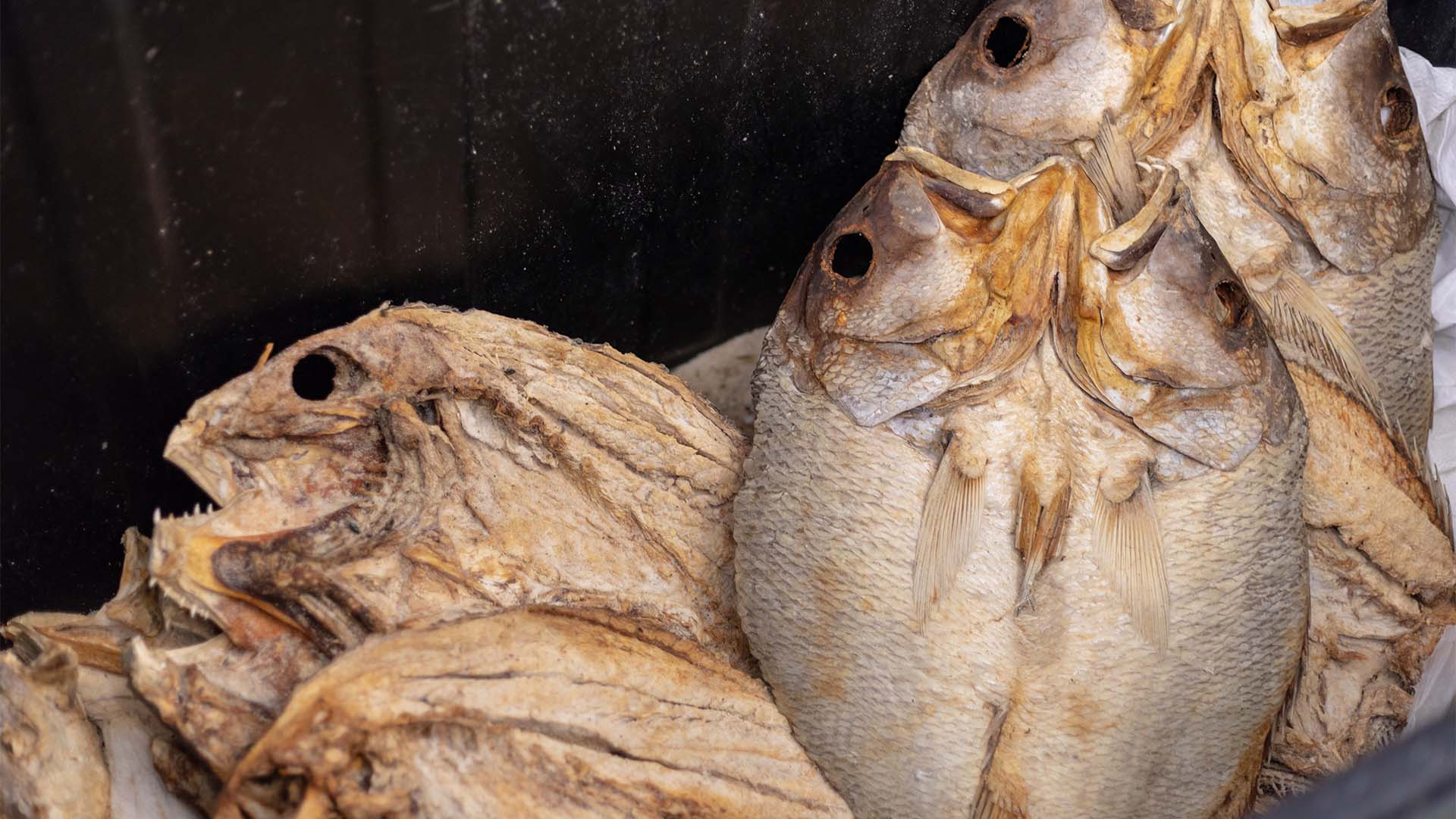
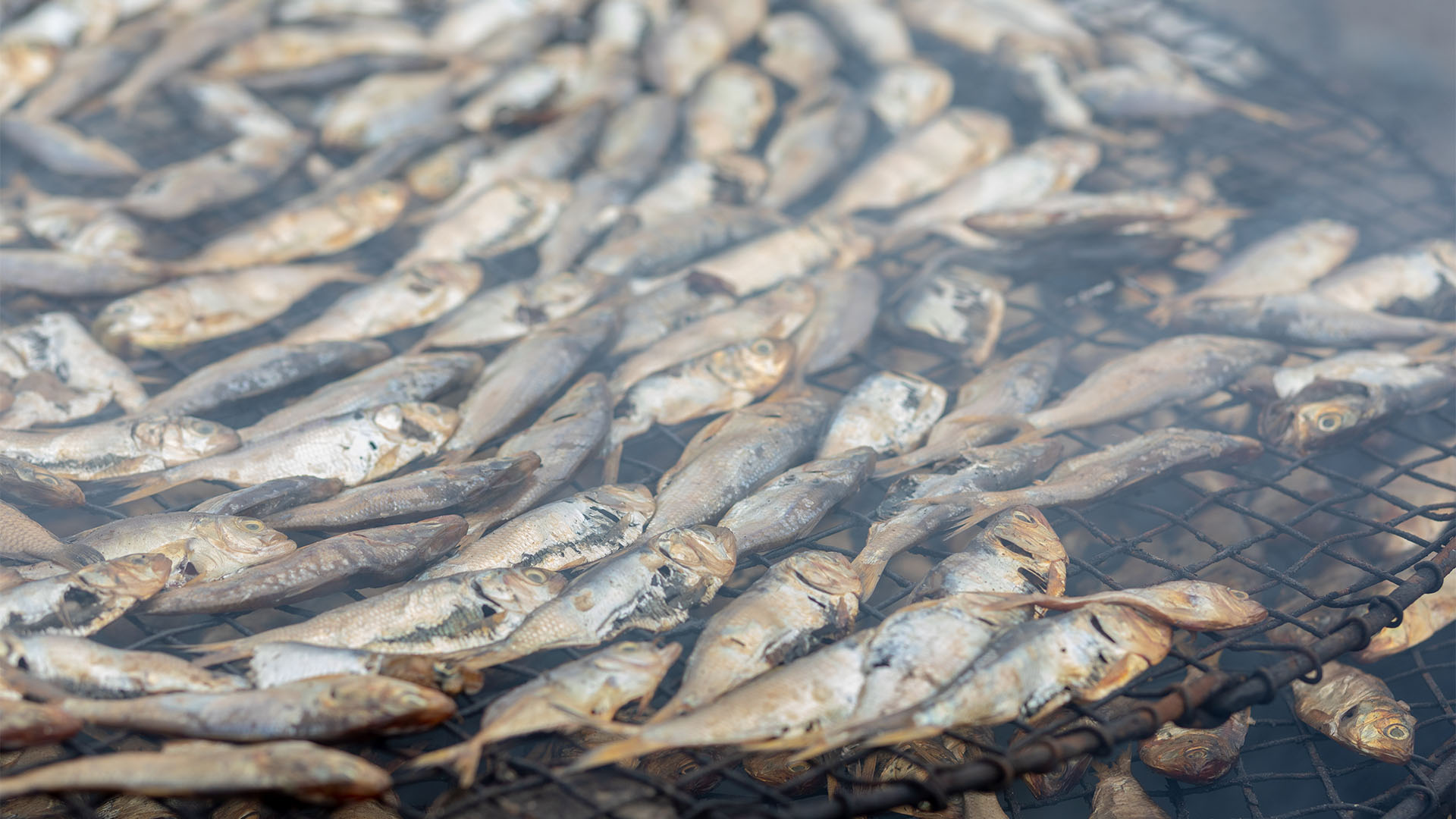
In locations including Nigeria and Gabon, the production documented the environments where aquatic resources move through everyday economic and social life. Busy fish markets, traders handling fresh catches, prepared and preserved fish, community environments and the people involved in the sector created a visual record of an industry that supports livelihoods at multiple levels.
These locations also created an important contrast within the film.
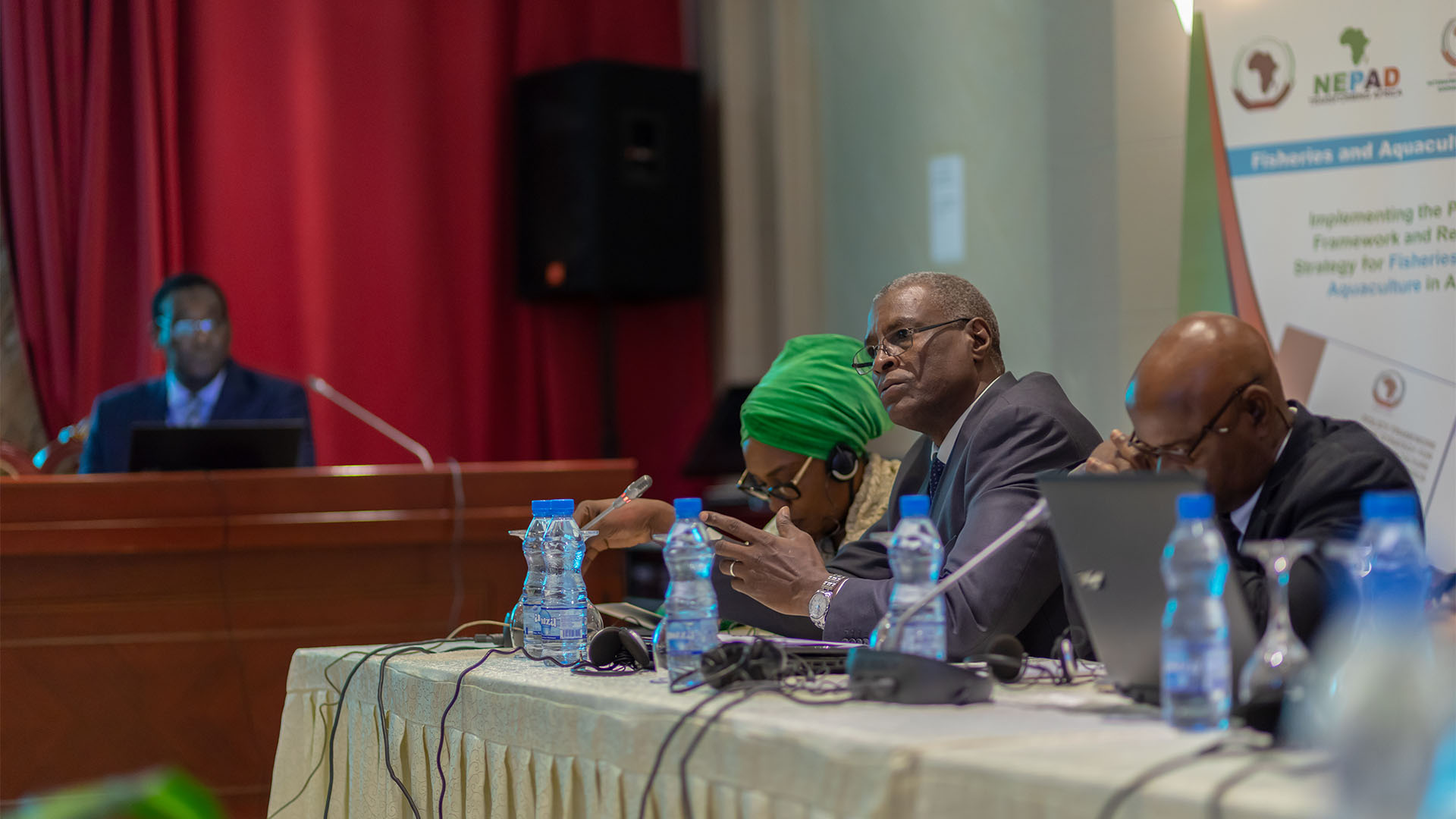
One part of the story takes place within meetings, institutions and policy discussions, while another takes place in markets and communities where the outcomes of fisheries governance ultimately matter.
Bringing these environments together allowed the documentary to demonstrate that fisheries policy is not an abstract institutional issue. Decisions around sustainability, resource management, regional cooperation and market access ultimately influence real economic activity and real communities.
Giving subject-matter experts a central voice
A significant part of the documentary is driven by people closely involved in the fisheries and aquaculture sector.
Their contributions explain why fisheries are important to food security and economic development while addressing the challenges preventing the sector from achieving its full potential.
This interview-led approach allowed the film to move naturally between the strategic and practical dimensions of the subject. Poor resource management, illegal and unreported fishing, post-harvest losses, unemployment and the need for stronger policy frameworks could be discussed alongside footage showing the wider fisheries economy in action.
The result was a fisheries governance documentary in Africa in which expert insight was continually supported by visual evidence from the environments being discussed.
Translating policy into a story people can follow
Another challenge was communicating a network of continental policies, institutions and governance mechanisms without allowing the documentary to become overly technical.
The film introduces the Policy Framework and Reform Strategy for Fisheries and Aquaculture in Africa and explains how it developed from the need for stronger coordination and participatory policy dialogue across the sector. It then connects this framework with broader continental ambitions, including Africa’s Agenda 2063 and agricultural transformation objectives.
From there, the story progresses into the Fisheries Governance Project and its role in supporting governance reform, institutional strengthening, sustainable fisheries management, aquaculture development, improved market access and collaboration between stakeholders.
The combination of expert interviews, location footage and a clearly structured narrative allowed the fisheries governance documentary in Africa to communicate specialist information without reducing the complexity or importance of the subject.
Connecting continental strategy with everyday livelihoods
Better fisheries governance can influence food security. Stronger resource management helps protect the natural systems communities rely upon. Improved market conditions affect how aquatic products reach consumers. Regional cooperation helps countries address challenges that extend beyond national boundaries.
A fish being sold at a market, prepared for consumption or handled by a local trader represents one part of a much larger value chain. Behind that activity are questions of production, sustainability, employment, trade, food security and resource management.
By moving between those different levels, the fisheries governance documentary in Africa could explain the sector as both a continental economic system and a source of everyday livelihoods.
Representing the people within the fisheries economy
The production also gave the human side of the sector significant visual space.
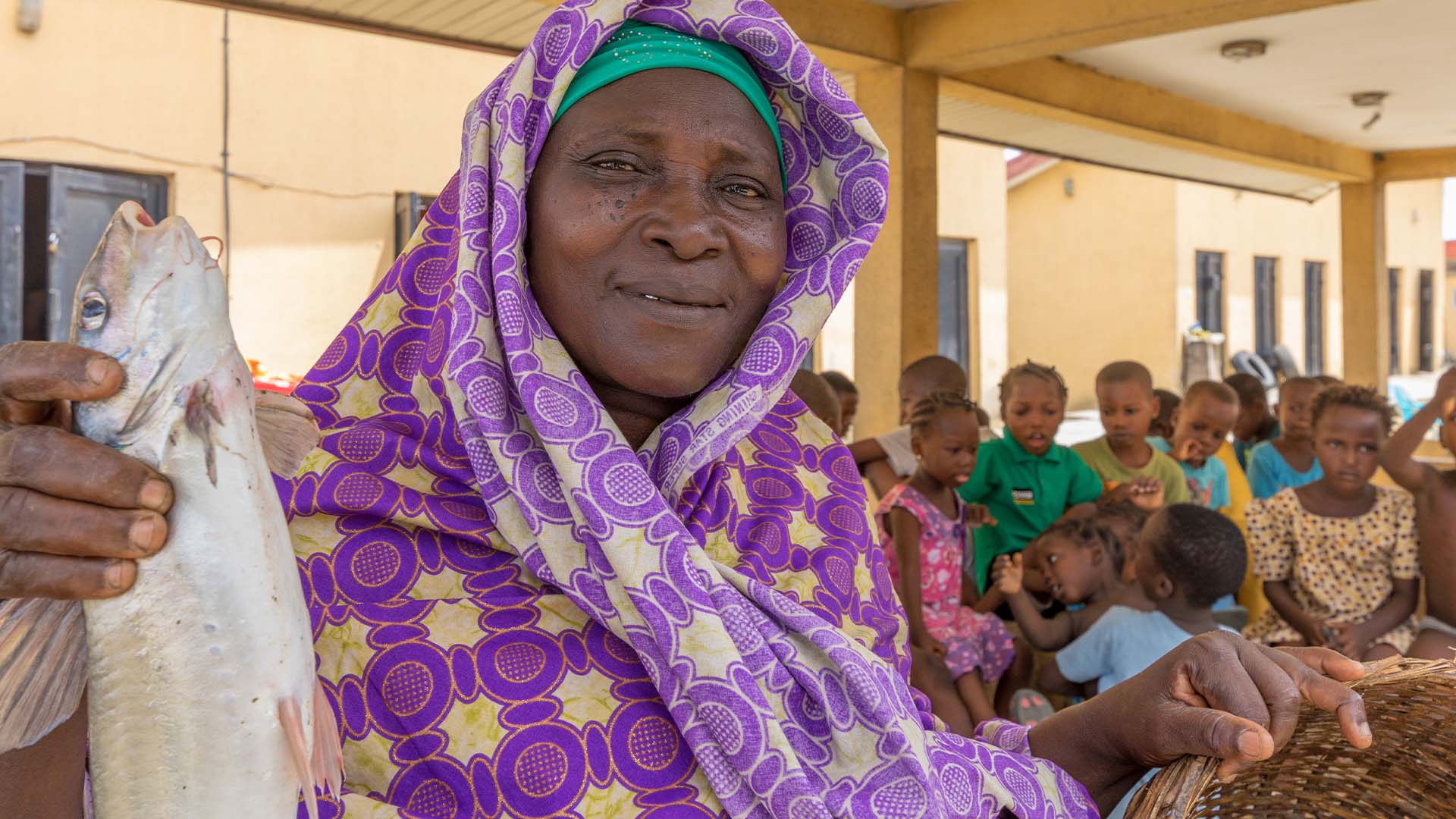
Markets and community environments reveal how many different people participate in the fisheries value chain, while the documentary itself highlights the considerable role women play, particularly within post-harvest activities.
Capturing people within these environments adds an important layer to the policy discussion. Fisheries governance ultimately affects individuals who catch, process, distribute, trade and depend upon aquatic resources.
The documentary therefore avoids treating communities as an abstract beneficiary group. Instead, their presence becomes part of the story itself.
Documenting collaboration across a complex stakeholder environment
Fisheries governance is inherently collaborative.
Governments, regional economic communities, fisheries bodies, non-state actors, development partners and sector stakeholders all form part of a much wider system.
The production had to reflect that scale.
Moving between institutional settings and locations across Africa helped create a documentary that could represent both the organisations responsible for shaping fisheries governance and the environments in which that governance has practical consequences.
This was especially relevant to the Fisheries Governance Project’s focus on strengthening regional platforms, improving cooperation and creating greater coherence between different initiatives.
Through interviews, conference and stakeholder environments, community footage and supporting narration, the film brings these different levels of the sector into one connected narrative.
Managing a story across countries and environments
A project spanning multiple African locations requires the production itself to remain consistent while adapting to very different environments.
Filming in Nigeria, Gabon and across the wider West African context meant working between structured institutional environments, active public spaces, markets and community locations.
Each environment offered something different to the story.
Formal settings communicated governance, collaboration and policy development, while on-location footage provided the social and economic context required to understand why that work matters.
Maintaining a coherent visual and narrative direction across these settings was therefore essential. The production needed to feel like one continental story rather than a collection of disconnected locations.
That consistency helped give the fisheries governance documentary in Africa both its scale and its sense of purpose.
Showing progress while recognising the work still ahead
Rather than presenting fisheries governance as a completed challenge, the documentary also recognises that reform is an ongoing process.
The Fisheries Governance Project helped strengthen the visibility of fisheries and aquaculture within African policy structures, improve stakeholder dialogue and reinforce the African voice within international discussions relating to the sector.
At the same time, the documentary acknowledges that maintaining this momentum requires continued cooperation, investment and commitment.
Production with purpose
The strength of this project lies in the way very different parts of the story were brought together.
Continental policy discussions sit alongside fish markets. Economic statistics are connected to individual livelihoods. Institutional meetings are contrasted with the environments where aquatic products are caught, processed, traded and consumed.
Producing across Africa, West Africa, Nigeria and Gabon provided the geographical and human context necessary to tell that story with credibility.
The final fisheries governance documentary in Africa demonstrates how documentary production can take a highly specialised development subject and make its importance visible through people, places and real economic activity, without losing the policy depth behind it.
The result is not simply an explanation of fisheries governance. It is a visual account of why fisheries matter to Africa, who depends upon them, how the sector connects communities with continental development, and why managing those resources sustainably is critical to the future.
Planning a documentary, development project or multi-location production across Africa? Sound Idea Digital can support the process from story development and filming through to final post-production. Get in touch to discuss your objectives, production requirements and the audiences you need to reach.