

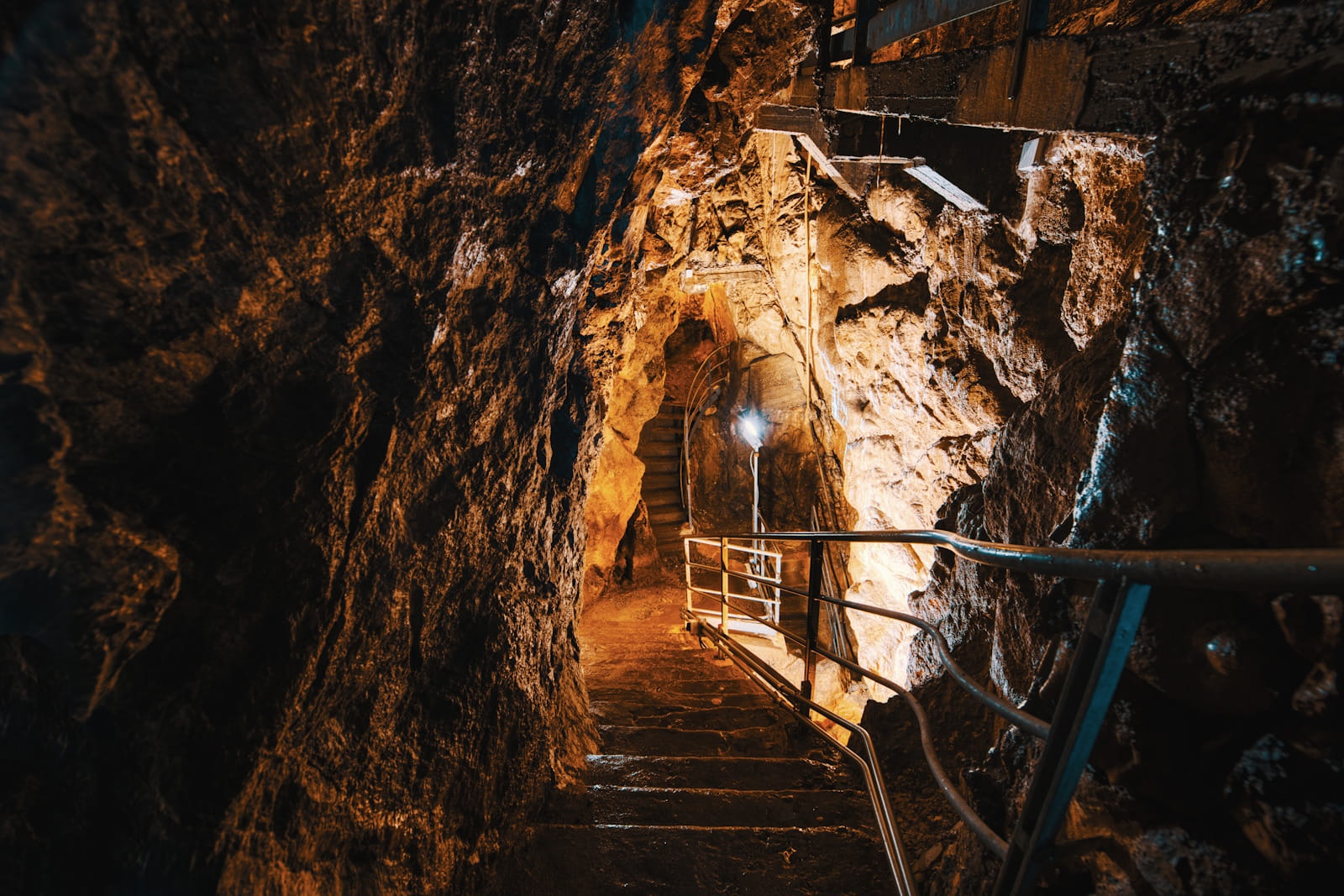
8 Things to Look for in an Underground Mining Video Crew
A strong underground mining crew for video production knows how to capture the work around a mine’s operating schedule. That means planning for travel below ground, checking what the site allows and making every shot count. Whether you need an induction video, an interview or a record of a mining process, the right team should be able to explain how it will get the footage and who needs to be involved.
Ask shortlisted crews to walk you through a comparable shoot. A specific example will tell you how they work when access, lighting or the shift plan changes. Ask them to explain what they agreed with the mine before filming, how they prioritised their time underground and who checked that the footage showed the work accurately.
1. Underground Mining Crew Experience at Comparable Sites
Ask for examples that resemble your project. An interview in an underground workshop calls for different planning from filming a haulage sequence or demonstrating a task at a working face. A comparable example can show whether the crew knows how to frame action in a narrow space, deal with uneven lighting and give viewers enough context to understand what they are seeing.
A useful portfolio review starts with the main demand of your brief. If viewers need to learn a task, choose a sample that shows how the crew made that task easy to follow.
- Site conditions. Look for similar access, lighting and space restrictions.
- Clarity. Check whether you can follow the action from one shot to the next.
- Crew roles. Ask who planned, filmed and edited the sample.
Ask who worked on each example and who would be on your shoot. Then ask about one change the team faced underground and how it handled it. A crew that can explain what happened when a location became unavailable gives you a clearer picture of its experience than a showreel alone.
If the crew can share only a short excerpt, ask it to describe the wider sequence. Listen for specific decisions about coverage and what the team had to adapt on site.
2. A Clear Plan for Access and Induction
Before booking an underground mining crew, ask who will coordinate access with your mine contact. A practical plan should cover crew names, site induction, required personal protective equipment, approved filming areas and the mine’s process for clearing equipment. Confirm which documents the mine needs in advance, including any insurance details it asks to review.
Agree on transport and time underground while the plan is still flexible. Ask how the crew will reach each location, how much space its kit needs in the vehicle and when it must return to the surface. Those answers help the team build a realistic shot list and plan for water, meals and breaks around site arrangements.
3. An Understanding of How the Mine Operates
An underground mining crew should know enough about the operation to ask informed questions. In a hard-rock mine, tunnel development, ore loading and ground support each tell a different part of the story. How the mine moves people, equipment and ore through shafts, ramps or tunnels also affects where and when the crew can film.
The production brief should identify the work viewers need to see and the sequence it follows on your site. A crew can use that information to plan footage around the people involved and the locations they work in.
- Access routes. Confirm how people and materials reach the filming area.
- Work sequence. Identify which activities the video needs to connect.
- Site terminology. Use the names staff use for work areas and equipment.
Give the producer a short walkthrough with someone who knows the job, such as a shift supervisor or a trainer. Ask the crew to explain which parts of the process it would show, in what order and from where. That conversation can reveal whether it understands the distinction between a loader collecting broken ore and a haulage truck taking it further along the route.
Review the shot list against the walkthrough before filming. If the order or location of an activity has changed, ask the crew to update its plan while the relevant supervisor is available.
4. Underground Mining Crew Readiness for Low Light, Dust and Moisture
Ask the team to explain how it will capture usable footage where light is limited, vehicle lamps are bright or the air is dusty. Conditions can vary between levels and work areas. A crew that asks about depth, ventilation, heat, moisture and available space can tailor its setup to the locations on your shot list.
Have the crew describe how it will keep its approved kit compact, protect it in transit and manage power for the planned time underground. Ask how it will capture clear speech near running machinery. For an interview, a quieter approved location may be the simplest way to get audio that viewers can understand.
5. A Shot List That Fits the Shift
An experienced underground mining crew can tell you which shots are essential and which can wait. For a training video, a clear view of the person carrying out a task may matter more than a wide view of the tunnel. The plan should give each essential shot a purpose, an approved filming position and a realistic window in the shift.
Ask how the crew will respond if a work area becomes unavailable or mine transport runs late. A workable backup might include filming an interview on the surface or moving a demonstration to an approved training area. Agree with the site contact on who can approve those changes on the day.
6. A Method for Filming Procedures Accurately
Brief the underground mining crew with the current site procedure and ask a supervisor or trainer to walk through it. Agree on the actions and decisions a viewer needs to see. If a training segment covers an equipment pre-start check, for example, plan the close-ups around the steps the mine wants staff to recognise and remember.
Use the approved procedure to guide the storyboard. Mark where the viewer needs a wider view for context and where a close-up is needed to show a specific check or decision.
- Sequence. Compare the order of the shots with the approved procedure.
- Visibility. Check that viewers can see each action and its result.
- Consistency. Match narration and captions to the demonstration.
Have the site reviewer watch the sequence with the narration and captions in place. A cut can make two actions look simultaneous or leave a condition out of view. Ask the reviewer to check that the video shows the steps in the approved order and that the spoken instructions match what viewers see on screen.
Record corrections against the time they appear in the edit. This helps the editor find the right shot and gives the site reviewer a clear record to check at the next review.
7. Underground Mining Crew Coordination With Site Contacts
Ask who will lead the shoot and serve as the main contact for the mine. On a South African site, that person may need to coordinate with operations, safety and training staff as well as the people appearing on camera. A named crew lead makes it easier for the mine to share changes to access, timing or filming positions.
Agree on how the mine contact will reach the crew while it is underground and how the crew will confirm changes before moving to another area. A short briefing at the start of the day gives everyone a chance to check the latest shift plan, confirm filming locations and agree on where the crew should wait if work takes priority.
8. A Review Process That Matches the Audience
Ask what the underground mining crew needs to know about the audience before scripting. New starters may need a plain-language explanation of site terms, while experienced operators may need a closer view of a specific change to a task. If the workforce uses several languages, agree early on which versions need translated narration or captions and who will check site terminology.
Agree on the viewing conditions alongside the audience profile. A narrator may be easy to hear in a quiet training room, while caption size and timing become more important when people watch without sound.
- Audience. Identify the roles, experience levels and languages the video must cover.
- Playback. Test text, detail and sound on the intended screen.
- Reviewers. Assign someone to check technical content and each language version.
Confirm who will approve the edit and where viewers will watch it. A video shown in a group induction may need larger on-screen text. A video people watch on their phones may need closer framing for small details. Ask the team to check a sample on the intended screen before final approval so you can catch readability or audio issues early.
Ask a few intended viewers to explain the main instruction after watching the sample. Their responses can show whether a term needs clarification or a demonstration needs more time on screen.
Where Can I Hire a Safety Video Production Company That Specializes in Mining Industry Videos?
At Sound Idea Video Production, we are a safety video production company specialising in mining industry videos. We produce safety induction videos that introduce employees, contractors and visitors to site hazards and explain the procedures relevant to each group. We use risk assessment videos to show how teams identify hazards, assess the risks and apply preventive measures in areas where people and vehicles work near each other. Our compliance training videos show how site rules and safety standards apply to everyday tasks, while our short toolbox talk videos reinforce one topic at a time, such as pedestrian awareness around mobile equipment.
We can combine these formats around the needs of a particular mine. For example, we can build an induction around site orientation and create shorter clips to reinforce specific topics during toolbox talks.
- Induction and risk assessment. We show site hazards and demonstrate preventive measures.
- Compliance and toolbox talks. We connect site rules to everyday tasks and reinforce individual topics.
- Emergency response and 3D animation. We show approved responses and can recreate incidents through animation.
- PPE, equipment handling and languages. We show practical checks and can produce versions in multiple languages.
We create emergency response training videos that use live-action demonstrations to walk viewers through the mine’s approved response procedures in sequence. We can film in live action, use 2D or 3D animation, or combine formats. With 3D animation integration, we can recreate an incident or show how a high-risk situation develops without staging it underground. Our PPE and equipment handling videos can demonstrate the correct use, inspection and maintenance of protective gear and machinery. We also produce multilingual versions so teams can receive the same site-specific guidance in the languages they use at work.
When we plan a mining safety video with you, we use your site procedures and audience needs to decide what to demonstrate, what to animate and which topics deserve a short, standalone clip.
Choosing a Crew for Your Underground Shoot
The right underground mining crew can show comparable work, explain how it plans around mine access and adapt when the shift changes. Give each shortlisted team the same brief. Comparing how they handle one real filming sequence, from arranging access to checking the first edit, will tell you how they would work with your mine.
Get in touch with Sound Idea Video Production to discuss your site, filming requirements and what the finished video needs to achieve.